

What is Activated Carbon Powder Pneumatic Conveying? And What Are Its Design Principles?
Activated carbon powder pneumatic conveying is a specialized method used in industrial processes to transport fine powders, such as activated carbon, through a pipeline using air or other gas as the conveying medium. This technology is widely employed in various industries, including chemical, pharmaceutical, and environmental treatment, due to its efficiency in handling delicate materials that are prone to caking or agglomeration. The core of this system lies in the design principles that ensure reliable and continuous material transport, minimizing losses and maintaining product quality.

Understanding the Basics of Activated Carbon Powder Pneumatic Conveying
At its essence, pneumatic conveying involves the use of a pressure or vacuum system to move powders through a pipeline. In the case of activated carbon powder, the system is tailored to handle the unique properties of this material, which includes high surface area, porous structure, and potential for dust generation. The design must address challenges like particle segregation, blockage, and the need for gentle handling to preserve the carbon's adsorption capabilities. HeadPowder, a leading provider in this field, emphasizes the importance of a well-engineered system that balances efficiency with the preservation of material integrity.
Key Design Principles for Activated Carbon Powder Pneumatic Conveying Systems
The success of an activated carbon powder pneumatic conveying system hinges on several critical design principles. First, the selection of the appropriate conveying type—whether it's pressure or vacuum—depends on the specific application and the distance the material needs to travel. Pressure systems, which use positive pressure to push the material, are often preferred for long-distance transport and can handle more abrasive or sticky powders. Vacuum systems, on the other hand, are suitable for shorter distances and when the material is to be collected from multiple sources. HeadPowder's engineers consider factors like the carbon's particle size distribution, moisture content, and flowability to determine the optimal conveying method.

Second, the design incorporates components that ensure consistent air flow and material mixing. Key elements include the hopper or feeder, which controls the flow rate of the activated carbon powder, and the air lock or rotary valve that prevents backflow and maintains a steady supply. The pipeline itself is typically made of materials resistant to corrosion and abrasion, such as stainless steel or special plastics, to prevent degradation of the carbon particles. Additionally, the system may include cyclones or filters to separate the carbon from the conveying air, ensuring that the material remains clean and free from contaminants.
How HeadPowder Engineering Co., Ltd. Applies These Principles in Their Solutions
Shandong HeadPowder Engineering Co., Ltd., commonly known as HeadPowder, specializes in the design and manufacturing of advanced pneumatic conveying systems tailored for activated carbon and other fine powders. The company's approach is rooted in a deep understanding of the material's characteristics and the operational requirements of various industries. By integrating the core design principles mentioned above, HeadPowder develops customized solutions that meet the specific needs of clients. For instance, in environmental treatment applications, where activated carbon is used for air purification or water treatment, the system must be designed to handle high volumes of material while maintaining low pressure drops and minimal energy consumption.

HeadPowder's engineers work closely with clients to assess their process parameters, including the required conveying capacity, distance, and the nature of the carbon (e.g., granular vs. powdered form). They then design a system that optimizes the air-to-material ratio, ensuring efficient transport without causing excessive wear on components. The company also considers the overall system integration, including storage, feeding, and discharge mechanisms, to create a seamless workflow. By adhering to rigorous engineering standards and using high-quality materials, HeadPowder ensures that their systems deliver reliable performance and long service life.
Benefits of Using Activated Carbon Powder Pneumatic Conveying Systems
Implementing an activated carbon powder pneumatic conveying system offers several advantages over traditional methods like belt conveyors or manual handling. One of the primary benefits is the ability to handle fine powders without the risk of caking or blockage, which can occur with mechanical systems. This results in higher material recovery rates and reduced downtime for maintenance. Additionally, pneumatic conveying systems are more flexible, allowing for changes in material flow rates and routing without major modifications to the infrastructure. The technology also minimizes the risk of cross-contamination, as the material is contained within the pipeline, and reduces the need for manual labor, enhancing workplace safety.
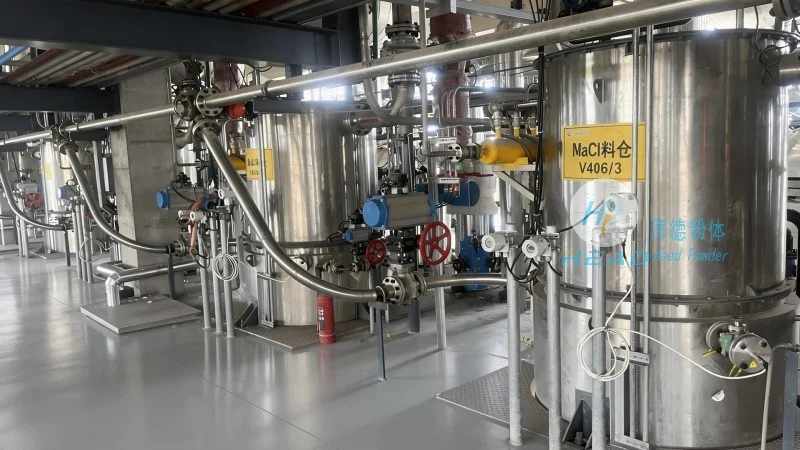
Another significant benefit is the energy efficiency of modern pneumatic conveying systems. By optimizing the air flow and using efficient components, such as high-performance fans and energy recovery devices, the system can operate with lower power consumption compared to other transport methods. This not only reduces operational costs but also aligns with sustainability goals by minimizing the environmental impact of material handling. HeadPowder's systems are designed with energy efficiency in mind, incorporating features like variable speed drives and pressure regulation to further enhance performance.
Conclusion: The Role of Design Principles in Activated Carbon Powder Pneumatic Conveying
In conclusion, activated carbon powder pneumatic conveying is a sophisticated technology that relies on well-defined design principles to achieve reliable and efficient material transport. The system's success depends on factors such as the choice of conveying type, component selection, and system integration, all of which are carefully considered by experts like those at HeadPowder Engineering Co., Ltd. Based in Shandong, China, HeadPowder has established itself as a trusted provider of customized pneumatic conveying solutions, helping industries maintain the quality and integrity of activated carbon while optimizing their operational processes. By adhering to these design principles, companies can leverage the benefits of pneumatic conveying to enhance productivity, reduce costs, and improve overall process efficiency.