

What is a Continuous Metering Feeding Powder Pneumatic Conveying System? What are its Design Princip
Continuous metering feeding powder pneumatic conveying systems represent a sophisticated technology used in material handling and processing industries. These systems are engineered to transport bulk powders and granular materials with precision and efficiency, ensuring consistent flow rates and reliable material transfer. As a key component in many industrial applications, understanding the functionality and design principles of such systems is crucial for optimizing operational performance and maintaining product quality.

Overview of Continuous Metering Feeding Systems
A continuous metering feeding system is designed to deliver a precise and controlled quantity of powder or granular material over time. This is achieved through specialized feeding mechanisms that regulate the flow rate, often using variables like pressure, speed, or volume to maintain consistency. The system typically integrates with pneumatic conveying components, allowing for the transport of materials from a storage silo or hopper to processing equipment, such as mixers, reactors, or packaging units.
The Role of Pneumatic Conveying in Material Handling
Pneumatic conveying utilizes air or other gases to move bulk materials through a pipeline. This method offers several advantages over traditional mechanical conveying, including the ability to handle fine powders without the risk of clogging or degradation. The system can operate in both positive and negative pressure modes, depending on the application requirements. Continuous metering feeding systems often employ these pneumatic principles to ensure a steady and controlled feed to downstream processes.
Key Design Principles of the System
The design of a continuous metering feeding powder pneumatic conveying system involves several critical principles to ensure optimal performance. These include:
1. Flow Rate Control: The system must be capable of delivering a consistent flow rate, which is essential for processes that require precise material input. This is typically achieved through adjustable feeding mechanisms, such as rotary valves, screw feeders, or vibratory feeders, that can be calibrated to match the desired output.
2. Pneumatic Conveying Efficiency: The design must consider the pressure drop and energy consumption associated with transporting powders through the pipeline. Proper selection of pipeline diameter, material, and air velocity is crucial to minimize energy costs and prevent material degradation or blockages.

3. Material Compatibility: The system components, including the feeding device, pipeline, and discharge equipment, must be compatible with the specific powder being handled. This includes considerations of particle size, moisture content, and chemical properties to avoid corrosion, abrasion, or material buildup.
4. System Integration: The continuous metering feeding system is often integrated with other process equipment, such as storage silos, mixers, or reactors. The design must ensure seamless communication and coordination between these components to maintain overall process efficiency and product quality.
Components of a Typical Continuous Metering Feeding Powder Pneumatic Conveying System
A standard system consists of several key components, each playing a vital role in the overall operation:
1. Storage and Hopper: The material is stored in a silo or hopper, which provides a consistent supply to the feeding mechanism. The design of the hopper, including its shape and material, is critical to prevent material bridging or segregation.
2. Metering Feeder: This is the core component responsible for controlling the flow rate. Common types include rotary valves, screw feeders, and vibratory feeders, each offering different advantages in terms of flow control and material handling.
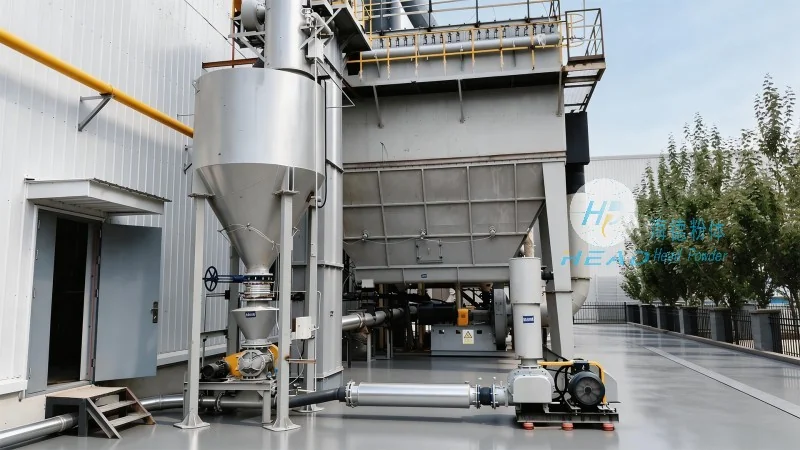
3. Pneumatic Conveying Pipeline: The pipeline transports the material using air or gas. The diameter, length, and material of the pipeline are carefully selected to ensure efficient transport and minimize pressure drop.
4. Air Supply and Control: A blower or compressor provides the necessary air pressure to move the material through the pipeline. The air flow rate and pressure are controlled to maintain the desired conveying velocity.
5. Discharge and Dosing Equipment: The material is discharged into the next process unit, such as a mixer or reactor. This component may include a metering valve or a dosing pump to ensure precise delivery.
Applications and Benefits
Continuous metering feeding powder pneumatic conveying systems are widely used in various industries, including pharmaceuticals, food processing, chemicals, and minerals. The primary benefits of these systems include:
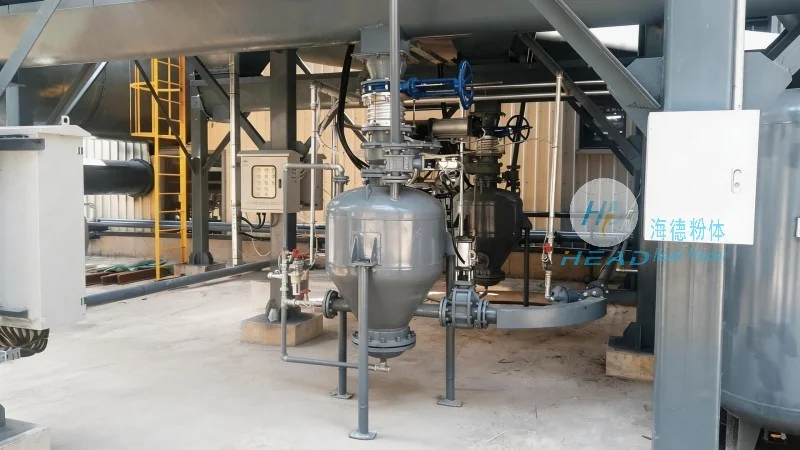
1. High Precision and Consistency: The ability to deliver a precise flow rate ensures that downstream processes receive the exact amount of material needed, reducing waste and improving product quality.
2. Efficient Material Handling: Pneumatic conveying allows for the transport of materials over long distances without the need for mechanical components, reducing maintenance and operational costs.
3. Flexibility and Scalability: The system can be easily scaled to accommodate different production volumes and can be adapted to handle various types of powders.
4. Reduced Downtime: The design minimizes the risk of material blockages or clogging, ensuring continuous operation and reducing downtime for maintenance.
Conclusion
Continuous metering feeding powder pneumatic conveying systems are essential tools in modern industrial processes, offering a reliable and efficient method for handling bulk materials. The design principles, including precise flow control, efficient pneumatic conveying, and material compatibility, are critical to the system's success. By understanding these principles and selecting the appropriate components, industries can optimize their material handling operations and achieve higher productivity and product quality.