

What is a cement admixture powder pneumatic conveying system? What are its design principles?
For industrial applications involving the transport of cement admixtures, a specialized system known as a pneumatic conveying system is often employed. This technology is crucial for efficiently moving dry powders like cement additives from one location to another within a production facility. The system utilizes air pressure to move the material, offering advantages such as reduced dust generation, improved safety, and enhanced process control. In this article, we will explore what a cement admixture powder pneumatic conveying system is and delve into its fundamental design principles.

Understanding the Components of a Pneumatic Conveying System
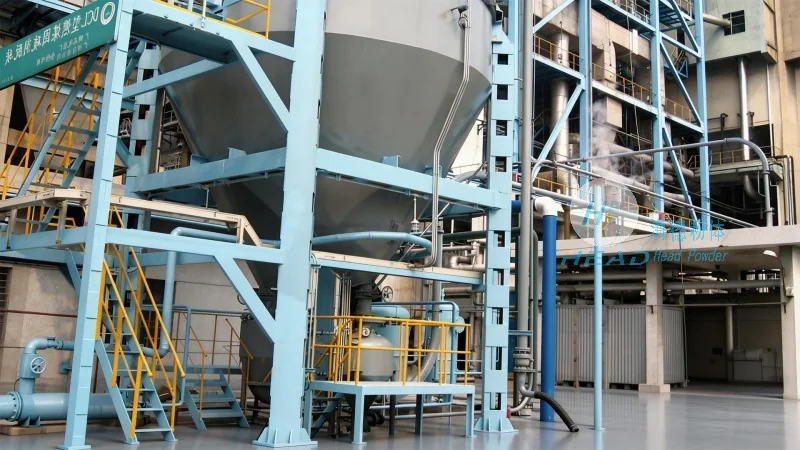
A typical cement admixture powder pneumatic conveying system consists of several key components that work together to ensure efficient material transport. These components include a hopper or feeder for storing and feeding the powder, a conveying line (often a pipe) through which the material is transported, a blower or compressor to generate the air pressure, and a receiver or discharge point where the material is deposited. The hopper is designed to maintain a consistent flow of powder, preventing blockages and ensuring a steady supply to the conveying line. The feeder, such as a rotary valve or screw feeder, regulates the amount of material entering the system, controlling the flow rate. The conveying line is usually made of stainless steel or other corrosion-resistant materials to handle the abrasive nature of cement powders. The blower or compressor provides the necessary air pressure, which can be either positive (pressure) or negative (vacuum) depending on the system design. The receiver is where the conveyed material is collected, often equipped with a dust collection system to maintain a clean and safe environment.

Design Principles for Efficient Material Transport
The design of a cement admixture powder pneumatic conveying system is based on several key principles to ensure optimal performance and reliability. One of the primary principles is maintaining a consistent air velocity within the conveying line. The air velocity must be sufficient to prevent the powder from settling or clogging the pipe, but not so high that it causes excessive wear on the system components or leads to high energy consumption. The system design typically involves calculating the required air velocity based on the particle size, density, and flow rate of the cement admixture. Another important principle is the use of appropriate equipment for each stage of the process. For example, the hopper and feeder must be sized to handle the specific characteristics of the powder, such as its bulk density and flowability. The conveying line diameter and length are also critical factors, as they affect the pressure drop and energy requirements of the system. Proper sealing and maintenance of all components are essential to prevent leaks and ensure the system operates efficiently over time. Additionally, the system design considers factors such as space constraints, environmental regulations, and safety requirements to ensure compliance with industry standards.
Advantages of Pneumatic Conveying for Cement Admixtures
Compared to traditional methods like belt conveyors or bucket elevators, pneumatic conveying systems offer several advantages for transporting cement admixtures. One of the main benefits is the reduction of dust generation, which is a significant concern in cement production due to the fine nature of the powder. Pneumatic systems enclose the material in a sealed pipe, minimizing exposure to the environment and improving workplace safety. Another advantage is the ability to transport materials over long distances with minimal maintenance. The system can be designed to handle vertical and horizontal transport, making it suitable for complex production layouts. Additionally, pneumatic conveying allows for precise control over the flow rate and pressure, enabling better process control and reducing the risk of material loss or contamination. The system is also relatively compact, requiring less floor space compared to other bulk material handling solutions. Overall, the use of a pneumatic conveying system for cement admixtures enhances operational efficiency, improves safety, and reduces operational costs.
Applications and Industries Using Pneumatic Conveying Systems
Cement admixture powder pneumatic conveying systems are widely used in various industries that handle dry powders, particularly in the construction and cement manufacturing sectors. These systems are commonly employed in the production of concrete additives, such as fly ash, slag, and silica fume, which are used to improve the properties of concrete. The system is also used in the transportation of other industrial powders, including chemicals, pharmaceuticals, and food products. In the cement industry, the system is crucial for moving raw materials and additives from storage silos to the mixing plant, ensuring a consistent supply of materials for the production process. The system is also used in research and development facilities to transport experimental powders and in quality control labs to handle sample materials. The versatility of the pneumatic conveying system makes it suitable for a wide range of applications, from small-scale laboratory use to large-scale industrial production.

Conclusion and Key Takeaways
In conclusion, a cement admixture powder pneumatic conveying system is a specialized technology designed to efficiently transport dry powders like cement additives using air pressure. The system consists of several key components, including a hopper, feeder, conveying line, blower, and receiver, all working together to ensure reliable material transport. The design principles focus on maintaining consistent air velocity, using appropriate equipment for each stage, and ensuring proper sealing and maintenance. The advantages of pneumatic conveying include reduced dust generation, improved safety, and enhanced process control. The system is widely used in the cement and construction industries, as well as other sectors that handle dry powders. By understanding the components and design principles of a pneumatic conveying system, industries can optimize their material handling processes, improve efficiency, and ensure compliance with safety and environmental regulations.