

What is a Lithium-Ion Battery Anode Material Powder Pneumatic Conveying System? And What Are Its Des
Lithium-ion battery production involves handling anode materials in powder form, which requires efficient and reliable material transport solutions. The pneumatic conveying system for anode materials is a critical component in the manufacturing process, ensuring safe and effective movement of these powders from one stage to another. This article explores the concept of such a system and its underlying design principles, highlighting the importance of specialized equipment in the battery manufacturing industry.
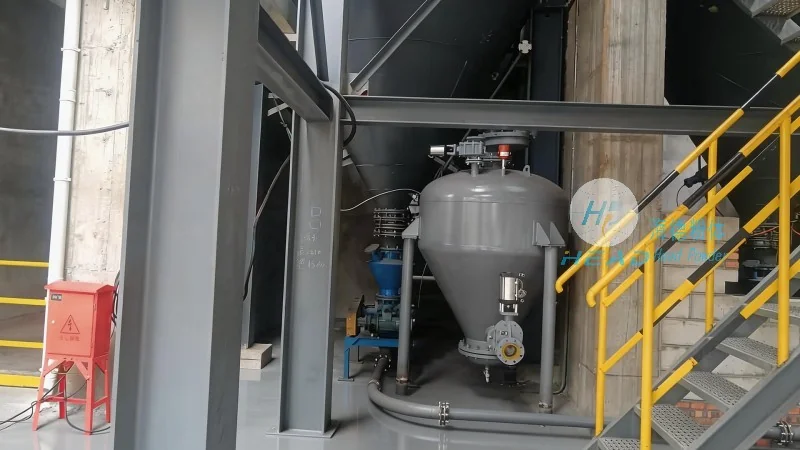
Understanding Pneumatic Conveying for Anode Materials
In the context of lithium-ion battery production, anode materials like graphite or silicon-based powders need to be transported from storage, processing, and mixing stages to the cell formation or coating processes. Traditional methods such as manual handling or mechanical conveyors may not be suitable due to the nature of these powders—fine particles that are prone to dust, static, and potential health hazards. Pneumatic conveying offers a solution by using air pressure to transport the powder through a pipeline system, minimizing contamination and ensuring consistent flow rates.
Key Components of a Pneumatic Conveying System
The pneumatic conveying system for anode materials typically consists of several key components that work in tandem to achieve efficient material transport. These include a hopper or feeder for material storage and discharge, a blower or compressor to generate the air pressure, a pipeline network to guide the material flow, and a receiver or discharge unit where the material is collected. Each component plays a crucial role in maintaining the system's performance and ensuring the quality of the transported anode material.

Design Principles for Optimal Performance
The design of a pneumatic conveying system for anode materials must consider several factors to ensure optimal performance. First, the system must handle the specific properties of the anode powder, such as particle size, density, and moisture content. This influences the selection of the blower type (positive or negative pressure) and the pipeline diameter. Second, the system must minimize material degradation and dust generation. This is achieved through the use of smooth, corrosion-resistant materials for the pipeline and proper sealing of components to prevent leaks. Third, the system must ensure consistent flow rates and pressure stability, which is critical for maintaining the quality of the final battery product. Engineers from Shandong HeadPowder Engineering Co., Ltd. specialize in designing systems that meet these requirements, leveraging years of experience in the powder handling industry.
Applications in Lithium-Ion Battery Manufacturing
The pneumatic conveying system is widely used in various stages of lithium-ion battery production. For example, it can transport anode powders from raw material storage to mixing equipment, where they are combined with binders and conductive agents. It can also transport the mixed slurry to the coating or electrode formation machines, ensuring a uniform and consistent feed rate. In each application, the system's design must be tailored to the specific process requirements, such as the required flow rate, the distance of transport, and the environmental conditions of the manufacturing facility.

Advantages of Pneumatic Conveying Systems
Compared to other material transport methods, pneumatic conveying offers several advantages for handling anode materials. One of the primary benefits is the ability to transport powders in a closed system, which reduces dust exposure and environmental contamination. This is particularly important in battery manufacturing, where safety and regulatory compliance are paramount. Another advantage is the flexibility of the system, as it can be easily integrated with existing production lines and adjusted to accommodate changes in production volume or material specifications. Additionally, pneumatic conveying systems can handle a wide range of particle sizes and densities, making them suitable for various anode materials used in lithium-ion batteries.
Conclusion
Lithium-ion battery anode material powder pneumatic conveying systems are essential for efficient and safe material transport in the battery manufacturing process. The design principles behind these systems focus on minimizing material degradation, ensuring consistent flow rates, and maintaining a closed, dust-free environment. Companies like Shandong HeadPowder Engineering Co., Ltd. play a vital role in developing and implementing these systems, providing customized solutions that meet the specific needs of battery manufacturers. By understanding the key components and design considerations, manufacturers can optimize their production processes and improve the overall quality of their lithium-ion batteries.