

What is a Loess Powder Pneumatic Conveying Equipment? And What Are Its Design Principles?
Loess powder pneumatic conveying equipment is a specialized system designed to transport fine powders, such as loess, through a pipeline using air pressure. This technology is widely used in industries that handle dry, dusty materials, offering an efficient and flexible solution for material transfer. The equipment is engineered to ensure minimal dust emission, maintain material integrity, and provide reliable operation under various conditions.

Introduction to Loess Powder Pneumatic Conveying Equipment
Loess, a type of fine sedimentary soil, is commonly found in arid and semi-arid regions. Its unique particle size and properties make it challenging to transport using traditional methods like belt conveyors or trucks. Pneumatic conveying systems address these challenges by utilizing compressed air to move the powder through a sealed pipeline. This approach not only reduces the risk of dust contamination but also enables the transport of materials over longer distances with minimal loss.
Design Principles of Loess Powder Pneumatic Conveying Equipment
The design of loess powder pneumatic conveying equipment is based on several key principles to ensure optimal performance and efficiency. The system typically consists of a blower or compressor, a hopper for material storage, a pipeline network, and a receiver for the discharged material. The choice of air velocity and pressure is critical, as it directly impacts the conveying capacity and energy consumption. Engineers must consider factors such as particle size distribution, moisture content, and material density to select the appropriate air velocity, which is usually between 20 to 30 meters per second for fine powders like loess.
Key Components and Their Functions
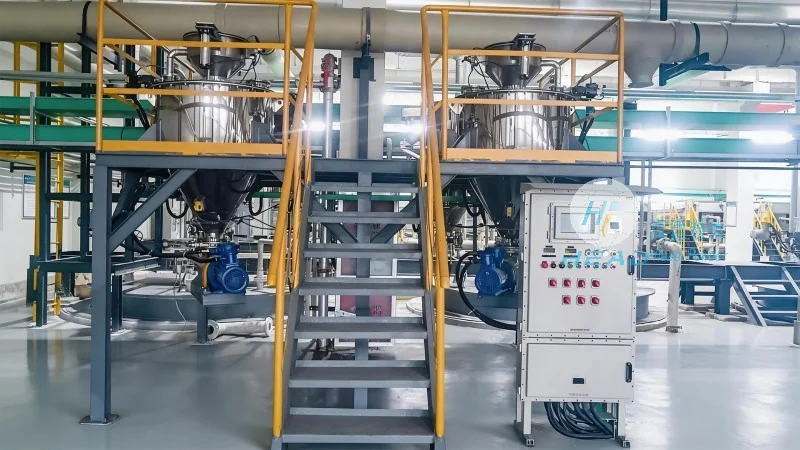
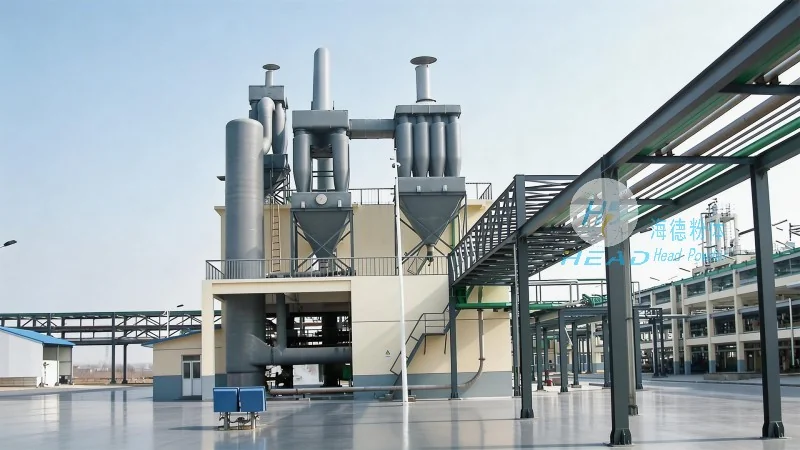
The core components of a loess powder pneumatic conveying system include the air supply unit, material feeding system, conveying pipeline, and material discharge unit. The air supply unit, often a centrifugal blower or a positive displacement blower, generates the necessary air pressure to move the powder. The material feeding system, typically a hopper with a rotary valve or a star feeder, ensures a consistent and controlled flow of loess into the pipeline. The conveying pipeline is made of materials resistant to abrasion and corrosion, such as stainless steel or plastic, to withstand the abrasive nature of loess particles. The material discharge unit, which may include a cyclone separator or a filter, separates the conveyed powder from the air and collects it in a receiver.
Advantages of Using Loess Powder Pneumatic Conveying Equipment
Loess powder pneumatic conveying equipment offers several advantages over traditional material handling methods. First, it provides a dust-free environment, which is crucial for maintaining workplace safety and complying with environmental regulations. Second, the system can transport materials over long distances without the need for intermediate storage or transfer points, reducing operational costs and improving efficiency. Third, the equipment is flexible and can be easily integrated into existing production lines, allowing for adjustments to production volumes or material types. Additionally, the sealed pipeline design minimizes material loss and contamination, preserving the quality of the loess powder for downstream processes.
Applications in Industrial Settings
Loess powder pneumatic conveying equipment is widely used in various industrial applications, including construction material processing, mining, and chemical manufacturing. In construction, it is used to transport loess for brick-making or cement production, where the material's fine particles are essential for achieving the desired product quality. In mining operations, the equipment is employed to transport loess from storage facilities to processing plants, ensuring a continuous supply of raw materials. In chemical industries, it may be used to convey loess-based additives or fillers in the production of coatings or plastics. The versatility of the system makes it suitable for a wide range of applications where fine powder handling is required.

Operational Considerations and Maintenance
Proper operation and maintenance of loess powder pneumatic conveying equipment are essential to ensure long-term performance and reliability. Regular maintenance includes checking the air supply unit for wear and tear, cleaning the pipeline and cyclone separator to prevent clogging, and inspecting the material feeding system for blockages. It is also important to monitor the air pressure and velocity to ensure they remain within the optimal range for conveying. Proper maintenance not only extends the lifespan of the equipment but also reduces downtime and operational costs. Additionally, training operators on the proper use and safety procedures of the system is crucial to prevent accidents and ensure compliance with safety regulations.
Conclusion
Loess powder pneumatic conveying equipment is a highly effective and efficient solution for transporting fine powders like loess. Its design principles, based on air pressure and sealed pipelines, provide a reliable and flexible method for material handling. The equipment offers numerous advantages, including dust-free operation, long-distance transport, and material integrity preservation. By understanding the key components and operational considerations, industries can effectively utilize this technology to improve their production processes and meet their material handling needs. As a leading provider of such equipment, Shandong HeadPowder Engineering Co., Ltd. specializes in designing and manufacturing customized pneumatic conveying systems tailored to the specific requirements of loess powder handling applications.