

What is an Intelligent Tonne Bag Loading Station for Material Pneumatic Conveying? And What Are Its
For industrial facilities dealing with bulk material handling, the efficient and reliable transfer of materials from storage to processing equipment is crucial. An intelligent tonne bag loading station, combined with a pneumatic conveying system, offers a sophisticated solution to this challenge. This article explores the functionality of such a system and delves into its core design principles, highlighting how it enhances operational efficiency and safety in material handling processes. Developed by Shandong HeadPowder Engineering Co., Ltd., a leading provider of bulk material handling solutions, this technology represents the next generation of industrial material transfer systems.
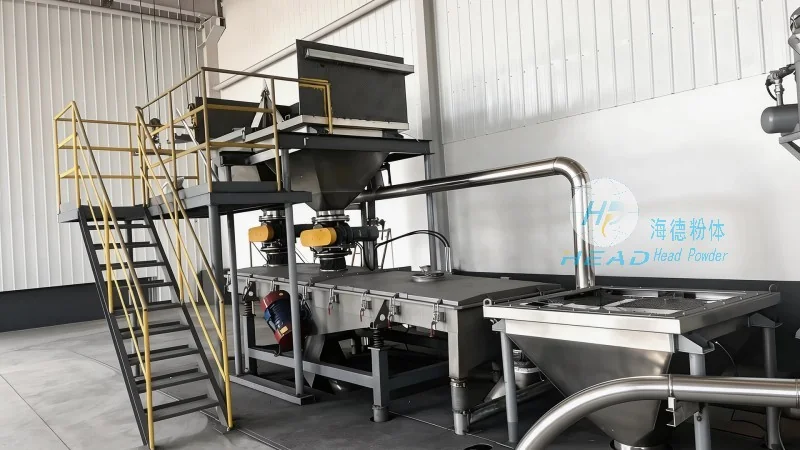
Understanding the Core Components of a Tonne Bag Loading Station
A tonne bag loading station is designed to handle large bulk bags, typically used for transporting and storing materials like chemicals, minerals, and food products. The system integrates several key components that work in tandem to ensure smooth material transfer. These include a loading hopper, a pneumatic conveying line, a dust collection system, and an automated control unit. Each component plays a vital role in the overall operation, from receiving the bulk bag to delivering the material to the processing equipment. The design of the loading hopper, for instance, is engineered to accommodate various bag sizes and shapes, ensuring secure and stable placement during the transfer process.

Pneumatic Conveying: How It Works in Material Handling
Pneumatic conveying is a method of transporting bulk materials using a pressurized air or vacuum system. In the context of a tonne bag loading station, this technology allows for the safe and efficient transfer of materials from the bag to the processing line without the need for manual handling. The system typically uses a combination of positive and negative pressure to move material through a pipeline. The design of the conveying line, including the size of the pipes, the type of air movers (like rotary lobe blowers or venturi systems), and the placement of in-line filters and cyclones, all contribute to the system's effectiveness in preventing material degradation and ensuring consistent flow rates. The air movers are selected based on the material's properties, such as particle size, density, and moisture content, to achieve optimal conveying performance.

Design Principles for an Intelligent Tonne Bag Loading Station
The design of an intelligent tonne bag loading station is guided by several key principles aimed at optimizing performance, safety, and maintenance. First, the system must be capable of handling a wide range of material types and bag sizes, ensuring versatility. Second, it should incorporate advanced automation features, such as sensors and control systems, to monitor and adjust the conveying process in real-time. This automation helps maintain consistent material flow rates and prevents issues like blockages or overfilling. Third, the design prioritizes safety, with features like dust suppression systems and emergency shut-off valves to protect both personnel and equipment. Additionally, the station is engineered for easy maintenance, with accessible components and clear operational indicators to minimize downtime. The integration of IoT (Internet of Things) technology in modern designs further enhances the system's intelligence, allowing for remote monitoring and predictive maintenance.
Benefits of Implementing an Intelligent Tonne Bag Loading Station
Adopting an intelligent tonne bag loading station with a pneumatic conveying system offers numerous benefits for industrial operations. These include increased productivity through automated material handling, reduced labor costs by minimizing manual handling tasks, and improved safety by eliminating the need for workers to handle heavy or dusty materials. The system also enhances material quality by preventing contamination and degradation during transfer. Furthermore, the intelligent features allow for better process control and data collection, enabling operators to optimize the conveying process and identify potential issues before they become major problems. As a result, companies like Shandong HeadPowder Engineering Co., Ltd. are helping their clients achieve higher efficiency and lower operational costs in their material handling processes. The company's expertise in customizing these systems to meet specific client needs ensures that each installation is tailored to the unique requirements of the facility.

Conclusion: The Role of Intelligent Systems in Modern Material Handling
As industrial processes evolve, the demand for efficient and reliable material handling solutions continues to grow. An intelligent tonne bag loading station, integrated with a pneumatic conveying system, represents a cutting-edge approach to bulk material transfer. By combining advanced automation, robust design, and safety features, this system addresses the challenges of traditional material handling methods while improving overall operational performance. For companies seeking to enhance their material handling capabilities, investing in such a system can lead to significant improvements in productivity, safety, and cost-effectiveness. Shandong HeadPowder Engineering Co., Ltd. remains at the forefront of developing and implementing these technologies, providing industrial facilities with the tools they need to stay competitive in today's market.