

What is Silicate Material Pneumatic Conveying? And What Are the Design Principles?
Silicate material pneumatic conveying is a crucial industrial process used for transporting various types of silicate-based materials, such as cement, glass powders, and ceramic raw materials, through a pipeline using air or other gas as the conveying medium. This method offers significant advantages over traditional mechanical conveying systems, including reduced equipment wear, lower maintenance costs, and the ability to handle materials that are difficult to transport via conventional means. Understanding the fundamentals of this technology and its design principles is essential for optimizing material handling operations in industries like construction, manufacturing, and chemical processing.

Introduction to Silicate Material Pneumatic Conveying
Silicate materials, which include compounds like silicon dioxide (SiO₂) and other related minerals, are widely used in numerous industrial applications. These materials often present unique challenges when it comes to transportation due to their fine particle size, abrasive nature, and tendency to agglomerate. Pneumatic conveying provides an effective solution by utilizing air to move these materials through a sealed system, minimizing dust emissions and ensuring a clean, efficient transfer process. The process typically involves a source of material, a conveying line, and a receiver, with the air flow controlling the movement of the particles.
Key Components of a Pneumatic Conveying System
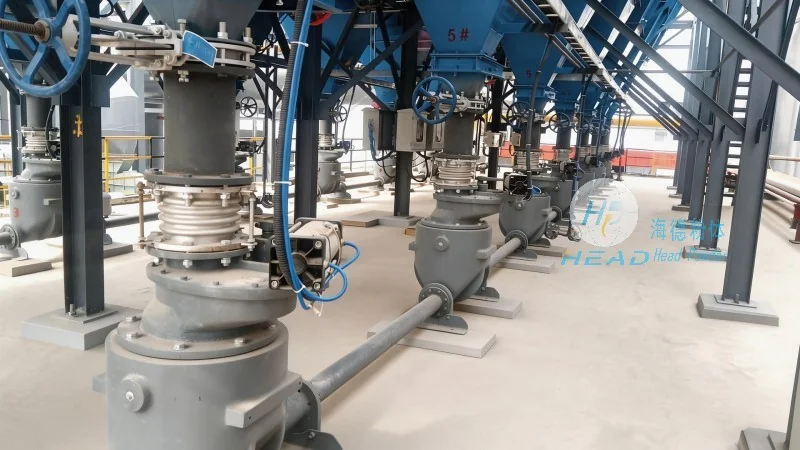
At the core of any silicate material pneumatic conveying system are several key components that work in tandem to ensure efficient operation. The primary components include a material feed hopper, which holds the silicate material and controls the flow rate; a blower or compressor that generates the necessary air pressure and flow; a conveying line, usually made of stainless steel or other corrosion-resistant materials to handle the abrasive nature of silicate particles; and a receiver or discharge hopper where the material is collected. Additional components may include filters, cyclones, and dust collectors to manage air quality and prevent material loss.
Design Principles for Silicate Material Pneumatic Conveying
The design of a pneumatic conveying system for silicate materials requires careful consideration of several factors to ensure optimal performance and longevity. One of the most critical design principles is the selection of the appropriate conveying velocity. The velocity must be high enough to keep the particles suspended in the air stream but not so high as to cause excessive wear on the system components or increase energy consumption. The system's design also considers the particle size distribution, as larger or more irregularly shaped particles may require higher velocities or different system configurations. Additionally, the system must be designed to handle the specific properties of the silicate material, such as its density, flowability, and potential for caking or agglomeration. Proper system sizing, including the diameter and length of the conveying line, is essential to maintain the required air velocity and pressure throughout the process.
Advantages of Silicate Material Pneumatic Conveying
Implementing a pneumatic conveying system for silicate materials offers numerous benefits that make it a preferred choice in many industrial settings. One of the main advantages is the reduction in dust generation compared to mechanical conveying methods, which helps improve workplace safety and environmental compliance. The sealed system also prevents material contamination, which is particularly important for food-grade or pharmaceutical applications where purity is critical. Furthermore, pneumatic conveying systems can handle materials with high moisture content or those that are prone to caking, as the air flow helps maintain material flowability. Another key advantage is the flexibility of the system, which allows for easy integration with existing production lines and the ability to transport materials over long distances without the need for multiple transfer points.

Applications in the Industry
Silicate material pneumatic conveying is widely used across various industries that rely on these materials. In the construction industry, for example, it is commonly used to transport cement, fly ash, and other additives to concrete mixing plants. The manufacturing of glass and ceramics also heavily relies on pneumatic conveying to move raw materials like sand, soda ash, and feldspar from storage to processing equipment. The chemical industry uses this technology to handle various silicate-based powders, such as silica gel and calcium silicate, in production processes. Additionally, in the pharmaceutical and food industries, where material purity is paramount, pneumatic conveying systems are used to transport silicate-based excipients or additives with minimal risk of contamination.

Challenges and Mitigation Strategies
While pneumatic conveying offers many advantages, it also presents certain challenges that must be addressed during system design and operation. One of the primary challenges is the potential for system blockages, especially with cohesive or agglomerating silicate materials. To mitigate this, systems often include features such as vibration feeders, agitators, or pulse jets to break up clumps and maintain consistent material flow. Another challenge is the wear and corrosion of system components due to the abrasive nature of silicate particles. Using high-quality, corrosion-resistant materials like stainless steel or special alloys for the conveying line and components can help extend the system's lifespan. Additionally, maintaining proper air filtration and cleaning is crucial to prevent dust buildup and ensure the system operates efficiently over time.
Conclusion and Company Overview
Silicate material pneumatic conveying is a sophisticated and efficient method for transporting silicate-based materials, offering significant advantages over traditional mechanical systems. The design principles and components of such systems are tailored to the unique properties of silicate materials, ensuring optimal performance and reliability. As a leading provider in this field, Shandong HeadPowder Engineering Co., Ltd., commonly known as HeadPowder, specializes in the design, manufacturing, and installation of pneumatic conveying systems tailored to the specific needs of various industries. With a focus on quality, innovation, and customer satisfaction, HeadPowder delivers solutions that enhance material handling efficiency, reduce operational costs, and improve overall productivity. Based in Shandong, China, HeadPowder leverages its expertise and experience to help clients achieve their material transport goals while adhering to the highest standards of safety and environmental compliance.