

What is the Pneumatic Conveying of Potassium Carbonate Fertilizer Material? What Are the Design Prin
When it comes to the efficient and reliable transport of potassium carbonate fertilizer material, pneumatic conveying systems have emerged as a preferred solution in the industry. This method involves using air to move bulk materials through a pipeline, offering advantages such as reduced equipment wear, improved safety, and the ability to handle materials in a dust-free environment. Understanding the fundamentals of this technology, particularly the design principles behind it, is crucial for optimizing operations and ensuring long-term performance.
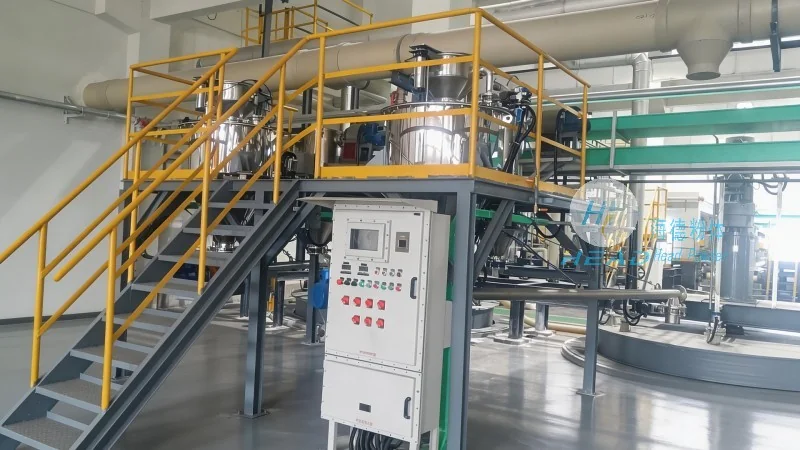
Understanding Pneumatic Conveying Systems for Potassium Carbonate Fertilizer
Potassium carbonate, a key component in modern fertilizers, requires specialized handling due to its granular or powder form. Traditional methods like belt conveyors or bucket elevators may not be suitable for materials that are prone to clumping or have specific flow characteristics. Pneumatic conveying addresses these challenges by utilizing a pressurized or vacuum system to transport the material. The system typically consists of a hopper, a conveying line, and a receiver, with air being introduced to create a flow of material through the pipeline.
The Core Design Principles of Pneumatic Conveying for Potassium Carbonate
The effectiveness of a pneumatic conveying system for potassium carbonate fertilizer hinges on several critical design principles. First, the air velocity must be carefully controlled to ensure that the material is conveyed without causing excessive wear on the system components. This involves selecting the appropriate air pressure and flow rate based on the material's density, particle size, and moisture content. Second, the system's layout, including the length and diameter of the conveying line, must be optimized to minimize pressure drop and energy consumption. Properly sized elbows, bends, and other fittings are essential to maintain consistent air flow and prevent material buildup or blockages.

Key Components and Their Role in the System
Several key components are integral to the successful operation of a pneumatic conveying system for potassium carbonate fertilizer. The hopper serves as the storage and feeding unit, ensuring a consistent flow of material into the system. The air compressor or vacuum pump provides the necessary pressure or suction to move the material through the pipeline. The conveying line, often made of stainless steel or other corrosion-resistant materials, is designed to withstand the abrasive nature of the fertilizer particles. The receiver or discharge hopper collects the material at the end of the conveying line, allowing for easy unloading and further processing.

Advantages of Pneumatic Conveying for Potassium Carbonate Fertilizer
Implementing a pneumatic conveying system for potassium carbonate fertilizer offers numerous benefits. One of the primary advantages is the ability to handle materials in a dust-free environment, which enhances workplace safety and reduces the risk of contamination. Additionally, the system is compact and can be integrated into existing production lines, minimizing space requirements. The reduced maintenance costs compared to traditional mechanical conveyors also contribute to long-term operational efficiency. Furthermore, the system's flexibility allows for easy adjustment of conveying rates, making it suitable for varying production demands.

Design Considerations for Optimal Performance
Designing an effective pneumatic conveying system for potassium carbonate fertilizer requires careful consideration of several factors. The material's properties, such as its bulk density, flowability, and moisture content, must be thoroughly analyzed to determine the appropriate air velocity and pressure. The system's layout should be optimized to minimize the number of bends and fittings, as each additional component can increase pressure drop and energy consumption. Proper sealing of the conveying line is also crucial to prevent air leakage and maintain the system's efficiency. Regular maintenance, including cleaning and inspection of components, is essential to ensure the system operates at peak performance.
Conclusion: The Importance of Proper Design in Pneumatic Conveying
In conclusion, the pneumatic conveying of potassium carbonate fertilizer material is a sophisticated process that relies on precise design principles to achieve optimal performance. By understanding the key components, design considerations, and operational advantages, manufacturers can select and implement a system that meets their specific needs. The expertise of companies like Shandong HeadPowder Engineering Co., Ltd., with its roots in China, has been instrumental in developing and deploying these systems, ensuring reliable and efficient transport of potassium carbonate fertilizer. As the demand for high-quality fertilizers continues to grow, the importance of robust pneumatic conveying systems will only increase, making them a critical component in modern agricultural operations.