

What is Cement Aggregate Material Pneumatic Conveying? And What Are Its Design Principles?
For industrial operations involving the transport of cement aggregates and other bulk materials, pneumatic conveying systems offer an efficient and reliable solution. This method utilizes air to move materials through a pipeline, eliminating the need for mechanical components like belts or buckets in traditional systems. The core of this technology lies in the design principles that ensure optimal performance, safety, and efficiency in material handling.

Key Components and Working Principle of Pneumatic Conveying Systems
A typical pneumatic conveying system for cement aggregates consists of several key components, each playing a crucial role in the overall operation. The system generally includes a material feed hopper, a conveying pipeline, a fan or blower to generate the air flow, and a discharge point where the material is released. The working principle involves feeding the cement aggregate into the hopper, which then releases the material into the pipeline as the air is introduced. The air flow, often under pressure or suction, propels the material along the pipeline to the desired destination. This process can be categorized into different types based on the air flow direction and pressure conditions, such as pressure, suction, or mixed systems, each tailored to specific material characteristics and operational requirements.

Design Principles for Optimal Performance in Cement Aggregate Conveying
The design of a pneumatic conveying system for cement aggregates is governed by several critical principles to ensure efficient and safe operation. First, the selection of the appropriate conveying type—whether pressure, suction, or a combination—depends on factors like the material's density, particle size, and moisture content. Pressure systems are commonly used for long-distance or high-capacity transport, as they can handle larger particle sizes and higher material loads. Suction systems, on the other hand, are suitable for short distances or when the material needs to be collected from multiple sources. The design also considers the air velocity and pressure drop along the pipeline, which directly impact the material's flow and the system's energy consumption. Engineers must calculate the necessary air volume and pressure to maintain a stable flow without causing excessive wear on the system components or material degradation. Additionally, the pipeline layout, including bends, expansions, and contractions, is carefully designed to minimize pressure losses and prevent material deposition or blockages.
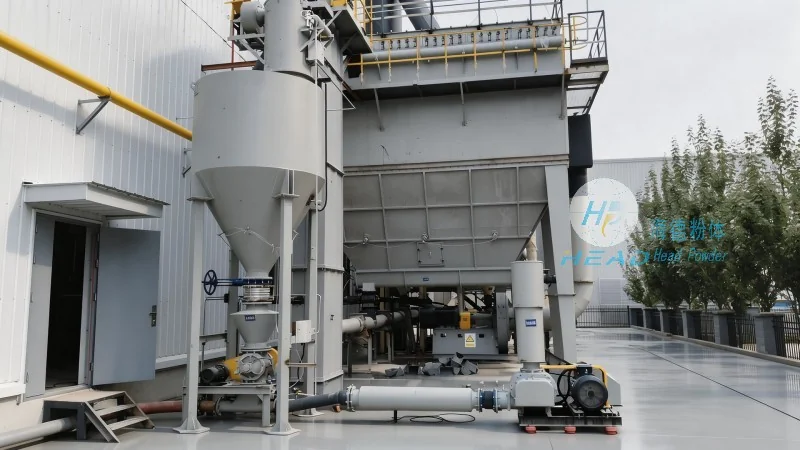
HeadPowder's Expertise in Cement Aggregate Pneumatic Conveying Solutions
Shandong HeadPowder Engineering Co., Ltd., a leading provider of industrial material handling solutions, specializes in designing and manufacturing advanced pneumatic conveying systems tailored to the unique needs of cement and aggregate industries. With years of experience and a deep understanding of material properties, HeadPowder engineers develop customized solutions that enhance operational efficiency and reduce maintenance costs. The company's approach involves thorough analysis of the client's specific requirements, including material characteristics, transport distances, and operational constraints, to design a system that meets both performance and safety standards. HeadPowder's systems are equipped with high-quality components, such as robust fans, durable pipelines, and advanced control systems, ensuring reliable and long-lasting operation. The company also provides comprehensive support, including installation, commissioning, and after-sales service, to ensure clients achieve optimal results from their pneumatic conveying systems.
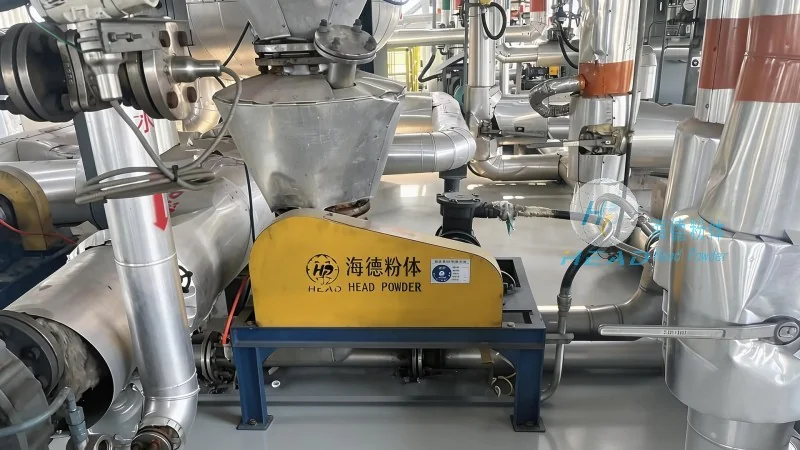
Benefits of Implementing Pneumatic Conveying for Cement Aggregates
Adopting pneumatic conveying systems for cement aggregates offers numerous benefits that contribute to improved operational efficiency and cost savings. One of the primary advantages is the elimination of mechanical wear and tear, as there are no moving parts in direct contact with the material, reducing maintenance requirements and extending the system's lifespan. Additionally, pneumatic systems provide a clean and dust-free environment, which is crucial for maintaining product quality and ensuring workplace safety. The ability to transport materials over long distances without the need for intermediate storage or handling points streamlines the production process and reduces operational delays. Furthermore, the flexibility of pneumatic systems allows for easy integration with existing production lines and the ability to adapt to changing operational needs. By optimizing the design based on the specific material characteristics, HeadPowder ensures that clients achieve the highest possible efficiency and reliability in their material handling operations.