

What is an Oxide Copper Material Pneumatic Conveying System? What Are Its Design Principles?
Understanding the Oxide Copper Material Pneumatic Conveying System and Its Design Principles is crucial for industries dealing with copper oxide powders. This system is a specialized solution for transporting oxide copper materials efficiently and safely, addressing the unique challenges associated with handling such powders in industrial settings.

HeadPowder, a leading engineering company based in Shandong, China, specializes in the design and implementation of advanced material handling systems. With a focus on precision and reliability, HeadPowder provides tailored solutions for various industrial applications, including the pneumatic conveying of oxide copper materials.
Pneumatic Conveying System for Oxide Copper Materials: Overview
The oxide copper material pneumatic conveying system is a technology that uses compressed air or other gas to transport solid particles, such as oxide copper powders, through a pipeline. This method offers several advantages over traditional mechanical conveying systems, including reduced material degradation, lower maintenance costs, and improved safety by eliminating the need for moving parts in the conveying line.
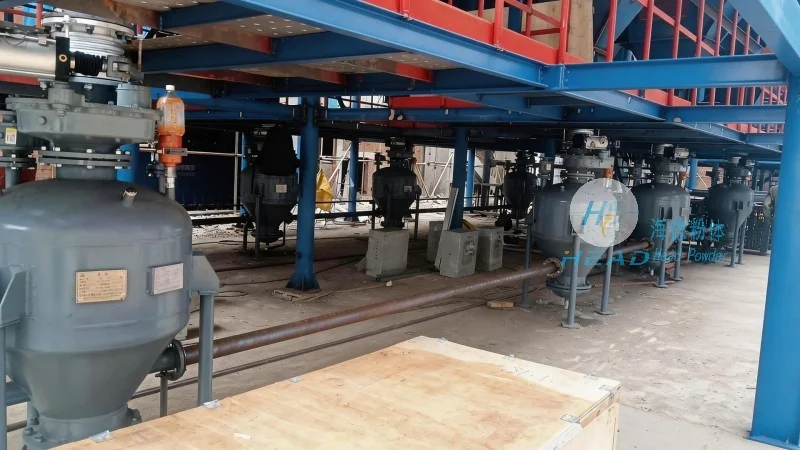
Design Principles of the Oxide Copper Pneumatic Conveying System
The design of an oxide copper material pneumatic conveying system involves several key principles to ensure optimal performance. These principles include the selection of appropriate air velocity, pipeline diameter, and material flow rate, which are critical for maintaining the material in a suspended state and preventing blockages or degradation. The system typically consists of a feeding device, a conveying pipeline, a separation unit, and a collection hopper. Each component is carefully engineered to handle the specific properties of oxide copper, such as its particle size, density, and moisture content.
Key Components and Their Functions
The pneumatic conveying system for oxide copper materials comprises several essential components, each playing a vital role in the overall operation. The feeding device, often a rotary valve or a screw feeder, ensures a consistent and controlled flow of the oxide copper material into the pipeline. The conveying pipeline, made from materials resistant to corrosion and abrasion, such as stainless steel or special alloys, transports the material under pressure. The separation unit, which may include a cyclone or a filter, separates the conveyed material from the air stream, allowing the oxide copper to be collected in a hopper. The collection hopper stores the material until it is ready for further processing or packaging.

Advantages of Using an Oxide Copper Pneumatic Conveying System
Implementing a pneumatic conveying system for oxide copper materials offers numerous benefits for industrial operations. These advantages include increased efficiency in material handling, reduced labor costs due to automated processes, and improved product quality by minimizing material handling-related damage. Additionally, the system enhances workplace safety by eliminating the need for manual handling of powders, which can pose health risks such as inhalation of fine particles. The system's flexibility also allows for easy integration with existing production lines, making it a cost-effective solution for upgrading or expanding material handling capabilities.
Design Considerations for Optimal Performance
When designing an oxide copper material pneumatic conveying system, several factors must be considered to ensure its effectiveness and longevity. These factors include the particle size distribution of the oxide copper, as larger particles may require higher air velocities to remain suspended. The moisture content of the material is another critical factor, as excessive moisture can lead to caking or blockages in the pipeline. The system's capacity and flow rate must be matched to the production requirements, ensuring that the conveying rate is sufficient to meet demand without causing excessive pressure drops or energy consumption. Furthermore, the selection of the air compressor and its pressure rating is essential, as it directly impacts the system's ability to transport the material over long distances or through complex pipeline configurations.

Maintenance and Operational Guidelines
Proper maintenance and operational guidelines are essential for maximizing the lifespan and performance of an oxide copper material pneumatic conveying system. Regular cleaning of the pipeline and separation units is necessary to prevent the accumulation of material residues, which can lead to blockages or reduced efficiency. The air compressor and other mechanical components should be inspected and serviced regularly to ensure they operate within their designed parameters. Operational guidelines, such as maintaining consistent material feed rates and monitoring air pressure and flow rates, help prevent system failures and ensure smooth operation. By adhering to these guidelines, industrial facilities can ensure the reliable and efficient handling of oxide copper materials, minimizing downtime and operational costs.
Conclusion
The oxide copper material pneumatic conveying system, designed with precision and expertise by companies like HeadPowder, represents a sophisticated solution for the efficient and safe handling of oxide copper powders. By adhering to the fundamental design principles and considering the specific properties of the material, industrial operations can achieve significant improvements in material handling efficiency, product quality, and workplace safety. The system's flexibility and adaptability make it an ideal choice for various applications, from small-scale processing to large-scale industrial production, providing a reliable and cost-effective method for transporting oxide copper materials.