

What is Pneumatic Conveying Equipment for Spices and Materials? Understanding Its Design Principles
For businesses in the food processing and material handling industries, the efficient and reliable transport of spices and other fine materials is a critical operational requirement. Pneumatic conveying equipment has emerged as a preferred solution, offering a hygienic, dust-free, and flexible method for moving these delicate products. This article explores the concept of pneumatic conveying equipment specifically designed for spices and similar materials, delving into its core design principles and how they ensure optimal performance in industrial settings.

Introduction to Pneumatic Conveying Equipment for Spices and Materials
Pneumatic conveying equipment utilizes air or gas to transport bulk materials through a system of pipes and ducts. In the context of spices and other fine powders, this technology is particularly valuable due to the sensitivity of these products to moisture, contamination, and degradation. Unlike traditional mechanical conveying methods, such as belt or screw conveyors, pneumatic systems provide a closed environment that minimizes exposure to external factors, preserving the quality and integrity of the materials being handled.
Key Components of Pneumatic Conveying Systems for Spices
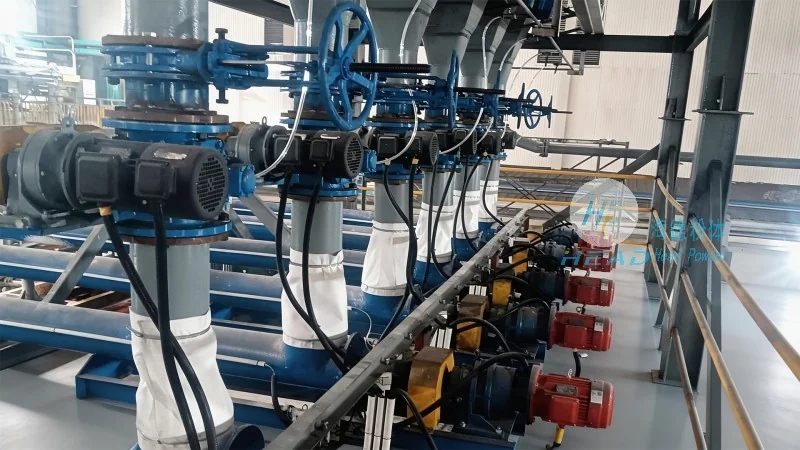
The design of a pneumatic conveying system for spices typically involves several key components that work in concert to achieve efficient material transport. These components include the material hopper or feeder, which holds the raw spices and regulates the flow into the system; the air compressor or blower, which generates the necessary air pressure to move the material; the conveying line, which consists of pipes or ducts that transport the material from the source to the destination; and the receiver or discharge hopper, where the material is collected at the end of the process.

Design Principles for Efficient Spice Conveying
The effectiveness of a pneumatic conveying system for spices is heavily influenced by its design principles, which are tailored to address the unique challenges of handling fine, abrasive, or hygroscopic materials. One of the primary design considerations is the air-to-material ratio, which determines the velocity and pressure required to move the material through the system without causing excessive wear or degradation. Engineers at Shandong HeadPowder Engineering Co., Ltd. often employ high-velocity, low-pressure systems for light, free-flowing spices, while low-velocity, high-pressure systems are used for heavier or more abrasive materials.
Another critical design principle is the selection of appropriate equipment materials, such as stainless steel or food-grade plastics, to ensure compliance with hygiene standards and prevent contamination. The system's layout, including the angle and length of the conveying lines, also plays a significant role in maintaining consistent flow and preventing material buildup or blockages. Additionally, the inclusion of features like cyclones, filters, and vacuum or pressure control valves helps optimize the system's performance and maintain product quality.

Advantages of Pneumatic Conveying for Spice Handling
Implementing pneumatic conveying equipment for spices offers numerous advantages that enhance operational efficiency and product quality. These benefits include a hygienic and dust-free environment, which is essential for food-grade products; reduced labor costs due to automated material handling; and the ability to transport materials over long distances without the need for multiple transfer points. Furthermore, pneumatic systems are highly flexible, allowing for easy integration with existing production lines and adaptation to changing production volumes.
Applications in the Food and Material Processing Industries
Pneumatic conveying equipment for spices finds widespread application in various industries, including food processing, pharmaceuticals, and chemical manufacturing. In the food industry, it is commonly used for the transport of spices, herbs, and other flavorings in factories producing seasonings, sauces, and other food products. The technology is also utilized in the pharmaceutical sector for handling fine powders, such as vitamins, supplements, and medicinal ingredients, where maintaining product purity is paramount. In chemical manufacturing, pneumatic conveying systems are employed to move powders like pigments, dyes, and other raw materials, ensuring safe and efficient processing.
Conclusion: The Role of Pneumatic Conveying in Modern Material Handling
In conclusion, pneumatic conveying equipment for spices and similar materials represents a sophisticated and effective solution for modern material handling challenges. By adhering to key design principles, such as optimizing air-to-material ratios, selecting appropriate materials, and designing efficient system layouts, manufacturers can achieve reliable, hygienic, and cost-effective transport of delicate products. As the demand for high-quality, safe food products continues to grow, the importance of robust pneumatic conveying systems in the industry will only increase, making them an indispensable component of contemporary processing operations.