

What is a Talc Powder Material Pneumatic Conveying Equipment? And What Are Its Design Principles?
Talc powder, a widely used industrial mineral, is often transported using specialized equipment designed to handle its unique physical properties. Pneumatic conveying systems have become a standard solution for moving talc powder efficiently and safely across various industrial processes. This article explores the concept of talc powder material pneumatic conveying equipment and delves into the core design principles that ensure optimal performance.
Understanding Talc Powder Material Pneumatic Conveying Equipment
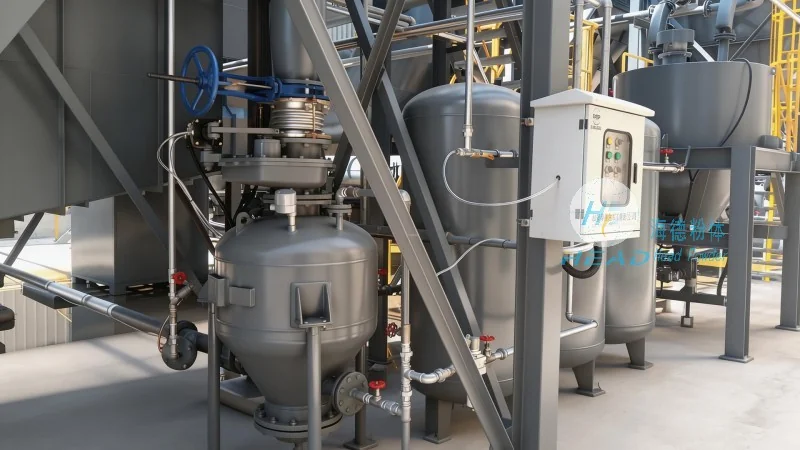
Talc powder material pneumatic conveying equipment is a system engineered to transport talc powder through a pipeline using air or other gas as the conveying medium. Unlike traditional mechanical conveyors, which rely on physical contact and friction, pneumatic systems utilize the force of moving air to lift, transport, and deposit the powder. This method is particularly advantageous for talc powder due to its fine particle size, low bulk density, and tendency to create dust or caking if not handled carefully.
Key Components of the Pneumatic Conveying System
The design of a talc powder pneumatic conveying system typically involves several critical components, each playing a vital role in the overall operation. The primary components include the material hopper, which stores and feeds the talc powder; the air compressor or blower, which generates the necessary airflow; the conveying line, which transports the powder; and the receiver or discharge hopper, where the material is deposited. Additional components may include filters to capture dust, pressure regulators to control airflow, and control valves to manage the system's operation.

Working Principle of the Equipment
The operation of a talc powder pneumatic conveying system follows a straightforward yet effective process. First, the talc powder is fed from the hopper into the conveying line. Simultaneously, the air compressor supplies a high-velocity stream of air into the line. As the air flows, it entrains the talc powder particles, creating a slurry-like mixture known as a "pneumatic stream." This stream travels through the pipeline to the discharge point, where the air is separated from the powder and either recirculated or vented. The talc powder is then collected in the receiver hopper, ready for the next stage of processing.
Design Principles for Optimal Performance
The design of talc powder pneumatic conveying equipment must consider several factors to ensure efficiency, reliability, and safety. One of the most critical design principles is maintaining the correct air-to-material ratio. This ratio determines the velocity of the air stream and the distance the powder can be conveyed without clogging or degradation. Engineers must calculate the appropriate airflow rate based on the talc powder's bulk density, particle size distribution, and moisture content to achieve a stable conveying condition.
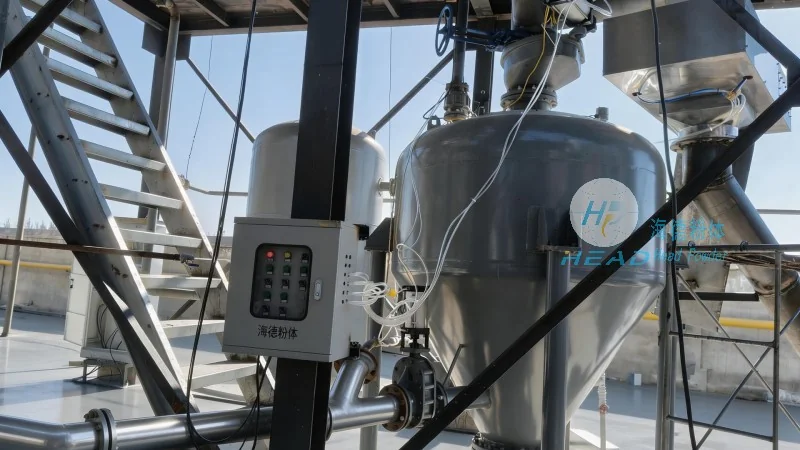
Another key design principle is the selection of appropriate pipeline materials and diameters. Talc powder is abrasive and can cause wear on metal surfaces over time. Therefore, materials such as stainless steel, polyethylene, or specialized coatings are often used for the conveying line to minimize wear and prevent contamination. The pipeline diameter is also critical, as it affects the air velocity and the risk of particle segregation or clogging.
System Integration and Control
Modern talc powder pneumatic conveying systems often incorporate advanced control mechanisms to optimize performance and reduce downtime. These systems may include sensors to monitor pressure, flow rate, and material level, as well as automated controls to adjust the air compressor speed or valve positions in real-time. This integration ensures that the system operates at peak efficiency, minimizing energy consumption and maximizing the throughput of talc powder.
Applications and Benefits
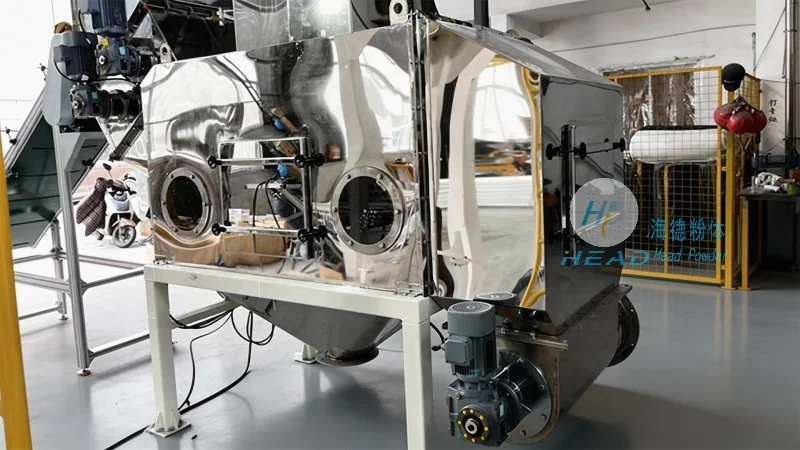
Talc powder material pneumatic conveying equipment is widely used in various industries, including cosmetics, pharmaceuticals, and ceramics, where the handling of fine powders requires precision and cleanliness. The primary benefits of using pneumatic systems for talc powder include improved safety (reducing dust exposure), increased efficiency (faster and more consistent transport), and reduced maintenance (compared to mechanical conveyors). Additionally, pneumatic systems can handle long-distance conveying and multiple branch lines, making them versatile for complex industrial setups.
About Shandong HeadPowder Engineering Co., Ltd.
Shandong HeadPowder Engineering Co., Ltd., a leading manufacturer based in Shandong, China, specializes in the design and production of advanced pneumatic conveying equipment for various industrial applications. With years of experience in the field, the company has developed a reputation for delivering high-quality, reliable systems tailored to the unique needs of talc powder handling. The company's commitment to innovation and customer satisfaction has made it a trusted partner for businesses seeking efficient and safe powder transport solutions.