

What is a Seasoning Powder Material Pneumatic Conveying Line? And What Are Its Design Principles?
HeadPowder, a leading manufacturer based in Shandong, China, specializes in providing advanced solutions for the efficient handling of seasoning powders. This article explores the concept of seasoning powder material pneumatic conveying lines and delves into the fundamental design principles that underpin their operation.
Understanding Seasoning Powder Material Pneumatic Conveying Lines
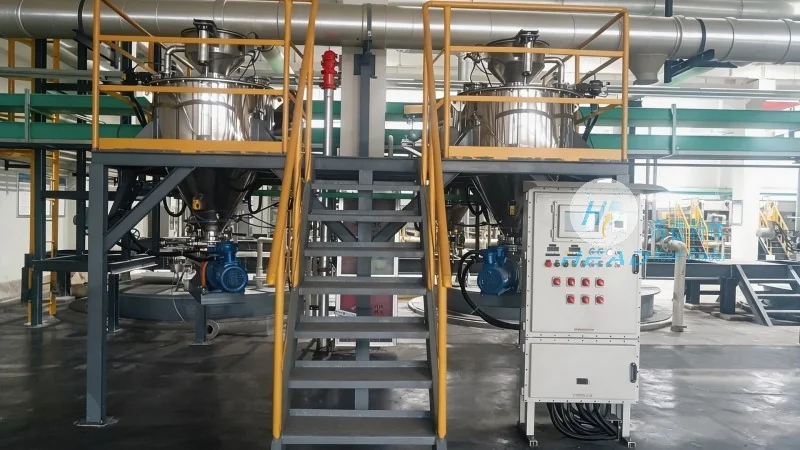
A seasoning powder material pneumatic conveying line is a system designed to transport dry, fine powders such as spices, seasonings, and other culinary ingredients through an enclosed pipeline using compressed air or other gas. This method offers a dust-free, hygienic, and efficient alternative to traditional bulk handling methods, making it ideal for the food processing industry where maintaining product quality and safety is paramount.
Key Characteristics of Seasoning Powders and Their Impact on Conveying Systems
Seasoning powders often present unique challenges for material handling due to their physical properties. These include high moisture sensitivity, tendency to agglomerate or caking, and fine particle size that can lead to dust formation. The pneumatic conveying system must be engineered to address these challenges effectively. For instance, the system may incorporate features like agitators or vibrators to prevent caking, and specialized filters to capture fine particles and maintain air quality.
Design Principles of Pneumatic Conveying Systems for Seasoning Powders
The design of a pneumatic conveying line for seasoning powders involves several critical principles to ensure optimal performance and reliability. One of the primary considerations is the choice between positive pressure and negative pressure systems. Positive pressure systems, where air is blown into the pipeline to push the material forward, are commonly used for short to medium distances and are effective for handling materials that are prone to caking. Negative pressure systems, on the other hand, use suction to draw material into the pipeline, which is suitable for longer distances and for materials that are less likely to agglomerate.

Another crucial design principle is the determination of the air-to-solid ratio (A/S ratio). This ratio, which is the volume of air used per unit volume of material, directly impacts the conveying velocity and system efficiency. An appropriate A/S ratio ensures that the material is fully suspended in the air stream, preventing blockages and ensuring smooth transport. For seasoning powders, a higher A/S ratio may be required due to their fine particle size and tendency to settle quickly.
Additionally, the pipeline layout and components play a vital role in the system's performance. The design must account for the material's flow characteristics, including its bulk density and angle of repose. Components such as bends, elbows, and expansion joints are carefully selected and positioned to minimize pressure losses and prevent material deposition. The use of smooth, corrosion-resistant materials for the pipeline, such as stainless steel, is essential to maintain hygiene and prevent contamination of the seasoning powders.
Key Components and Their Functions in a Seasoning Powder Pneumatic Conveying Line
A typical seasoning powder pneumatic conveying line consists of several key components, each with a specific function. The system starts with a hopper or feeder that stores and feeds the seasoning powder into the pipeline. The feeder may include a rotary valve or a screw conveyor to control the flow rate and prevent material buildup. The air supply unit, which can be a blower or a vacuum pump, provides the necessary pressure or suction to move the material. The pipeline itself connects the feeder to the destination, such as a silo or a processing unit, and may include additional components like filters, cyclones, or dust collectors to separate the material from the air stream and ensure clean air release.
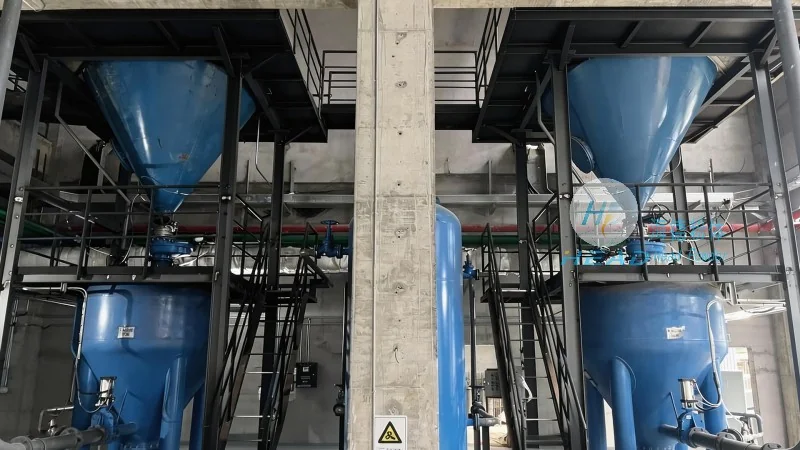
At the receiving end, a separator or cyclone is used to separate the seasoning powder from the air. The cyclone works by using centrifugal force to pull the heavier powder particles out of the air stream and into a collection bin. The air, now free of powder, is then discharged or recirculated back into the system. This separation process is critical to maintaining the purity of the seasoning powder and preventing dust contamination in the processing environment.
Benefits of Using Pneumatic Conveying for Seasoning Powders
Implementing a pneumatic conveying line for seasoning powders offers numerous benefits that enhance operational efficiency and product quality. Firstly, the system provides a dust-free and hygienic environment, which is essential for food processing applications where contamination must be minimized. The enclosed pipeline prevents dust from escaping into the workplace, reducing health risks and maintaining compliance with industry regulations.

Secondly, pneumatic conveying is highly efficient in terms of material handling. It allows for the rapid and continuous transport of large quantities of seasoning powders, reducing labor costs and improving production throughput. The system can be easily integrated with other processing equipment, such as mixers or blenders, to form a seamless production line.
Thirdly, the design flexibility of pneumatic conveying systems enables them to adapt to various production requirements. Whether the application involves short-distance transport within a facility or long-distance transfer between different locations, the system can be customized to meet specific needs. This adaptability makes it a versatile solution for different food processing operations.
Conclusion and Company Overview
Seasoning powder material pneumatic conveying lines are sophisticated systems that combine engineering principles with practical applications to address the unique challenges of handling fine, hygienic powders. The design principles, including the choice of pressure system, air-to-solid ratio, and pipeline components, are critical to ensuring the system operates efficiently and reliably. By leveraging advanced technology and expertise, companies like Shandong HeadPowder Engineering Co., Ltd. provide tailored solutions that enhance product quality, improve operational efficiency, and meet the stringent requirements of the food processing industry.