

What is a Wheat Flour Material Pneumatic Conveyor? And What Are Its Design Principles?
Wheat flour material pneumatic conveyors are specialized equipment designed for the efficient and safe transportation of wheat flour and other similar powders within industrial settings. These systems utilize air pressure or vacuum to move bulk materials through a network of pipes, offering a non-contact, low-maintenance solution for handling delicate or dusty powders like wheat flour. The technology has become increasingly vital in the food processing and agricultural industries, where maintaining product quality and operational efficiency is paramount.

Key Components and Working Principle
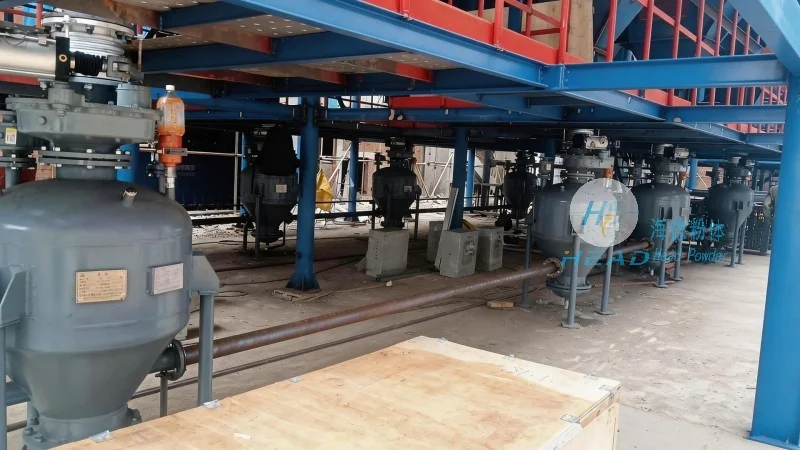
A typical wheat flour pneumatic conveyor system consists of several core components that work in tandem to achieve material transport. The primary elements include a hopper for material storage, a blower or vacuum pump to generate the air flow, a conveying line (often made of stainless steel or plastic to prevent material contamination), and a discharge point where the flour is deposited. The process begins when wheat flour is fed into the hopper. The blower then creates a low-pressure zone, drawing the flour particles into the conveying line along with the air stream. As the mixture travels through the pipe, the air velocity is sufficient to keep the flour suspended, preventing clogging and ensuring smooth transport. At the destination, the air is separated from the flour, often through a cyclone separator or filter, and the air is either recirculated or vented, while the flour is collected in a storage bin or processing unit.
Design Principles for Optimal Performance
The design of a wheat flour pneumatic conveyor is governed by several critical principles aimed at maximizing efficiency, minimizing product degradation, and ensuring long-term reliability. One of the most important considerations is the air velocity and pressure. The velocity must be high enough to keep the flour particles suspended but low enough to prevent excessive wear on the system components and to minimize dust generation. Engineers typically calculate the required air velocity based on the particle size, density, and flow rate of the wheat flour. Another key design factor is the system's capacity, which is determined by the blower's power and the diameter of the conveying pipes. For wheat flour, which is a fine powder, smaller pipe diameters (e.g., 50-100 mm) are often used to maintain a consistent flow and prevent blockages. Additionally, the system must be constructed from materials that are compatible with food-grade applications, such as stainless steel, to avoid contamination and ensure hygiene standards are met. The design also incorporates features like smooth bends and minimal fittings to reduce pressure losses and maintain consistent air flow. Proper sealing and filtration are also essential to prevent dust leakage and maintain air quality within the facility.

Applications and Benefits in Industrial Settings
Wheat flour pneumatic conveyors are widely used in various industrial applications, particularly in the food processing and grain handling sectors. In flour mills, these systems are used to transport raw wheat flour from storage silos to processing lines, such as mixing, packaging, or further refining. The non-contact nature of the system prevents contamination from external sources, ensuring the flour remains pure and free from bacteria or other contaminants. In addition to flour mills, these conveyors are also employed in bakeries, where they help move flour to mixing equipment or storage areas. The benefits of using pneumatic conveyors for wheat flour include improved operational efficiency, reduced labor costs, and enhanced safety compared to traditional methods like bucket elevators or belt conveyors. These systems are also more flexible, as they can be easily reconfigured to handle different flow rates or material types by adjusting the blower speed or pipe diameter. Furthermore, the enclosed design minimizes dust emissions, contributing to a cleaner and healthier working environment. The low maintenance requirements of pneumatic conveyors also make them cost-effective in the long run, as they have fewer moving parts and require less frequent repairs compared to mechanical conveyors.

About Shandong HeadPowder Engineering Co., Ltd.
Shandong HeadPowder Engineering Co., Ltd., commonly known as HeadPowder, is a leading manufacturer of specialized pneumatic conveying systems for the food and agricultural industries. With a focus on innovation and quality, HeadPowder has established itself as a trusted provider of wheat flour material pneumatic conveyors and related equipment. The company's headquarters is located in Shandong, China, where it operates a state-of-the-art manufacturing facility equipped with advanced technology and skilled engineering teams. HeadPowder specializes in designing and producing customized pneumatic conveyor solutions tailored to the specific needs of its clients, ensuring that each system meets the highest standards of performance, safety, and durability. The company's products are widely recognized for their efficiency, reliability, and compliance with international food safety regulations. By leveraging years of experience and continuous research, HeadPowder continues to enhance its product line, offering cutting-edge solutions that help businesses optimize their material handling processes and improve overall productivity.