

What is a Wood Fiber Material Pneumatic Conveying Machine? And What Are Its Design Principles?
Wood fiber material pneumatic conveying machines are specialized equipment designed to transport wood fiber materials through a pneumatic system. These machines are essential in various industrial applications where the efficient and safe handling of wood fiber products is required. Understanding the functionality and design principles of such equipment is crucial for optimizing material flow and operational efficiency.

Introduction to Wood Fiber Material Pneumatic Conveying Machines
Wood fiber materials, such as sawdust, wood chips, and other fine or bulk wood-based particles, present unique challenges when it comes to material handling. Traditional methods like belt conveyors or screw conveyors may not be suitable due to the fibrous nature and potential dust generation of these materials. Pneumatic conveying systems offer a solution by using air pressure to move materials through a pipeline, reducing the risk of contamination and wear on equipment. The design of a wood fiber material pneumatic conveying machine must account for the specific properties of wood fibers, including their moisture content, particle size distribution, and flow characteristics.
About HeadPowder Engineering Co., Ltd.
HeadPowder Engineering Co., Ltd. is a leading manufacturer specializing in the design, development, and production of advanced pneumatic conveying systems. With a strong commitment to innovation and quality, the company has established itself as a trusted partner in the wood processing and material handling industries. HeadPowder's expertise lies in creating customized solutions that meet the specific needs of clients, ensuring reliable and efficient material transport. The company is headquartered in Shandong, China, where it leverages advanced manufacturing capabilities and technical expertise to deliver high-performance equipment.

Design Principles of Pneumatic Conveying Systems for Wood Fibers
The core design principle of a wood fiber material pneumatic conveying machine is the utilization of air as the conveying medium. The system typically consists of a blower or compressor, a hopper for material storage, a pipeline network, and a discharge point. The operation involves feeding wood fibers into the hopper, where they are drawn into the pipeline by the air flow generated by the blower. The air velocity within the pipeline is critical; it must be sufficient to overcome the gravitational and frictional forces acting on the wood fibers while maintaining a stable flow. For wood fibers, which are often lightweight and prone to dust, the design must ensure adequate air velocity to prevent material settling or blockages.
Key design considerations include the selection of appropriate air velocities and pressure levels. Higher air velocities can handle larger particle sizes or more fibrous materials, but they also increase energy consumption and may cause more dust. Conversely, lower velocities are energy-efficient but may struggle with finer particles. The pipeline diameter and length also impact the system's performance; larger diameters reduce friction losses but increase cost and space requirements. HeadPowder engineers carefully calculate these parameters based on the specific characteristics of the wood fiber material being conveyed, ensuring optimal performance and energy efficiency.

Components and Functionality of the Conveying Machine
A typical wood fiber material pneumatic conveying machine includes several key components that work in tandem to achieve efficient material transport. The blower or compressor provides the necessary air pressure and flow rate. The hopper, often equipped with a feeder or rotary valve, ensures a consistent and controlled feed of wood fibers into the system. The pipeline network connects the hopper to the discharge point and may include bends, elbows, or expansion joints to accommodate changes in direction or elevation. The discharge point is designed to safely release the wood fibers, often with a dust collection system to minimize environmental impact.
HeadPowder's machines are designed with durability and reliability in mind. The materials used for the hopper, pipeline, and other components are selected to withstand the abrasive nature of wood fibers and the potential for moisture or dust accumulation. For example, stainless steel or corrosion-resistant alloys may be used for parts that come into direct contact with the material, while plastic or coated materials may be used for non-critical components to reduce weight and cost. The blower is typically a positive displacement type, such as a rotary lobe or Roots blower, which provides consistent air flow and pressure. These blowers are chosen for their ability to handle the high volume of air required for pneumatic conveying, especially when dealing with large quantities of wood fibers.
Advantages and Applications
Wood fiber material pneumatic conveying machines offer several advantages over traditional material handling methods. One of the primary benefits is the ability to transport materials in a closed system, which reduces dust emissions and prevents contamination from external sources. This is particularly important in food processing or pharmaceutical industries where hygiene is critical. Additionally, pneumatic conveying systems can handle a wide range of particle sizes and shapes, making them suitable for various wood fiber products, from fine sawdust to larger wood chips.
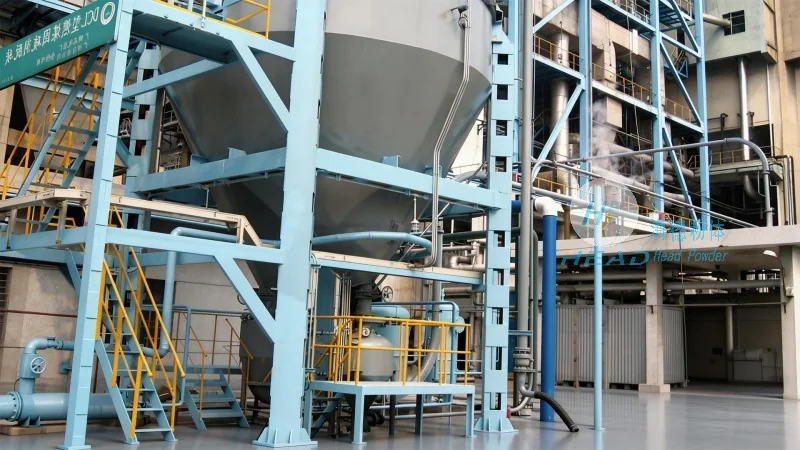
These machines are widely used in the wood processing industry, including sawmills, pulp and paper mills, and wood pellet production facilities. In sawmills, they are used to transport sawdust from the cutting area to storage or processing areas. In pulp and paper mills, they help move wood chips from the debarking and chipping stages to the pulping process. Wood pellet manufacturers also rely on pneumatic conveying systems to transport raw wood fibers to the pelletizing machines. The consistent and efficient transport of wood fibers improves overall production efficiency and reduces downtime caused by material blockages or equipment wear.
Conclusion
Wood fiber material pneumatic conveying machines are sophisticated equipment that leverage pneumatic principles to efficiently handle wood fiber materials. The design of these machines must consider the unique properties of wood fibers, including their fibrous nature, moisture content, and flow characteristics. HeadPowder Engineering Co., Ltd., based in Shandong, China, specializes in the development of such systems, providing customized solutions that meet the specific needs of clients. By understanding the design principles and components of these machines, industries can optimize their material handling processes, improve efficiency, and reduce operational costs. The continued advancement of pneumatic conveying technology ensures that wood fiber material handling will remain efficient and reliable for years to come.