

Working Principle and Characteristics of Spices Pneumatic Conveying
Spices pneumatic conveying is a critical technology in the food processing industry, particularly for handling delicate and high-value spice products. This method involves transporting bulk materials like spices through a pipeline using air or other gases. The process is designed to maintain product quality while ensuring efficient and hygienic material transfer.
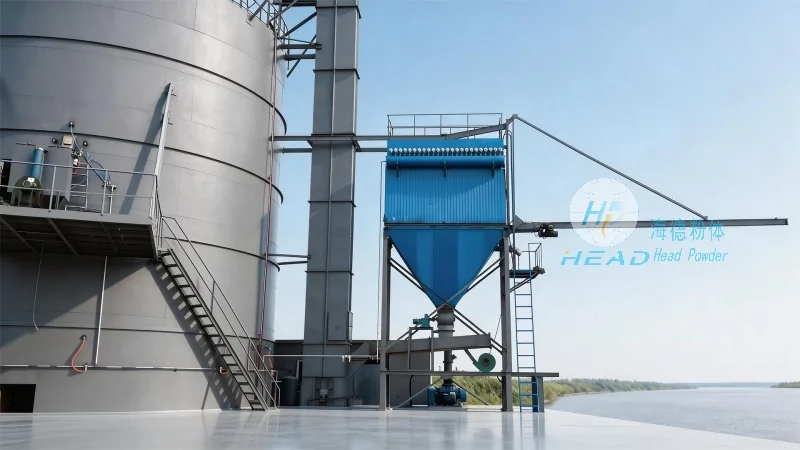
HeadPowder, a leading engineering company based in Shandong, China, specializes in the design, manufacturing, and installation of advanced pneumatic conveying systems tailored for the spice industry. With a strong commitment to quality and innovation, HeadPowder has become a trusted partner for businesses seeking reliable solutions for their spice handling needs.
Working Principle of Spices Pneumatic Conveying
The core of spices pneumatic conveying lies in the movement of material through a pipeline under the force of air. There are two primary types of systems: suction and pressure. In a suction system, a vacuum is created at the inlet to draw the material into the pipeline. This method is ideal for handling light, fine materials and is often used for short-distance transport. Conversely, a pressure system uses compressed air to push the material through the pipeline, making it suitable for longer distances and handling heavier or bulkier materials.
For spices, the choice of system depends on factors such as the type of spice (e.g., powdered or granular), the required transport distance, and the need for product containment. HeadPowder engineers carefully evaluate these factors to design a system that optimizes performance and maintains product integrity. The company’s expertise in material flow dynamics ensures that the conveying process is efficient and minimizes product degradation.

Key Characteristics and Advantages of Spices Pneumatic Conveying
One of the most significant advantages of pneumatic conveying for spices is its ability to maintain product hygiene and prevent contamination. Unlike mechanical systems that may involve direct contact with the material, pneumatic systems use enclosed pipelines, reducing the risk of cross-contamination from external sources. This is particularly important for spices, which are often used in food applications where strict quality standards are required.
Efficiency is another key characteristic. Pneumatic conveying systems can transport large volumes of material quickly and with minimal labor. They are also highly flexible, allowing for easy integration into existing production lines or expansion as business needs grow. HeadPowder’s systems are designed to maximize throughput while minimizing energy consumption, making them cost-effective for long-term operation.
Additionally, pneumatic conveying offers better control over material handling. The system can be programmed to adjust air pressure and flow rates, ensuring consistent product movement and preventing issues like blockages or overloading. This level of control is crucial for maintaining product quality and preventing spoilage, especially for sensitive spices that are prone to moisture or temperature changes.

System Components and Their Roles
A typical spices pneumatic conveying system consists of several key components that work together to ensure smooth operation. The primary components include a material feeder, a conveying line, a separator, and a filter system. The material feeder, often a rotary valve or a star feeder, is responsible for feeding the spice material into the pipeline at a controlled rate. This ensures a consistent flow of material, preventing surges or gaps that could disrupt the conveying process.
The conveying line is the main pipeline through which the material travels. It is usually made of stainless steel or other corrosion-resistant materials to withstand the acidic or abrasive nature of spices. The line is equipped with bends and fittings that are designed to minimize pressure loss and maintain the flow of material. HeadPowder’s systems use high-quality materials and precision engineering to ensure durability and long service life.
The separator is a critical component that separates the conveyed material from the air at the end of the pipeline. This is typically done using a cyclone separator, which uses centrifugal force to separate the solid particles from the air stream. The separated material is then collected in a hopper or storage bin, while the air is directed to a filter system. The filter system, often a baghouse or cartridge filter, removes any fine particles from the air before it is discharged, ensuring compliance with environmental regulations and maintaining air quality in the facility.

HeadPowder's Expertise in Spices Pneumatic Conveying
HeadPowder Engineering Co., Ltd., with its headquarters in Shandong, China, has established itself as a leading provider of pneumatic conveying solutions for the spice industry. The company’s team of experienced engineers and technicians has extensive knowledge of material handling and process optimization, enabling them to design customized systems that meet the specific needs of each client.
HeadPowder’s commitment to quality is evident in its use of advanced manufacturing techniques and rigorous quality control processes. All components are manufactured to meet international standards, ensuring reliability and performance. The company also provides comprehensive after-sales support, including installation, commissioning, and maintenance services, to ensure that clients can operate their systems efficiently and with minimal downtime.
By leveraging its expertise in pneumatic conveying technology, HeadPowder helps spice manufacturers improve their production efficiency, reduce costs, and maintain product quality. The company’s systems are designed to be scalable, allowing businesses to start with a basic setup and expand as their production needs grow. This flexibility makes HeadPowder an ideal partner for both small and large-scale spice operations.