

Working Principle and Characteristics of Pneumatic Conveying for Compound Fertilizers
For industrial applications involving compound fertilizers, efficient material handling is crucial to maintaining production efficiency and operational safety. Pneumatic conveying systems have emerged as a reliable solution, offering a flexible and effective method to transport bulk materials like compound fertilizers. This article explores the working principle and key characteristics of pneumatic conveying for compound fertilizers, highlighting the technical advantages and practical applications of such systems.
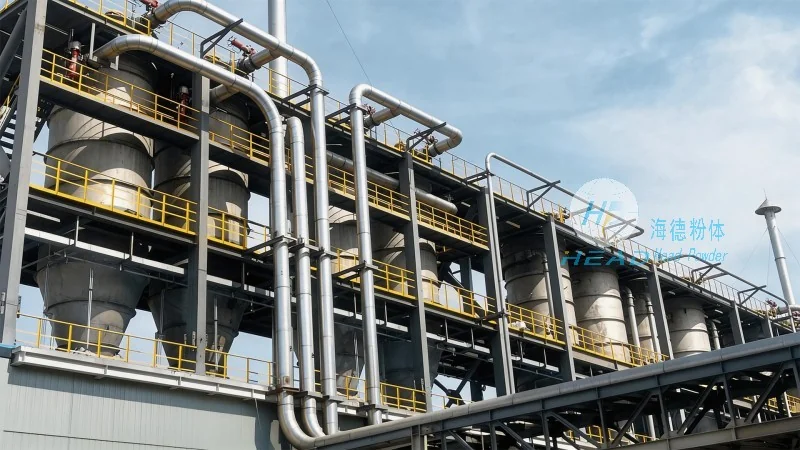
Introduction to Pneumatic Conveying Systems for Compound Fertilizers
Pneumatic conveying, also known as air conveying, is a technology that uses pressurized or vacuum air to transport bulk solid materials through a pipeline. In the context of compound fertilizers, this method is widely adopted due to its ability to handle various particle sizes, moisture contents, and flow rates. The system typically consists of several components, including a material feeder, a conveying pipeline, a separation and recovery unit, and a dust collector. Each component plays a critical role in ensuring smooth and efficient material transport.
The Working Principle of Pneumatic Conveying for Compound Fertilizers
The core working principle of pneumatic conveying for compound fertilizers revolves around the interaction between the material and the air stream. There are two main types of pneumatic conveying systems: positive pressure and negative pressure. Positive pressure systems use a blower to generate high-pressure air that pushes the material through the pipeline, while negative pressure systems use a vacuum pump to draw the material into the pipeline. In both cases, the air flow creates a drag force that lifts and transports the solid particles. The material feeder is responsible for feeding the compound fertilizer into the pipeline at a controlled rate, ensuring a consistent flow. The conveying pipeline is designed to withstand the pressure or vacuum conditions and is often made of corrosion-resistant materials to handle the chemical properties of fertilizers. The separation and recovery unit, such as a cyclone separator or a bag filter, separates the material from the air stream and returns the material to the process or storage area. The dust collector captures any fine particles that may escape, ensuring environmental compliance and product purity.
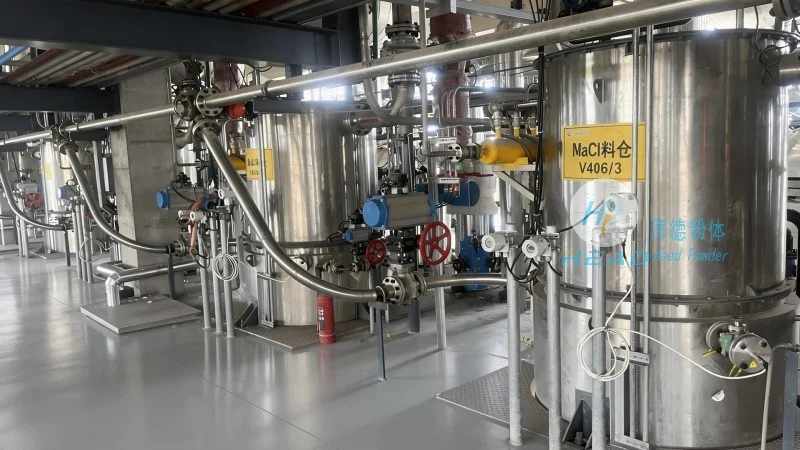
Key Characteristics of Pneumatic Conveying Systems
Several distinct characteristics make pneumatic conveying an attractive option for compound fertilizer handling. Firstly, it offers high efficiency in terms of material transport speed and capacity. The system can handle large volumes of material with minimal downtime, contributing to increased production throughput. Secondly, it provides flexibility in terms of layout and system expansion. Pneumatic conveying systems can be easily integrated into existing production lines or modified to accommodate changes in production requirements. Thirdly, the technology is highly adaptable to different types of compound fertilizers, including those with varying particle sizes, moisture levels, and chemical compositions. This adaptability reduces the need for multiple handling methods and simplifies the overall process. Additionally, pneumatic conveying systems are generally more hygienic and dust-free compared to traditional mechanical conveying methods, which is important for maintaining product quality and preventing contamination. The automated nature of these systems also reduces labor costs and improves operational safety by minimizing human exposure to dust and moving parts.
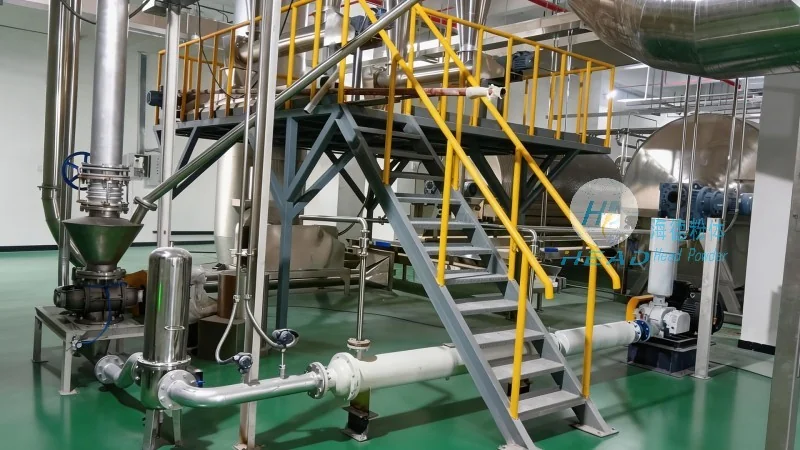
Technical Advantages and Practical Applications
From a technical standpoint, pneumatic conveying systems for compound fertilizers offer several advantages. The high-velocity air stream ensures that even fine particles are effectively transported, reducing the risk of blockages or material buildup in the pipeline. The system's ability to handle both dry and slightly moist materials makes it suitable for a wide range of fertilizer formulations. In practical applications, these systems are commonly used in fertilizer manufacturing plants to transport raw materials from storage silos to processing units, to move finished products from production lines to packaging areas, and to transfer materials between different stages of the production process. The consistent and controlled flow of material helps maintain product quality and reduces the likelihood of material degradation or segregation. Furthermore, the modular design of pneumatic conveying systems allows for easy maintenance and repair, minimizing system downtime and extending the operational life of the equipment.
Company Profile: Shandong HeadPowder Engineering Co., Ltd.
Shandong HeadPowder Engineering Co., Ltd., a leading provider of engineering solutions for bulk material handling, specializes in the design, manufacturing, and installation of pneumatic conveying systems tailored to the needs of the fertilizer industry. With a strong commitment to innovation and quality, the company has developed advanced technologies that enhance the efficiency and reliability of material transport in fertilizer production facilities. HeadPowder's expertise in material flow engineering and process optimization ensures that its systems are optimized for specific application requirements, delivering superior performance and cost-effectiveness. The company's facilities are located in Shandong, China, providing a strategic base for serving clients both domestically and internationally. By leveraging its technical knowledge and industry experience, HeadPowder continues to contribute to the advancement of efficient and sustainable material handling solutions in the fertilizer sector.