

Working Principle and Features of PTFE Pneumatic Conveying Equipment
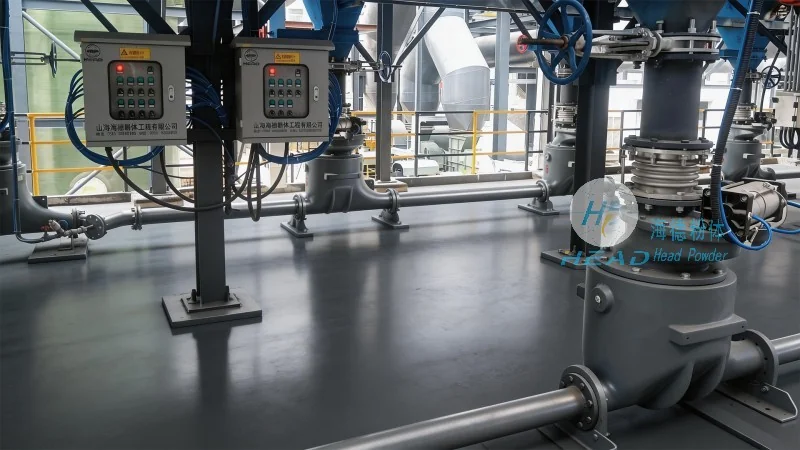
PTFE (Polytetrafluoroethylene) pneumatic conveying equipment is a specialized system designed for the efficient and reliable transport of bulk materials in industrial settings. This equipment utilizes compressed air or other gases to move powders, granules, and other particulate materials through a pipeline network. The system is widely recognized for its ability to handle a diverse range of materials, including those that are abrasive, corrosive, or sensitive to moisture, making it a preferred choice in various industries such as chemical processing, pharmaceuticals, food processing, and more.

Working Principle of PTFE Pneumatic Conveying Systems
The core mechanism of PTFE pneumatic conveying equipment involves the use of a pressure or vacuum system to generate airflow that propels the material through the conveying line. In a typical operation, the material is introduced into the system at the inlet, where it is mixed with the air stream. The air, often supplied by a blower or compressor, creates a flow that carries the particles forward. The PTFE material, known for its exceptional chemical resistance and low friction properties, ensures that the conveying process is smooth and minimizes material degradation or contamination. The system may operate under positive pressure (pressure conveying) or negative pressure (vacuum conveying), depending on the application and material characteristics.

Key Features of PTFE Pneumatic Conveying Equipment
PTFE pneumatic conveying systems offer several distinct advantages that make them suitable for demanding industrial applications. Firstly, the PTFE lining provides excellent chemical resistance, allowing the equipment to handle aggressive materials without degradation or corrosion. This is particularly important in industries where the conveyed materials may be acidic, alkaline, or contain solvents. Secondly, the low coefficient of friction of PTFE reduces wear and tear on the conveying components, extending the service life of the system. This results in lower maintenance costs and higher operational efficiency over time. Thirdly, the system is capable of handling a wide variety of particle sizes and shapes, from fine powders to larger granules, without clogging or blockages. The flexible design of the PTFE components also allows for easy integration into existing production lines, enabling seamless material transfer. Additionally, the PTFE material is non-stick, which helps prevent material buildup and ensures consistent flow rates. These features collectively contribute to the reliability and performance of PTFE pneumatic conveying equipment in various industrial processes.
Applications and Benefits in Industrial Settings
PTFE pneumatic conveying equipment is widely used across multiple industries due to its versatility and effectiveness. In the chemical industry, it is used to transport reactive or corrosive powders, ensuring safety and preventing contamination. In pharmaceutical manufacturing, the system's ability to maintain a sterile environment and handle sensitive materials is crucial for product quality and compliance with regulatory standards. The food processing industry benefits from the hygienic design of PTFE components, which are easy to clean and maintain, reducing the risk of cross-contamination. Additionally, in the mining and mineral processing sectors, PTFE conveying systems are employed to transport abrasive ores and minerals, where traditional methods may cause excessive wear. The benefits of PTFE pneumatic conveying extend to energy efficiency as well, as the system can operate with lower air pressure compared to other conveying methods, reducing energy consumption and operational costs.