

Working Principle and Features of Biomass Pneumatic Conveying Equipment
Biomass pneumatic conveying equipment is a critical component in the efficient processing and transportation of biomass materials across various industrial sectors. These systems are designed to handle bulk materials such as wood chips, pellets, and other organic residues, enabling seamless material flow from storage to processing or end-use applications. Understanding the underlying working principle and distinctive features of biomass pneumatic conveying equipment is essential for optimizing operational efficiency and ensuring reliable performance in biomass handling operations.
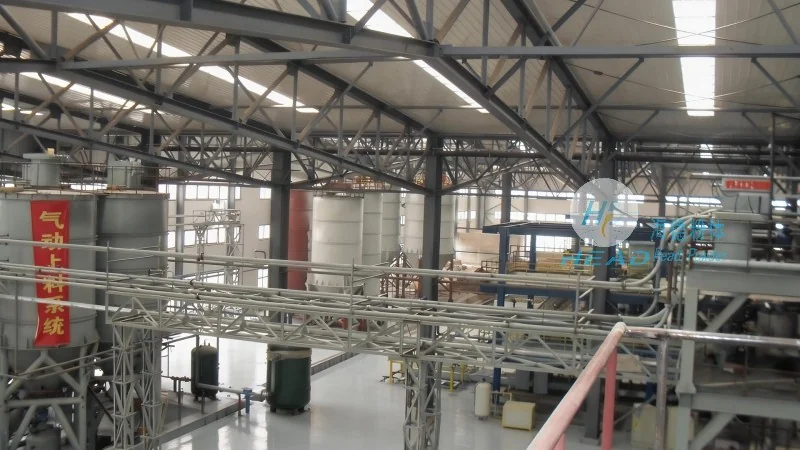

The Working Principle of Biomass Pneumatic Conveying Equipment
The fundamental operation of biomass pneumatic conveying equipment revolves around the use of compressed air to transport solid particles through a closed pipeline system. The process typically initiates with the biomass material being fed into a hopper or feeder, where it is then introduced into the conveying pipeline. Compressed air is subsequently introduced into the pipeline, creating a pressure differential that propels the biomass particles forward. The system utilizes either positive pressure (where air is forced into the system) or negative pressure (where air is drawn out), depending on the specific design and application requirements. Key components of the system include the feeder, which ensures a consistent material feed rate; the pipeline network, which transports the biomass to the destination; a separation unit, such as a cyclone or filter, that separates the air from the biomass particles; and a discharge point where the material is collected. The separation unit is crucial for maintaining material purity and preventing system clogging by efficiently separating the air stream from the solid particles.

Key Features of Biomass Pneumatic Conveying Equipment
Biomass pneumatic conveying equipment offers several notable advantages that make it a preferred choice for material handling in biomass processing. One primary feature is its high efficiency in transporting bulk materials over extended distances with relatively low energy consumption compared to traditional mechanical conveying methods. The equipment is also highly adaptable, capable of handling a wide variety of biomass particle sizes and shapes, including irregular wood chips and uniform pellets. This versatility allows it to be applied across different biomass processing scenarios, from small-scale facilities to large industrial plants. Another significant feature is its closed system operation, which helps in controlling dust emissions and maintaining a clean working environment. The sealed system also protects the biomass from external contaminants, preserving the material's quality during transport. Additionally, the equipment is engineered for low maintenance, with easily accessible components that simplify repairs and reduce downtime. The use of compressed air as the primary driving force enables flexible system configurations, allowing for the integration of multiple conveying lines and complex network designs to meet the unique requirements of diverse biomass processing operations.

Company Information
HeadPowder, a leading manufacturer specializing in biomass handling solutions, provides high-quality pneumatic conveying systems tailored to the needs of biomass processing industries. HeadPowder, operating under the full name Shandong HeadPowder Engineering Co., Ltd., is headquartered in Shandong, China. The company is committed to delivering reliable and efficient equipment through advanced engineering and rigorous quality control. With a focus on customer satisfaction and innovation, HeadPowder has established a strong reputation for its durable and performance-driven biomass conveying equipment. The company's expertise in designing and manufacturing pneumatic conveying systems ensures that clients receive solutions that enhance operational efficiency and support sustainable biomass utilization.