

Working Principle and Features of Alumina Crystal Powder Conveying System Equipment
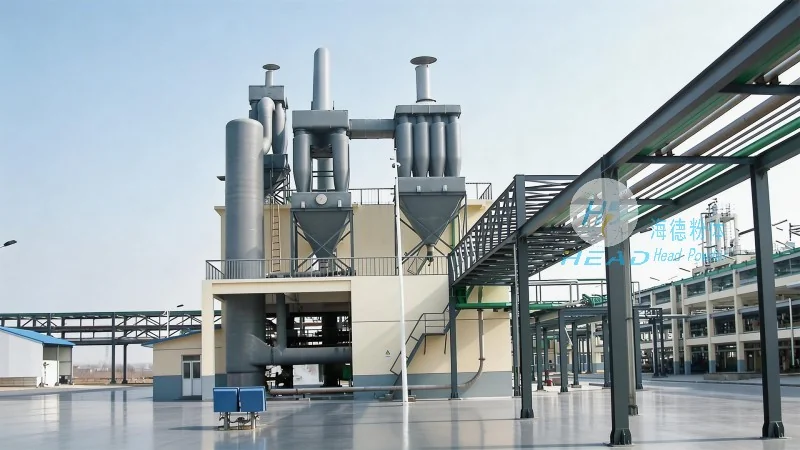
The Alumina Crystal Powder Conveying System Equipment, developed by Shandong HeadPowder Engineering Co., Ltd., is a specialized solution designed to handle the transportation of alumina crystal powders efficiently and reliably. This equipment is engineered to meet the stringent requirements of industrial applications, ensuring optimal performance in various processing environments. The system integrates advanced technology to enhance material handling capabilities, making it a crucial component in the production and processing of alumina-based materials.

Core Working Principle of the Conveying System
The working principle of the alumina crystal powder conveying system is centered on a combination of mechanical and pneumatic components that work in tandem to transport the powder. The system typically operates by using a hopper to store the alumina crystal powder, which is then fed into a conveyor mechanism. This mechanism may include screw conveyors, pneumatic conveying lines, or a combination of both, depending on the specific design. The primary function is to move the powder from the storage area to the processing or packaging units with minimal loss and maximum efficiency. The system is equipped with sensors and control panels that monitor the flow rate, pressure, and other critical parameters to maintain consistent performance. This automated control ensures that the conveying process is stable and can be adjusted in real-time to accommodate varying production demands. The design also incorporates features to prevent material degradation, such as dust containment and temperature regulation, which are essential for maintaining the quality of the alumina crystals during transportation.

Key Features and Advantages of the Equipment
Shandong HeadPowder Engineering Co., Ltd.'s alumina crystal powder conveying system offers several key features that set it apart in the industry. One of the most notable advantages is its high efficiency in material handling, which significantly reduces the time and labor required for powder transportation. The system is designed with durability in mind, using high-quality materials that can withstand the abrasive nature of alumina crystals, ensuring a long service life. Another important feature is the system's flexibility, allowing it to be customized to fit different production scales and layouts. This adaptability makes it suitable for both small-scale and large-scale industrial operations. The equipment also emphasizes safety and environmental protection, with features like dust collection systems and sealed conveyor lines that minimize the risk of dust exposure and environmental contamination. Additionally, the system is equipped with user-friendly control interfaces that simplify operation and maintenance, reducing the need for specialized technical knowledge. These features collectively contribute to improved productivity, reduced operational costs, and enhanced safety in the workplace.

Application and Integration in Industrial Processes
The alumina crystal powder conveying system is widely used in various industrial applications, particularly in the production of ceramics, refractory materials, and other alumina-based products. In these processes, the efficient transportation of alumina crystals is critical to maintaining the quality and consistency of the final products. The system integrates seamlessly with existing production lines, allowing for smooth material flow from raw material storage to processing units. For example, in ceramic manufacturing, the conveying system ensures that alumina crystals are delivered to the mixing and shaping stages without any degradation or contamination. Similarly, in refractory production, the system plays a vital role in transporting the powder to the firing and molding processes. The adaptability of the system also allows it to be integrated with other equipment, such as mixers, grinders, and packaging machines, creating a comprehensive material handling solution. This integration enhances overall operational efficiency and reduces downtime, as the system can be coordinated with other production steps to optimize workflow.
Quality Assurance and Technical Specifications
Shandong HeadPowder Engineering Co., Ltd. adheres to strict quality standards in the manufacturing of its alumina crystal powder conveying system. The company uses advanced manufacturing techniques and rigorous testing procedures to ensure that each unit meets the highest performance criteria. The technical specifications of the system include parameters such as conveying capacity, pressure range, and material compatibility. The conveying capacity can be adjusted based on the specific requirements of the application, with options ranging from low to high throughput. The pressure range is designed to handle different types of alumina crystals, ensuring that the system can accommodate various particle sizes and densities. Material compatibility is a key consideration, as the system is constructed using materials that are resistant to corrosion and wear from alumina crystals. Additionally, the system is equipped with maintenance-friendly features, such as easy access to components and modular design, which simplify routine inspections and repairs. These technical specifications and quality assurance measures ensure that the equipment delivers reliable performance and long-term value to users.