

Working Principle and Features of PTFE Material Handling
Polymers like polytetrafluoroethylene (PTFE) are widely used in industrial applications due to their exceptional chemical resistance, thermal stability, and low friction properties. When it comes to material handling, PTFE offers unique advantages that make it suitable for transporting a variety of substances, including chemicals, powders, and other materials that are sensitive to corrosion or wear. Understanding the working principle and key features of PTFE material handling systems is crucial for optimizing industrial processes and ensuring efficient operation.

The Working Principle of PTFE Material Handling
PTFE material handling systems typically involve components such as conveyor belts, pipes, and valves that are constructed from PTFE or PTFE-coated materials. The core working principle revolves around the use of these PTFE components to facilitate the movement of materials from one location to another. For instance, in a conveyor system, the PTFE belt or pipe provides a smooth surface that reduces friction and prevents material adhesion, allowing for efficient transport. The system operates by utilizing mechanical energy, such as motor-driven rollers or pumps, to move the PTFE conveyor or pipe, thereby transporting the material through the system. The design of PTFE material handling equipment is tailored to handle specific material types, ensuring that the properties of PTFE—like its non-stick surface and chemical inertness—are fully leveraged to enhance material transport efficiency.

Key Features of PTFE Material Handling
PTFE material handling systems exhibit several distinctive features that set them apart from conventional materials. Firstly, PTFE's chemical inertness makes it ideal for handling aggressive chemicals, acids, and solvents without degradation or contamination. This property is critical in industries like pharmaceuticals, petrochemicals, and food processing, where material purity is paramount. Secondly, PTFE's low coefficient of friction reduces energy consumption and minimizes wear on moving parts, leading to lower maintenance costs and longer equipment lifespan. Thirdly, PTFE's thermal stability allows it to operate effectively in a wide temperature range, from cryogenic temperatures to high-temperature environments, making it versatile for various industrial applications. Additionally, PTFE's non-stick surface prevents material buildup and clogging, ensuring consistent flow and preventing downtime. These features collectively contribute to the reliability and efficiency of PTFE material handling systems.

Applications of PTFE Material Handling
PTFE material handling systems are employed in diverse industrial sectors, including chemical processing, pharmaceutical manufacturing, food and beverage production, and semiconductor fabrication. In chemical plants, PTFE pipes and pumps are used to transport corrosive chemicals, ensuring that the materials remain uncontaminated and the equipment operates safely. In pharmaceutical facilities, PTFE conveyor belts are utilized to handle sensitive powders and granules, maintaining sterility and preventing cross-contamination. Similarly, in food processing plants, PTFE components are preferred for their food-grade compliance and resistance to cleaning agents. The adaptability of PTFE material handling systems to different material types and operating conditions makes them a preferred choice in industries where material integrity and process efficiency are critical.
Advantages of PTFE Material Handling Over Traditional Materials
Compared to traditional materials like metal or rubber, PTFE material handling systems offer several advantages. Metal components are prone to corrosion and can react with aggressive chemicals, leading to equipment failure and product contamination. Rubber, while more flexible, may degrade over time and lose its non-stick properties, resulting in increased friction and material buildup. PTFE, on the other hand, maintains its properties over extended periods, providing consistent performance and reducing the need for frequent replacements. Moreover, PTFE's lightweight nature reduces the overall weight of the system, making it easier to install and maintain. The long service life and low maintenance requirements of PTFE material handling systems translate into significant cost savings for industrial operations.
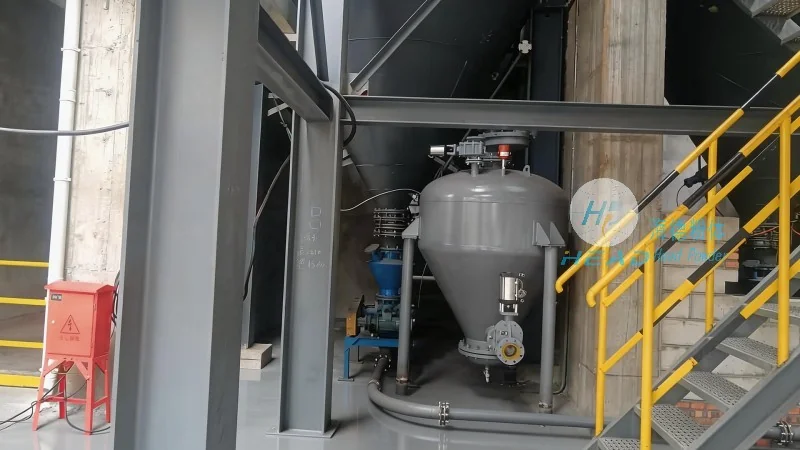
Company Profile: Shandong HeadPowder Engineering Co., Ltd.
Shandong HeadPowder Engineering Co., Ltd., commonly known as HeadPowder, is a leading manufacturer specializing in PTFE material handling solutions. With a strong commitment to quality and innovation, HeadPowder provides a wide range of PTFE-based equipment designed to meet the diverse needs of industrial clients. The company's products include PTFE conveyor belts, pipes, valves, and other components that are engineered to deliver optimal performance in demanding environments. HeadPowder's expertise in PTFE technology and material handling systems enables it to offer customized solutions tailored to specific industrial requirements. The company's headquarters is located in Shandong, China, where it operates state-of-the-art manufacturing facilities and research centers. HeadPowder's dedication to customer satisfaction and product excellence has established it as a trusted partner in the PTFE material handling industry.