

Working Principle and Features of Limestone Powder Granular Material Conveying Lines
When it comes to the efficient handling and transportation of limestone powder granular materials, advanced conveying systems play a crucial role in modern industrial operations. The limestone powder granular material conveying line, as offered by Shandong HeadPowder Engineering Co., Ltd., represents a sophisticated solution designed to meet the demands of various industrial applications. This article explores the working principle and key features of such systems, providing insights into their functionality and benefits.
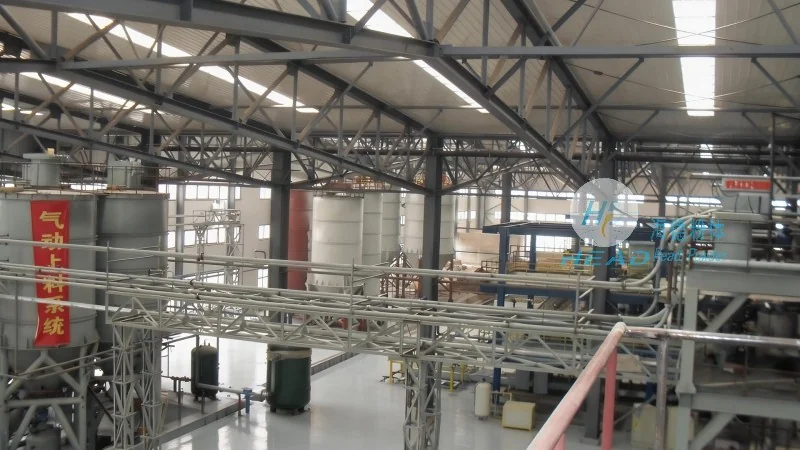
Understanding the Working Principle of Limestone Powder Granular Material Conveying Lines
The limestone powder granular material conveying line operates on a principle of continuous material movement from the source to the destination. At its core, the system typically consists of several interconnected components that work in harmony to ensure smooth and reliable operation. The process begins with the material being fed into the system, often through a hopper or feeder that regulates the flow rate. This initial step is critical for maintaining consistent material delivery and preventing blockages or overloading of downstream equipment.
Once the material is fed into the system, it is transferred to the primary conveying mechanism. For limestone powder granular materials, common conveying methods include screw conveyors, belt conveyors, and pneumatic conveying systems. Each method has its own advantages and is selected based on factors such as material characteristics, distance to be conveyed, and environmental considerations. For instance, screw conveyors are ideal for horizontal or slight incline transport, while belt conveyors are suitable for longer distances and heavier loads. Pneumatic conveying, on the other hand, uses air pressure to move the material, making it suitable for fine powders that might be prone to dust issues.
The conveying mechanism then transports the limestone powder granular material through a series of sections, including bends, transitions, and possibly intermediate storage or processing units. These components are designed to maintain the integrity of the material and ensure minimal degradation or segregation. The system may also incorporate sensors and control systems to monitor parameters such as flow rate, pressure, and temperature, allowing for real-time adjustments and optimization of the conveying process.

Key Features of Limestone Powder Granular Material Conveying Lines
Shandong HeadPowder Engineering Co., Ltd. designs and manufactures limestone powder granular material conveying lines with a focus on several key features that enhance performance and reliability. One of the primary features is the robust construction of the equipment, which is built to withstand the abrasive nature of limestone powder and the continuous operational demands of industrial environments. The use of high-quality materials, such as stainless steel or corrosion-resistant alloys, ensures durability and longevity, reducing the need for frequent maintenance or replacement.
Another important feature is the system's adaptability. Modern conveying lines are designed to accommodate a wide range of limestone powder granular materials, including different particle sizes, moisture contents, and chemical compositions. This flexibility allows the system to be used in various industries, such as cement production, mining, and construction, where limestone is a critical raw material. The ability to customize the system according to specific operational requirements ensures optimal performance and cost-effectiveness.
Efficiency is a critical feature of these conveying lines, as it directly impacts production output and operational costs. The system is engineered to minimize energy consumption while maximizing material throughput. Advanced control systems and variable speed drives help regulate the conveying speed based on the material flow, preventing energy waste and ensuring consistent performance. Additionally, the integration of dust control measures, such as enclosed conveyor systems and filtration units, helps maintain a clean and safe working environment, reducing the risk of dust-related health issues and equipment damage.

Reliability and ease of maintenance are also key considerations in the design of limestone powder granular material conveying lines. The modular construction of the system allows for easy access to components for inspection, cleaning, or repair, minimizing downtime and maximizing operational uptime. Regular maintenance procedures, such as lubrication of moving parts and inspection of conveyor belts or screw elements, are straightforward and can be performed by trained personnel, ensuring the system remains in optimal condition.
Applications and Benefits in Industrial Settings
Limestone powder granular material conveying lines are widely used in various industrial applications where the efficient handling of limestone is essential. In the cement industry, for example, these systems are used to transport limestone from storage silos to grinding mills, ensuring a steady supply of raw material for cement production. The consistent flow of limestone powder helps maintain the quality and consistency of the final cement product, which is critical for meeting industry standards and customer requirements.

In the mining sector, limestone powder granular material conveying lines are used to transport crushed limestone from processing plants to storage facilities or for further processing. The ability to handle large volumes of material efficiently reduces transportation costs and improves overall operational efficiency. Additionally, the system's ability to handle abrasive materials without significant wear and tear extends the lifespan of the equipment, reducing long-term maintenance costs.
In the construction industry, limestone powder granular material conveying lines are used in the production of lime and other building materials. The system's ability to handle fine powders and maintain consistent particle size distribution is crucial for producing high-quality building materials. The reliable operation of the conveying line ensures that the production process remains uninterrupted, leading to increased productivity and profitability for construction companies.
Conclusion
Shandong HeadPowder Engineering Co., Ltd. provides advanced limestone powder granular material conveying lines that combine efficient working principles with robust features to meet the demands of modern industrial operations. By understanding the working principle and key features of these systems, industries can make informed decisions about their material handling solutions, ensuring optimal performance, reliability, and cost-effectiveness. The adaptability, efficiency, and durability of these conveying lines make them an essential component in various industrial applications, contributing to improved productivity and operational success.