

Principle and Working Scene Characteristics of Dry Denitration
Denitration is a critical process in industrial emissions control, focusing on reducing nitrogen oxides (NOx) from combustion sources. Dry denitration stands out as a key technology within this domain, offering unique advantages and operational characteristics that make it suitable for diverse industrial applications. This article delves into the fundamental principles of dry denitration and highlights its working scene characteristics, providing insights into its practical implementation and benefits.
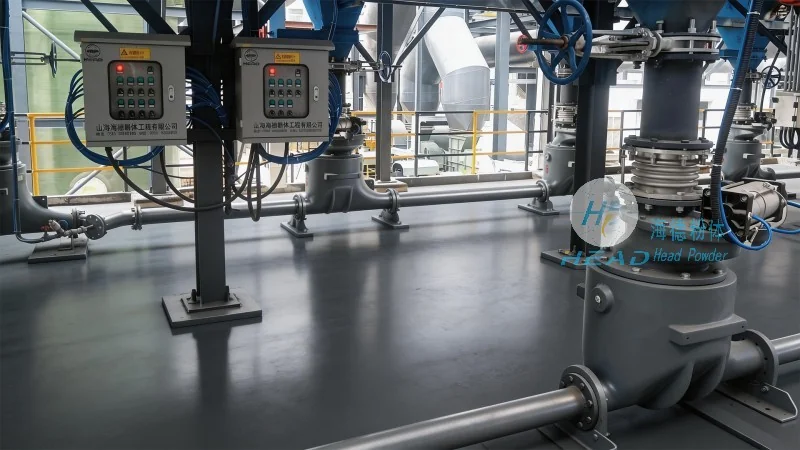
Understanding the Principle of Dry Denitration
Dry denitration primarily relies on dry sorbents or catalysts to remove NOx from flue gases. The core principle centers on chemical reactions that convert NOx into less harmful compounds, such as nitrogen gas (N₂) and water (H₂O). Unlike wet denitration processes that depend on liquid absorbents, dry denitration utilizes solid materials, which can be more efficient under certain conditions and require less water consumption. The process typically involves injecting dry sorbents into the flue gas stream, where they react with NOx under specific temperature and humidity conditions. This reaction can be catalytic or non-catalytic, depending on the chosen sorbent and operational parameters. The effectiveness of dry denitration is influenced by factors like the type of sorbent, reaction temperature, and the presence of other gases in the flue stream. For example, some dry sorbents, such as calcium-based materials, react with NOx to form calcium nitrate or nitrite, which can then be further processed or disposed of. The overall goal is to achieve high NOx removal efficiency while maintaining operational stability and minimizing byproduct generation.

Key Working Scene Characteristics of Dry Denitration
The working scene characteristics of dry denitration are shaped by its application in different industrial settings. These characteristics include operational flexibility, adaptability to varying emission loads, and the ability to integrate with existing combustion systems. One of the notable features is the compactness of dry denitration systems, which can be installed in confined spaces or retrofitted into existing plants without major structural modifications. This makes it suitable for both new installations and upgrades in industrial facilities. The technology also offers a relatively low operating cost compared to wet denitration, as it reduces water and chemical usage. However, the performance of dry denitration can be affected by the quality of the flue gas, such as the presence of sulfur dioxide (SO₂), which may interfere with the sorbent's effectiveness. In such cases, pre-treatment or the use of sorbents with higher resistance to SO₂ may be required. Additionally, the process may generate solid residues that need proper handling and disposal, which is an important consideration in the working scene. The working scene also encompasses the need for precise control of reaction conditions, including temperature and humidity, to ensure optimal NOx removal. This often requires advanced monitoring and control systems to maintain consistent performance across different operating conditions.

Application Scenarios and Industry Adaptation
Dry denitration is widely applied in various industrial sectors, including power generation, cement production, and industrial boilers. In power plants, especially those using coal or natural gas, dry denitration systems are integrated into the flue gas treatment process to meet stringent NOx emission regulations. The technology's ability to handle high-volume gas flows and maintain consistent removal efficiency makes it ideal for large-scale power generation facilities. In the cement industry, where combustion of raw materials and fuels generates significant NOx emissions, dry denitration is used to comply with environmental standards while supporting the production process. The working scene in cement plants often involves high-temperature flue gases, which can affect the choice of sorbent and the design of the denitration system. Industrial boilers in manufacturing and processing industries also benefit from dry denitration, as it provides a cost-effective solution for reducing NOx emissions without compromising operational efficiency. The adaptability of dry denitration to different fuel types and combustion conditions is a key factor in its widespread adoption across various industries. Moreover, the technology's modular design allows for scaling up or down based on the specific requirements of the application, making it suitable for both small and large-scale operations.

Operational Considerations and Performance Optimization
Implementing dry denitration requires careful consideration of operational parameters to ensure optimal performance and long-term reliability. The selection of the appropriate dry sorbent is critical, as different materials have varying reactivity and capacity for NOx removal. For example, some sorbents are more effective at lower temperatures, while others perform better at higher temperatures. The working scene also involves the need to maintain the sorbent's activity over time, which may require periodic regeneration or replacement. This is particularly important in continuous operation where the sorbent's capacity can be depleted. Monitoring the flue gas composition and the sorbent's performance is essential for adjusting operational parameters and ensuring consistent NOx removal efficiency. Advanced sensors and control systems can help in real-time monitoring and adjustment, improving the overall performance of the dry denitration system. Additionally, the integration of dry denitration with other emission control technologies, such as desulfurization, can enhance overall system efficiency and reduce the environmental impact. The working scene may also involve compliance with local and national regulations, which dictate the required NOx removal rates and operational standards. Meeting these regulatory requirements while maintaining cost-effectiveness is a key challenge in the implementation of dry denitration. Through proper design, operation, and maintenance, dry denitration can achieve high NOx removal rates, often exceeding 90% in some applications, making it a viable solution for industrial emissions control.