

Principles and Application Scenarios of Cement Pneumatic Conveying
Cement pneumatic conveying is a widely adopted method for transporting bulk cement and other powders in industrial settings. The core principle revolves around using a stream of air to move solid particles through a pipeline. This technology eliminates the need for traditional mechanical conveyors, such as belt or screw conveyors, offering advantages in terms of hygiene, flexibility, and reduced maintenance. The process typically involves creating a pressure differential between the inlet and outlet of the conveying line. By injecting air into the system, the air velocity is increased to a level that overcomes the gravitational and frictional forces acting on the cement particles. This results in the particles being entrained and transported efficiently through the pipeline.

The working principle of cement pneumatic conveying can be categorized into two main types: pressure and vacuum systems. In pressure systems, air is compressed and introduced at the conveying point, pushing the material forward. Vacuum systems, on the other hand, use a vacuum pump to create a negative pressure at the receiving end, drawing the material from the source. The choice between these systems depends on factors like the distance to be covered, the volume of material to be conveyed, and the specific characteristics of the cement being handled. For instance, pressure systems are often preferred for short to medium distances and high-volume applications, while vacuum systems are suitable for longer distances or when the material needs to be transported from multiple sources to a single destination.
One of the key advantages of cement pneumatic conveying is its ability to handle dusty environments effectively. Unlike mechanical conveyors, which can generate significant dust and require additional dust control measures, pneumatic systems can be designed with sealed pipelines that minimize dust emissions. This not only improves workplace safety but also reduces the risk of product contamination. Additionally, the flexibility of pneumatic conveying allows for easy integration with existing industrial infrastructure. The pipelines can be installed in various configurations, including vertical, horizontal, or even inclined paths, adapting to the layout of the facility. This adaptability is particularly beneficial in complex production environments where space is limited or where the layout needs to be modified over time.
Common Application Scenarios in Cement Industry
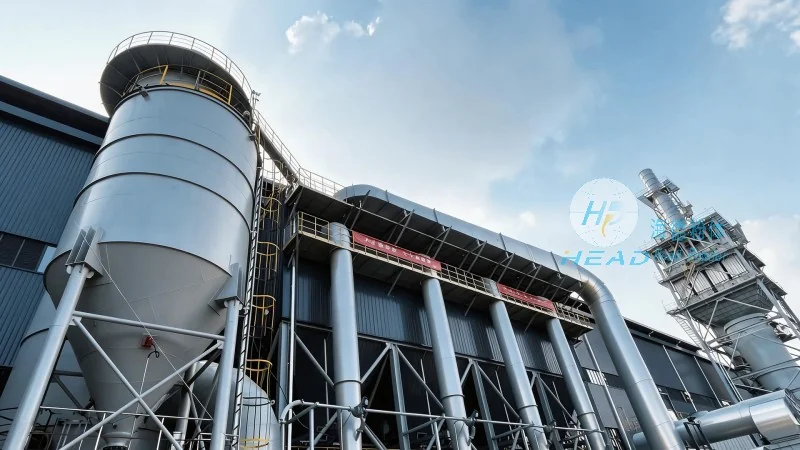
In the cement industry, cement pneumatic conveying is utilized in several critical processes. One primary application is the transport of raw materials from storage silos to the grinding mills. This step is crucial for preparing the raw materials for the cement production process. By using pneumatic conveying, the raw materials can be moved efficiently and with minimal dust, ensuring consistent quality in the final cement product. Another common scenario is the transfer of finished cement from the storage silos to the packaging or loading areas. This application is essential for maintaining a smooth supply chain, especially in large-scale cement plants where the demand for cement is high and the need for rapid delivery is critical.
Furthermore, cement pneumatic conveying is employed in the handling of additives and supplementary materials, such as fly ash or slag, which are often used to enhance the properties of the cement. These materials are typically stored in separate silos and need to be blended with the cement at specific ratios. The pneumatic system allows for precise control over the flow rate and mixing process, ensuring that the additives are incorporated uniformly. This precision is vital for achieving the desired cement strength and durability. In addition, the technology is used in the maintenance and repair of cement plants, where it can be employed to transport spare parts or tools to different locations within the facility without disrupting the main production lines.
Advantages and Considerations for Implementing Cement Pneumatic Conveying Systems
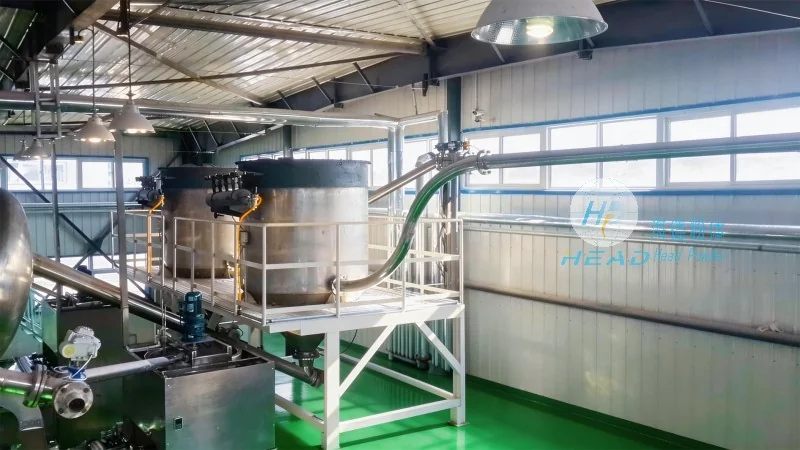
Implementing a cement pneumatic conveying system offers several benefits that make it an attractive option for many industrial operations. As mentioned earlier, the system provides a dust-free environment, which is essential for maintaining a safe and healthy workplace. This is particularly important in the cement industry, where dust can be a major health hazard for workers. Additionally, the system reduces the risk of product contamination, as the sealed pipelines prevent the cement from coming into contact with external contaminants. This is crucial for maintaining the quality and consistency of the cement, which is critical for its performance in construction applications.
Another significant advantage is the flexibility and scalability of the system. The pipelines can be easily extended or modified to accommodate changes in production volume or facility layout. This makes it suitable for both new and existing cement plants, allowing for future expansion without the need for major infrastructure overhauls. Furthermore, the system requires less maintenance compared to traditional mechanical conveyors. Since there are no moving parts in the conveying line, the risk of wear and tear is reduced, leading to lower maintenance costs and longer equipment lifespan.

However, there are also some considerations to keep in mind when implementing cement pneumatic conveying systems. One of the main challenges is the potential for material degradation due to high air velocities or pressure differentials. This can lead to the breakdown of the cement particles, affecting their quality and performance. To mitigate this, the system design must consider the specific characteristics of the cement, such as its particle size and moisture content. Additionally, the system requires proper air filtration and cleaning to prevent the buildup of dust in the pipelines, which can cause blockages and reduce the efficiency of the system. Regular maintenance and monitoring are essential to ensure the system operates at optimal performance levels.
Conclusion
Cement pneumatic conveying is a reliable and efficient method for transporting cement and other powders in industrial settings. By understanding the principles and application scenarios of this technology, companies can make informed decisions about implementing the appropriate system for their specific needs. The benefits, including improved safety, reduced contamination, and enhanced flexibility, make it a valuable investment for cement manufacturers and other bulk material handlers. As the demand for efficient and sustainable material handling solutions continues to grow, cement pneumatic conveying is likely to remain a key technology in the industry.