

Principle and Working Scene Characteristics of Negative Pressure Vacuum Pneumatic Conveying Systems
Shandong HeadPowder Engineering Co., Ltd. is a professional manufacturer and supplier of pneumatic conveying systems, with its headquarters located in Shandong, China. The company specializes in the design, development, and installation of advanced material handling solutions tailored to various industrial applications.

Negative Pressure Vacuum Pneumatic Conveying Systems: An Overview
HeadPowder Engineering offers a range of negative pressure vacuum pneumatic conveying systems, which are engineered to efficiently transport bulk materials over short to medium distances. These systems operate on the principle of creating a negative pressure environment, typically using a vacuum pump to draw material from a source into a collection or processing unit. The technology is particularly effective for handling fine powders, granules, and other dry bulk materials, ensuring minimal product degradation and contamination during the conveying process.
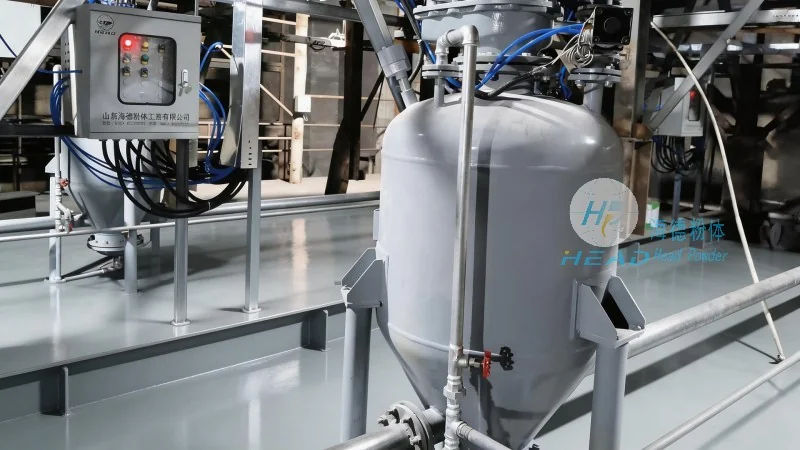
The Working Principle of Negative Pressure Pneumatic Conveying
The core of a negative pressure vacuum system lies in its ability to generate a pressure differential. A vacuum pump is connected to a pipeline system, creating a low-pressure zone that pulls material from the source. The material is then carried through the pipeline by the induced airflow, which is typically filtered to prevent dust and particles from escaping into the environment. This method ensures that the conveying process is clean and efficient, with the vacuum pump maintaining a consistent pressure to ensure smooth material flow.

Key Characteristics and Applications in Diverse Industries
Negative pressure pneumatic conveying systems are widely used across various industries due to their versatility and efficiency. In the chemical industry, these systems are employed to transport raw materials and finished products, ensuring compliance with stringent safety and environmental regulations. The food and pharmaceutical sectors benefit from the system's ability to maintain sterile conditions and prevent cross-contamination, as the enclosed pipeline and filtration systems minimize the risk of product exposure to external elements. Additionally, in the agricultural and mining industries, the systems are used to handle bulk materials such as grains, ores, and fertilizers, providing a cost-effective solution for material transport.

Advantages of Negative Pressure Vacuum Conveying
One of the primary advantages of negative pressure systems is their ability to handle fine and dusty materials without the need for high-pressure air. This reduces wear and tear on equipment and minimizes the risk of material blockages. Furthermore, the system's enclosed design helps in maintaining a clean and safe working environment, as the vacuum pump draws material into the system rather than expelling it. This feature is particularly beneficial in industries where dust control is critical, such as food processing and pharmaceutical manufacturing. The systems also offer flexibility in terms of layout, allowing for horizontal, vertical, or inclined pipe configurations to accommodate different facility layouts.