

Principle and Operational Features of Foam Pneumatic Conveying Systems
HeadPowder, a leading provider in the field of powder handling technology, specializes in advanced solutions such as foam pneumatic conveying systems. This article delves into the fundamental principles behind foam pneumatic conveying and explores the key operational characteristics and application scenarios of these systems, highlighting their efficiency and versatility in modern industrial processes.
Introduction to Foam Pneumatic Conveying
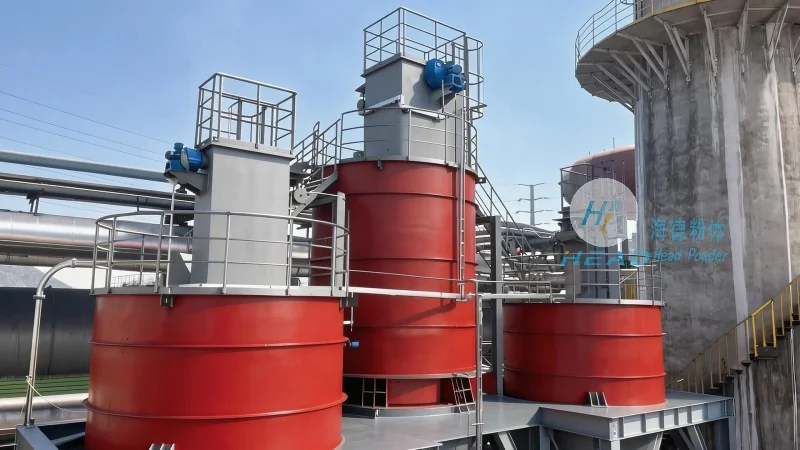
At the core of foam pneumatic conveying is the use of a foam medium to transport bulk powders through a pipeline. This method combines the principles of pneumatic conveying with the unique properties of foam, creating a highly effective means of moving dry materials without direct contact with the conveying line. The system typically involves a foam generator that creates a stable foam mixture, which is then introduced into the conveying line along with the powder material. As the foam travels through the pipeline, it acts as a carrier, suspending the powder particles and facilitating their movement. This approach offers significant advantages over traditional pneumatic conveying methods, particularly in terms of reduced wear on equipment and improved material handling capabilities.

Key Working Principles of Foam Pneumatic Conveying
The operation of a foam pneumatic conveying system is governed by several critical principles that ensure efficient material transport. First, the foam generator produces a stable foam by mixing air or gas with a liquid, typically water or a specialized foam solution. This foam has a low density and high viscosity, which allows it to effectively suspend and transport powder particles. The foam acts as a fluid medium, reducing the friction between the powder particles and the pipeline walls, thereby minimizing abrasion and wear. Additionally, the foam's ability to maintain a uniform flow ensures consistent material transport rates, which is crucial for maintaining process stability. The system also incorporates a pressure control mechanism to regulate the foam-air ratio, ensuring optimal performance under varying load conditions. This control is essential for maintaining the stability of the foam and preventing issues such as foam collapse or excessive pressure buildup.
Operational Features and Advantages
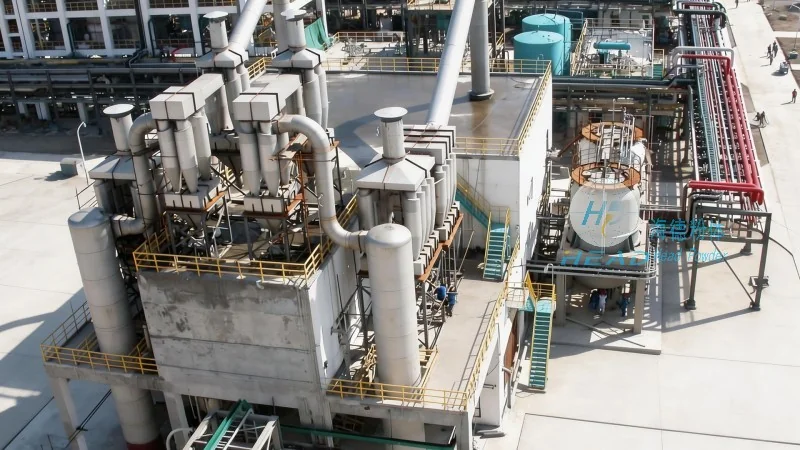
One of the most notable operational features of foam pneumatic conveying systems is their ability to handle a wide range of powder types, from fine powders to bulk materials, without the need for pre-drying or conditioning. The foam medium provides excellent suspension properties, allowing even cohesive or sticky powders to be transported smoothly. This makes the system particularly suitable for applications involving sensitive or valuable materials, where traditional conveying methods may cause degradation or loss. Another key advantage is the reduced energy consumption compared to other pneumatic conveying systems. By using a foam medium, the system can achieve higher material throughput with lower air pressure, resulting in significant energy savings. Furthermore, the foam pneumatic conveying system offers enhanced safety features, as it eliminates the need for direct human contact with the material during transport. The enclosed pipeline design prevents dust emissions and ensures a clean working environment, which is vital in industries such as pharmaceuticals, food processing, and chemical manufacturing.
Application Scenarios and Industry Use Cases
Foam pneumatic conveying systems are widely used across various industries due to their adaptability and efficiency. In the pharmaceutical industry, these systems are employed to transport active pharmaceutical ingredients (APIs) and other sensitive powders, ensuring that the materials remain uncontaminated and in their original state. The gentle handling provided by the foam medium prevents particle degradation, which is critical for maintaining product quality and efficacy. In the food processing sector, foam pneumatic conveying is utilized for transporting dry ingredients such as flour, sugar, and spices. The system's ability to handle hygroscopic materials without moisture absorption makes it ideal for maintaining product freshness and preventing spoilage. The chemical industry also benefits from foam pneumatic conveying, as it allows for the transport of reactive powders and hazardous materials in a controlled environment. The system's enclosed design and pressure control features minimize the risk of accidents and ensure compliance with safety regulations. Additionally, in the mining and mineral processing industry, foam pneumatic conveying is used to transport bulk minerals and ores from processing plants to storage facilities. The high throughput and low maintenance requirements of these systems make them a cost-effective solution for large-scale material handling.
Conclusion and Company Overview
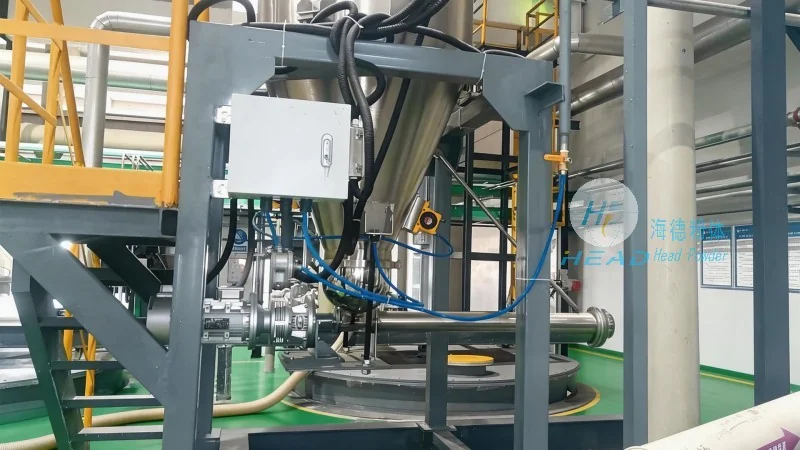
Foam pneumatic conveying systems represent a sophisticated and efficient solution for bulk powder handling, offering significant advantages over traditional methods. The principles of foam generation and material suspension, combined with advanced control mechanisms, ensure reliable and consistent performance in various industrial applications. HeadPowder, with its expertise in powder handling technology, provides comprehensive solutions that cater to the diverse needs of modern industries. By leveraging the operational features and advantages of foam pneumatic conveying, companies can enhance their material handling processes, improve product quality, and reduce operational costs. As the demand for efficient and safe powder transport continues to grow, foam pneumatic conveying systems remain a vital component in the evolution of industrial material handling.