

Principles and Working Scene Characteristics of Cocoa Powder Conveying Systems
HeadPowder, a leading provider in the field of powder handling technology, specializes in the design, manufacturing, and implementation of advanced conveying systems for various industrial applications. With a focus on efficiency, reliability, and innovation, the company's solutions cater to the unique challenges of transporting fine powders like cocoa, ensuring optimal performance in diverse operational environments. The company, based in Shandong, China, has established itself as a trusted partner for industries requiring high-quality, customized powder handling solutions.


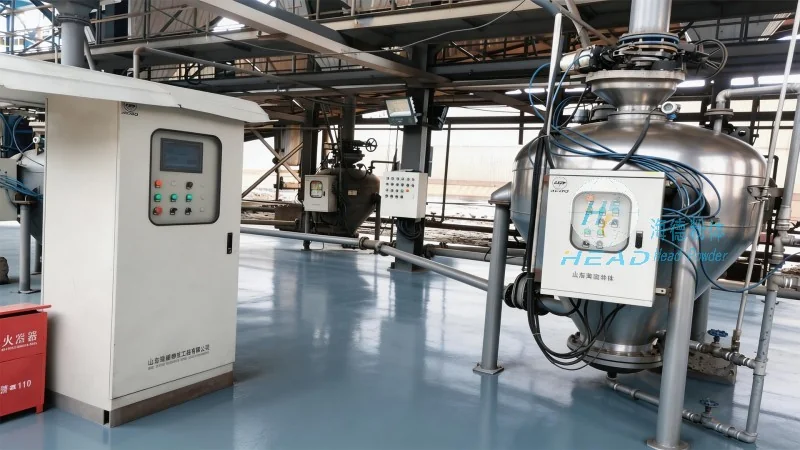

Understanding the Core Principles of Cocoa Powder Conveying Systems
The fundamental principle behind cocoa powder conveying systems lies in the efficient transfer of fine particulate materials from one location to another while maintaining product integrity. These systems are engineered to handle the specific properties of cocoa powder, such as its fine particle size (typically 10-100 microns), hygroscopic nature, and susceptibility to caking or agglomeration. The design incorporates advanced mechanisms to prevent material degradation, ensure consistent flow rates, and minimize energy consumption. Key components include feeders, conveyors, and control systems that work in tandem to achieve seamless material movement. The technology employed may vary, including pneumatic, mechanical, or hybrid systems, each tailored to the specific requirements of the application. For instance, pneumatic conveying systems use air pressure to transport cocoa powder, while mechanical systems rely on screw or belt mechanisms. The choice of system depends on factors like the volume of material, distance of transport (ranging from a few meters to several hundred meters), and the need for gentle handling to preserve the quality of the cocoa powder. Pneumatic systems are particularly effective for long-distance transport and can handle high volumes of material, whereas mechanical systems are often preferred for short-distance, low-volume applications where space constraints are a factor. The core principle is to maintain the physical and chemical properties of the cocoa powder throughout the conveying process, which is crucial for maintaining the flavor, aroma, and texture of the final chocolate products.