

Principle and Working Scene Characteristics of Pigment Powder Conveying System Equipment
Understanding the fundamental principles and operational characteristics of pigment powder conveying systems is crucial for industries that rely on efficient material handling and processing. These systems are engineered to manage the transport of pigments, which are essential components in various manufacturing applications, from coatings and inks to plastics and ceramics. The design and functionality of these systems directly impact productivity, safety, and the overall quality of the end products.

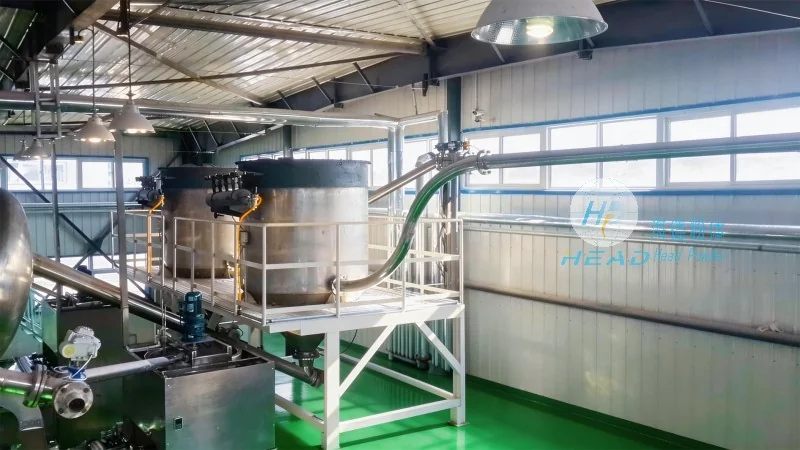
Core Principles of Pigment Powder Conveying Systems
The operation of pigment powder conveying systems is based on several key principles that ensure reliable and consistent material transport. One of the primary mechanisms involves the use of pneumatic or mechanical methods to move dry powders through a network of pipes or hoses. Pneumatic conveying, for instance, utilizes compressed air to create a flow that propels the pigment particles. This method is particularly effective for handling fine powders and can be tailored to different particle sizes and moisture levels. Mechanical systems, such as screw conveyors or belt conveyors, offer alternative solutions, especially in applications where air quality or particle contamination is a concern. The choice between pneumatic and mechanical systems often depends on factors like the material's properties, the required conveying distance, and the environmental conditions of the workplace.

Working Scene Characteristics and Applications
Pigment powder conveying systems are deployed in diverse industrial settings, each with unique requirements that shape their design and performance. In the coatings industry, for example, these systems are used to transport pigments from storage silos to mixing and application equipment. The ability to maintain consistent particle size distribution and prevent agglomeration is critical here, as it directly affects the color and texture of the final coating. Similarly, in the printing industry, efficient conveying ensures that pigments are delivered to ink manufacturing lines without degradation or contamination. The systems must also accommodate varying batch sizes and production speeds, making flexibility a key characteristic. In the plastics and rubber sectors, pigment powder conveyors are integral to the compounding process, where they feed raw materials into extrusion or mixing equipment. The high-speed and high-volume capabilities of these systems are essential for meeting production demands in these fast-paced environments.

Company Overview: Shandong HeadPowder Engineering Co., Ltd.
HeadPowder, a leading manufacturer in the field of powder handling solutions, specializes in the design, development, and implementation of advanced pigment powder conveying systems. With a strong focus on innovation and customer-centric solutions, the company has established itself as a trusted partner for industries seeking reliable and efficient material transport solutions. HeadPowder's products are engineered to meet the specific needs of clients, ensuring optimal performance and durability in demanding operational environments. The company's commitment to quality and technological advancement has enabled it to serve a wide range of sectors, including coatings, printing, plastics, and ceramics. HeadPowder's headquarters are located in Shandong, China, where the company leverages local expertise and resources to deliver cutting-edge solutions tailored to global market demands.