

Principle and Working Scene Characteristics of Monosodium Glutamate Powder Material Handling
Monosodium glutamate (MSG) powder is a widely used flavor enhancer in the food industry, and efficient material handling is crucial for its production, storage, and distribution processes. The principle of material handling for MSG powder involves specialized equipment designed to handle fine, hygroscopic powders, ensuring minimal dust generation, consistent flow, and safe operation. This article explores the underlying principles of MSG powder material handling and highlights the key characteristics of its working scenes, providing insights into the technology and applications used in the industry.


The Core Principles of MSG Powder Material Handling
The primary principle behind MSG powder material handling is the use of equipment that can effectively convey fine powders without causing agglomeration, caking, or excessive dust. Key principles include: maintaining a consistent flow rate to prevent material buildup or blockages; using sealed systems to control dust and moisture exposure; and employing gentle handling methods to preserve the powder's quality and prevent degradation. The selection of appropriate equipment, such as screw conveyors, pneumatic conveyors, or bucket elevators, depends on factors like the material's properties, production scale, and operational environment. For MSG powder, which is hygroscopic and prone to sticking, equipment with smooth surfaces and anti-static features is essential to ensure reliable and efficient transport. For instance, screw conveyors use rotating helical blades to move the powder forward, while the smooth interior reduces friction and prevents agglomeration. Pneumatic conveyors, on the other hand, utilize air pressure to transport the powder through a sealed pipeline, minimizing dust exposure and ensuring consistent flow. The choice of equipment depends on factors such as the production volume, the distance the material needs to be transported, and the need for dust control. In large-scale industrial settings, a combination of both mechanical and pneumatic systems may be employed to optimize performance and reliability. Additionally, the importance of maintaining a consistent flow rate cannot be overstated, as fluctuations can lead to uneven processing and potential equipment damage. By adhering to these principles, material handling systems for MSG powder ensure that the product remains in optimal condition throughout the entire process.

Working Scene Characteristics of MSG Powder Material Handling
The working scenes for MSG powder material handling vary across different industrial applications, each with unique requirements and challenges. In food processing facilities, the primary goal is to maintain hygiene and prevent contamination, so equipment is typically made of stainless steel, easy to clean, and equipped with dust collection systems. For example, in a MSG production plant, the material handling system may involve a series of screw conveyors to transport the powder from the mixing area to the packaging line, with each conveyor section designed to maintain a consistent flow rate. The use of sealed containers and enclosed conveyors further reduces the risk of dust exposure, ensuring a safe working environment for employees. In contrast, in chemical or pharmaceutical plants, the emphasis shifts to precision and control. Here, automated dosing systems and advanced monitoring equipment are used to ensure accurate measurement and delivery of the MSG powder. The working scene may include multiple processing stages, such as grinding, sieving, and blending, each requiring specialized handling equipment. The scale of operations also plays a role, with large-scale facilities often employing continuous conveyor systems to handle high volumes of material, while smaller plants may use batch processing with manual or semi-automated handling. Furthermore, the need for flexibility in handling different product batches or raw materials often leads to the integration of multiple handling systems. For instance, a facility might use a pneumatic conveyor for short-distance transport and a screw conveyor for longer distances, combining the benefits of both systems to achieve optimal efficiency. The working scene is thus dynamic, adapting to the specific requirements of each production stage while maintaining the quality and integrity of the MSG powder.
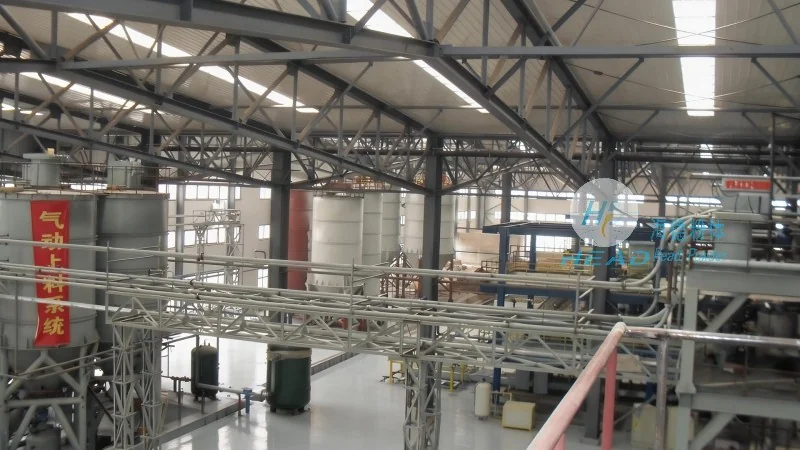
Company Profile: Shandong HeadPowder Engineering Co., Ltd.
HeadPowder, formally known as Shandong HeadPowder Engineering Co., Ltd., is a prominent manufacturer and supplier of material handling equipment for the food and chemical industries. Headquartered in Shandong, China, the company has built a strong reputation for its innovative solutions tailored to the unique challenges of handling monosodium glutamate (MSG) powder. With a team of experienced engineers and technicians, HeadPowder focuses on developing equipment that addresses issues such as dust control, material flow consistency, and equipment durability. The company's product line includes a range of conveyors, elevators, and dust collection systems, all designed to meet the specific needs of the MSG industry. By leveraging advanced technology and practical application, HeadPowder ensures that its equipment not only meets but exceeds industry standards, providing long-term value to its clients. The company's commitment to quality and customer satisfaction has made it a trusted partner for businesses worldwide, helping them optimize their material handling processes and improve overall operational efficiency.