

Principles and Working Scene Characteristics of Lightweight Aggregate Material Conveying
Lightweight aggregate material conveying systems are critical components in various industrial and construction processes, particularly when dealing with materials such as expanded clay, perlite, vermiculite, or other lightweight aggregates. These systems are engineered to efficiently transport bulk materials over horizontal, inclined, or vertical paths, ensuring consistent flow and minimal material degradation. The fundamental objective is to maintain the material's properties while optimizing energy consumption and equipment longevity. Understanding the principles and working scene characteristics of these systems is essential for selecting the right equipment and achieving operational efficiency.

Key Principles of Material Conveying
The core principles of lightweight aggregate material conveying revolve around matching the material's physical characteristics with the appropriate conveying technology. For instance, the density, flowability, and abrasiveness of the aggregate determine whether a belt conveyor, screw conveyor, or pneumatic system is most suitable. Belt conveyors are widely used for horizontal or gentle incline transport due to their ability to handle large volumes with low maintenance. They are ideal for materials that are free-flowing and non-abrasive, such as expanded clay. Screw conveyors, on the other hand, excel in vertical or steep incline applications, providing consistent material flow and control. They are commonly used for materials with higher bulk density or those requiring precise dosing. Pneumatic conveyors, or air slides, are suitable for fine or dusty aggregates, utilizing air pressure to move particles through a pipeline. This method is particularly effective for materials that are prone to caking or require dust control, as it minimizes material contact with equipment surfaces.

Working Scene Characteristics: Industrial Manufacturing
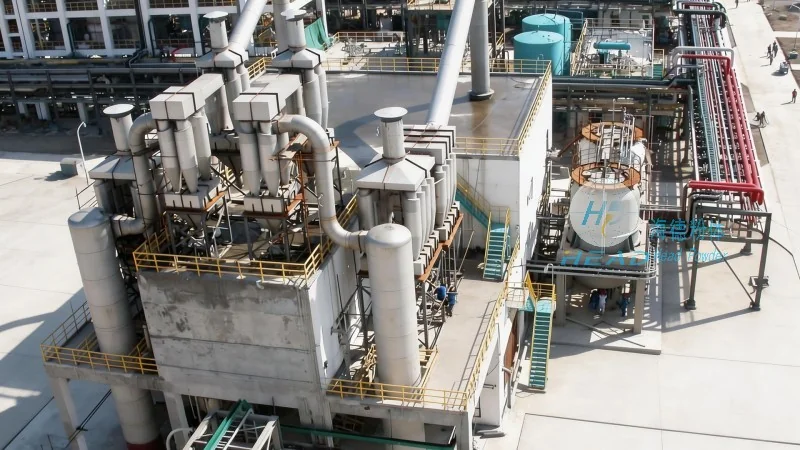
In industrial manufacturing settings, lightweight aggregate material conveying systems are integral to production lines, particularly in the production of lightweight concrete, insulation materials, or other composite products. The working scene characteristics in these applications include high production volumes, strict quality control, and the need for automated material handling. For example, in a lightweight concrete manufacturing plant, the system must transport aggregates from storage silos to the mixing plant at a consistent rate, ensuring that the concrete mix meets the required specifications. The system's reliability is crucial, as any downtime can disrupt the entire production process. Companies like Shandong HeadPowder Engineering Co., Ltd. design customized conveying systems that integrate with existing production lines, optimizing material flow and reducing operational costs. The working scene may also involve multiple stages, such as loading from trucks, transferring to storage, and then to the mixing station, requiring a coordinated system that maintains material integrity throughout.
Working Scene Characteristics: Mining and Quarry Operations
Mining and quarry operations present unique challenges for lightweight aggregate material conveying, as they involve handling large quantities of raw materials and dealing with abrasive or dusty conditions. The working scene characteristics in these applications emphasize durability, efficiency, and safety. For instance, in a quarry, the system may need to transport aggregates from the extraction site to storage silos or processing units, often over long distances and varying terrains. The equipment must be robust enough to withstand heavy loads and harsh environmental conditions, such as extreme temperatures or moisture. Pneumatic conveyors are commonly used in mining operations due to their ability to handle dusty materials and minimize the risk of material buildup in the system. Additionally, the system may need to integrate with other mining equipment, such as crushers or screens, to ensure a seamless material flow from extraction to processing. The working scene also includes considerations for material storage and handling, such as preventing contamination or ensuring proper ventilation to maintain air quality. Shandong HeadPowder Engineering Co., Ltd. specializes in designing durable and efficient conveying systems tailored to the demands of mining and quarry operations, ensuring reliable performance in challenging environments.
Working Scene Characteristics: Construction and Infrastructure Projects
Construction and infrastructure projects, including road building, bridge construction, and building development, rely on lightweight aggregate material conveying systems to transport aggregates to mixing stations or construction sites. The working scene characteristics in these applications vary based on the project scale, terrain, and material requirements. For example, in road construction, the system may need to transport aggregates from a nearby quarry to the construction site, often over long distances and uneven ground. The equipment must be portable or modular to adapt to different site conditions and can be easily reconfigured as the project progresses. Belt conveyors are commonly used in these scenarios due to their flexibility and ability to handle large volumes. In building construction, the system is used to move aggregates to the concrete mixing plant, where the speed and reliability of the conveyor directly impact the project timeline. The working scene may involve multiple stages, such as loading from trucks, transporting to storage, and then to the mixing station, requiring a coordinated system that ensures smooth material flow. Additionally, the system must comply with safety regulations, such as preventing material spillage or ensuring proper guarding to protect workers. Shandong HeadPowder Engineering Co., Ltd. provides customized solutions that meet the specific needs of construction projects, optimizing material handling and enhancing overall productivity.

Working Scene Characteristics: Environmental and Operational Efficiency
Environmental considerations and operational efficiency are key factors in the working scene characteristics of lightweight aggregate material conveying systems. In many applications, the system must be designed to minimize dust emissions and noise pollution, especially in urban or residential areas. This may involve using enclosed conveyor systems, dust suppression mechanisms, or low-noise equipment to comply with environmental regulations. The working scene also includes the need for energy-efficient operation, as it directly impacts operational costs and sustainability goals. Companies like Shandong HeadPowder Engineering Co., Ltd. focus on developing energy-efficient conveying systems that use advanced technology to reduce power consumption while maintaining performance. Additionally, the system's maintenance requirements are a critical aspect of the working scene, as regular maintenance ensures long-term reliability and reduces downtime. The working scene may involve integrating the system with monitoring tools to track performance and identify potential issues before they become major problems. This proactive approach enhances operational efficiency and extends the lifespan of the equipment. Overall, the working scene characteristics of lightweight aggregate material conveying systems are influenced by a combination of material properties, application requirements, and environmental factors, requiring a tailored approach to ensure optimal performance.