

Principles and Working Scene Characteristics of Textile Fiber Material Conveying Equipment
Shandong HeadPowder Engineering Co., Ltd., commonly known as headpowder, is a professional manufacturer and supplier based in Shandong, China. The company specializes in the research, development, and production of textile fiber material conveying equipment, focusing on providing efficient and reliable solutions for the textile industry.
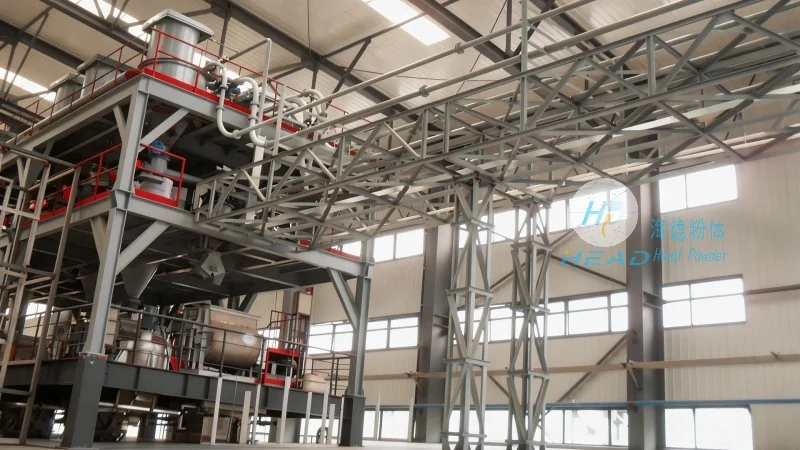

Principles of Textile Fiber Material Conveying Equipment
Textile fiber material conveying equipment operates based on mechanical principles to transport fibers, powders, or granules within production lines. The core components typically include a driving system, a conveying channel, and a control system. The driving system provides the necessary power to move the material, while the conveying channel ensures the material is guided along the desired path. Modern designs often incorporate adjustable speed controls and material flow sensors to optimize performance and prevent blockages. The equipment may use various mechanisms such as screw conveyors, belt conveyors, or pneumatic systems, depending on the specific characteristics of the fiber material and the production requirements.

Working Scene Characteristics of Textile Fiber Material Conveying Equipment
The working scene characteristics of textile fiber material conveying equipment are tailored to the specific needs of the textile industry. These characteristics include high efficiency in material handling, minimal material loss during transport, and compatibility with various fiber types, including natural fibers like cotton and synthetic fibers like polyester. The equipment is designed to operate in environments where dust control and material purity are critical, ensuring that the fibers remain intact and free from contamination. Additionally, the equipment is often integrated with other production machinery, such as spinning machines or weaving looms, to form a seamless production line. This integration enhances overall production efficiency and reduces downtime by minimizing the need for manual handling of raw materials.
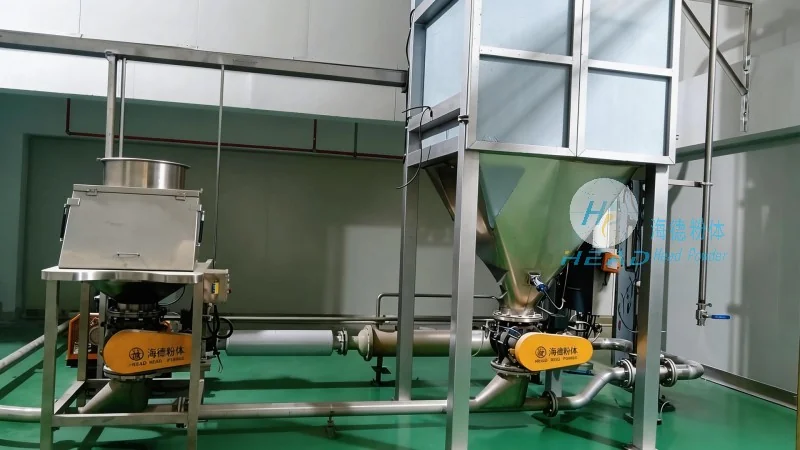
Application Scenarios and Advantages
Textile fiber material conveying equipment is widely used in various stages of textile production, from raw material handling to finished product processing. In the raw material stage, the equipment efficiently transports raw fibers from storage to processing units, ensuring a continuous supply of materials. During the processing stage, it helps in transferring fibers between different machines, such as from a carding machine to a spinning machine, with minimal disruption. The equipment's ability to handle different fiber types and its adaptability to varying production volumes make it a versatile solution for textile manufacturers. Furthermore, the equipment's design emphasizes durability and low maintenance, reducing operational costs and increasing the lifespan of the machinery. By improving material flow and reducing manual labor, the equipment contributes to higher productivity and better quality control in textile production.