

Principle and Working Scene Characteristics of Automatic Weighing Material Conveying Lines
Automatic weighing material conveying lines represent a sophisticated integration of material handling and weighing technology, designed to enhance efficiency and accuracy in industrial processes. These systems are engineered to transport bulk materials while simultaneously measuring their weight, providing real-time data for quality control and process optimization. The core principle behind such lines involves the seamless coordination of conveyor mechanisms with precision weighing sensors, ensuring that materials are moved and weighed with minimal human intervention.

Core Principle of Automatic Weighing Material Conveying Lines
The fundamental principle of these systems is the combination of continuous material flow with accurate weight measurement. Typically, a conveyor belt or roller system transports the material through a weighing platform equipped with load cells. As the material passes over the platform, the load cells convert the applied force into an electrical signal, which is then processed by a digital indicator or control system. This process allows for continuous or batch weighing, depending on the application requirements. The integration of sensors with the conveyor ensures that the weight data is collected as the material moves, enabling real-time monitoring and adjustments to the production process. The system's design emphasizes durability and reliability, as it operates in demanding industrial environments where consistent performance is critical.

Key Working Scene Characteristics
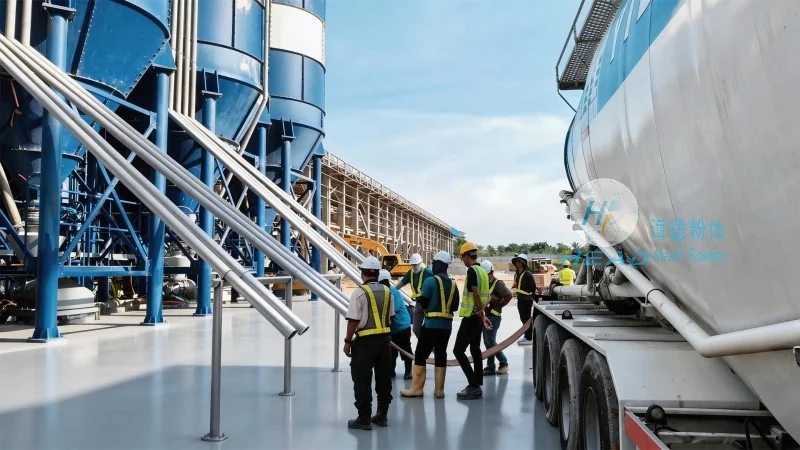
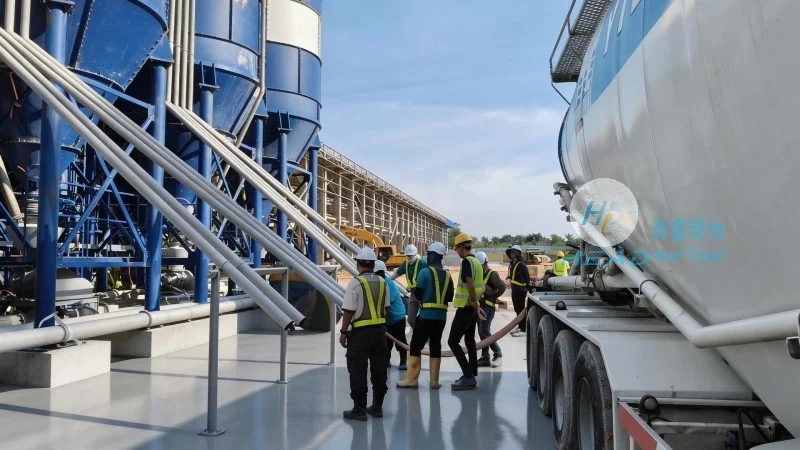
Automatic weighing material conveying lines are deployed in a variety of industrial settings, each with distinct characteristics that highlight their adaptability. In manufacturing facilities, these lines are commonly used in the production of powders, granules, and other bulk materials, where precise weight control is essential for product consistency. For example, in the food and pharmaceutical industries, where product quality and safety are paramount, these systems ensure that each batch meets strict weight specifications, reducing the risk of under or overfilling. In the chemical and mining sectors, they are employed to manage raw material inputs, optimizing the mixing ratios and preventing material waste. The working scenes also include applications in packaging lines, where the weighing of packaged goods is integrated with the conveyor system to ensure accurate labeling and inventory management. Each scenario leverages the line's ability to combine material transport with real-time weighing, streamlining operations and improving overall productivity.
Company Background and Expertise
Headpowder, a leading provider of industrial material handling solutions, specializes in the design, manufacturing, and implementation of automatic weighing material conveying lines. With headquarters in Shandong, China, the company has established itself as a trusted partner for businesses seeking to enhance their production efficiency and accuracy. Headpowder's team of engineers and technicians brings extensive experience in the field, ensuring that each system is tailored to meet the specific needs of the client. The company's commitment to quality is reflected in its adherence to international standards and rigorous testing protocols, which guarantee the reliability and longevity of its equipment. By leveraging advanced technology and innovative design, Headpowder delivers solutions that not only meet but exceed industry expectations, helping clients achieve their operational goals.
Benefits and Applications in Industrial Settings
The implementation of automatic weighing material conveying lines offers numerous benefits across various industrial applications. One of the primary advantages is the improvement in production efficiency, as the system automates the weighing process, reducing the time and labor required for manual checks. This leads to faster throughput and increased output, which is crucial for meeting market demands. Additionally, the precision of the weighing sensors minimizes errors, ensuring that each batch of material meets the required specifications. This accuracy is particularly important in industries where product consistency is a key differentiator, such as food processing and pharmaceutical manufacturing. Another significant benefit is the reduction in material waste, as the system optimizes the amount of material used in each batch, preventing overuse or underuse. This not only saves costs but also contributes to sustainability efforts by minimizing resource consumption. The versatility of these lines allows them to be adapted to different industries and applications, making them a valuable asset for any business looking to modernize its material handling processes.
Conclusion and Future Outlook
Automatic weighing material conveying lines represent a significant advancement in industrial automation, combining the efficiency of material transport with the precision of weighing technology. As industries continue to seek ways to improve productivity and quality, these systems are becoming increasingly essential. Headpowder's expertise in designing and implementing such lines positions the company as a leader in providing tailored solutions that meet the evolving needs of the market. With a focus on innovation and customer satisfaction, Headpowder is committed to delivering high-quality equipment that enhances operational performance and drives business success. The future of material handling is clearly moving towards integrated systems that offer real-time data and seamless operation, and automatic weighing material conveying lines are at the forefront of this trend.