

Principle and Working Scene Characteristics of Iron Powder Material Conveying Lines
Iron powder material conveying lines are essential industrial equipment designed to transport iron powder efficiently and safely. These systems are widely used in various manufacturing and processing industries, playing a crucial role in material handling and production workflows. The core principle of iron powder conveying lines involves the use of specialized mechanisms to move iron powder from one location to another, ensuring consistent and reliable material flow. This article explores the fundamental principles behind these conveying systems and highlights key working scene characteristics that make them indispensable in modern industrial operations.

Company Overview: Shandong HeadPowder Engineering Co., Ltd.
HeadPowder, a leading manufacturer in the field of material handling solutions, specializes in the design, development, and production of advanced iron powder conveying lines. With a strong commitment to quality and innovation, the company has established itself as a trusted partner for businesses seeking efficient and reliable material transport solutions. HeadPowder's facilities are located in Shandong, China, where the company leverages local resources and expertise to deliver high-performance conveying systems tailored to specific industry needs. The company's focus on customer satisfaction and technological advancement has enabled it to serve a diverse range of clients across different sectors, including chemical, pharmaceutical, and food processing industries.
The Principle of Iron Powder Material Conveying Lines
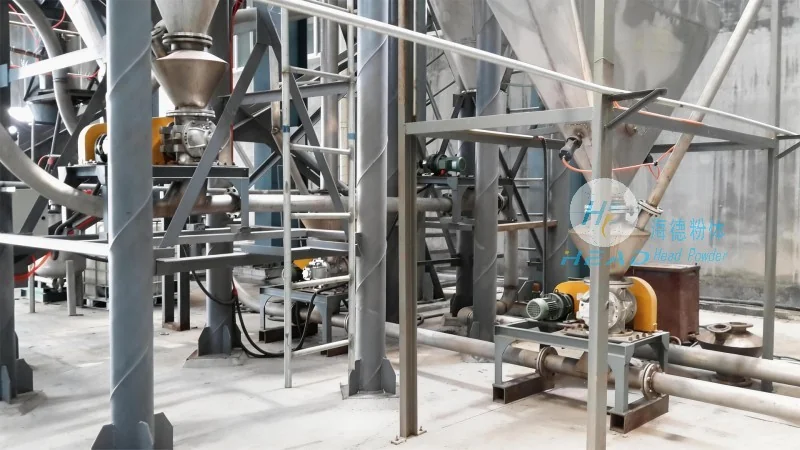
The operation of iron powder material conveying lines is based on several key principles that ensure optimal performance. One of the primary mechanisms is the use of pneumatic conveying systems, which utilize compressed air to move iron powder through pipelines. This method is particularly effective for handling fine powders like iron powder, as it minimizes product degradation and ensures a smooth flow. Additionally, mechanical conveying systems, such as screw conveyors and belt conveyors, are often employed to transport larger quantities of iron powder over longer distances. These systems rely on mechanical force to move the material, providing a reliable alternative to pneumatic methods. The choice between pneumatic and mechanical conveying depends on factors such as material properties, distance, and operational requirements. For iron powder, which is often fine and abrasive, pneumatic systems are generally preferred due to their ability to handle delicate particles without causing damage.

Working Scene Characteristics of Iron Powder Conveying Lines
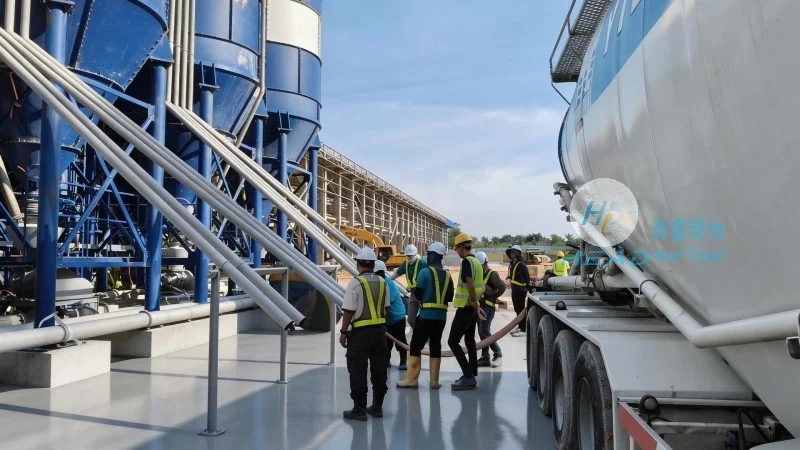
The working scene characteristics of iron powder material conveying lines vary based on the specific application and industry. In chemical manufacturing, for example, these systems are used to transport iron powder to reactors and processing units, where it is integrated into chemical formulations. The key characteristics in this scenario include high precision in material delivery, minimal contamination, and the ability to handle large volumes of powder. In pharmaceutical applications, the conveying lines must adhere to strict hygiene standards, ensuring that the iron powder is transported in a sterile environment. This requires specialized equipment, such as stainless steel pipelines and air filtration systems, to maintain product purity. The working scene also involves considerations like dust control and explosion prevention, as iron powder can be a fire hazard under certain conditions. In food processing industries, the conveying lines must meet food safety regulations, using materials that are non-toxic and easy to clean. These characteristics highlight the importance of customizing iron powder conveying lines to meet the unique demands of each industry and application.
Key Features and Advantages of Iron Powder Conveying Lines
Iron powder material conveying lines offer several advantages that make them a preferred choice for industrial applications. One of the main benefits is their ability to handle fine and abrasive materials without causing wear and tear on the equipment. This is particularly important for iron powder, which can be harsh on traditional conveying systems. The systems are also designed to minimize product loss and contamination, ensuring that the iron powder remains in its original state throughout the transport process. Another advantage is the flexibility in system design, allowing for customization to fit specific operational needs. Whether it's a small-scale setup for laboratory use or a large-scale system for industrial production, iron powder conveying lines can be tailored to meet the requirements. The energy efficiency of these systems is also a significant factor, as they consume less power compared to traditional methods of material transport. This not only reduces operational costs but also contributes to environmental sustainability. Furthermore, the reliability of iron powder conveying lines is enhanced by advanced control systems that monitor and adjust the conveying process in real-time, ensuring consistent performance and minimizing downtime.