

Principle and Working Scene Characteristics of Coke Material Conveying Lines
HeadPowder, a distinguished engineering company headquartered in Shandong, China, specializes in the development and deployment of coke material conveying lines. These systems are integral to industrial operations, particularly within the steel and coking sectors, where the efficient transport of coke—a crucial byproduct of the coking process—is vital for subsequent processing and storage. The core principle of coke material conveying lines is to leverage robust mechanical engineering to handle the bulk, often abrasive nature of coke, ensuring consistent and reliable material flow from production sites to processing or storage facilities. This involves the integration of specialized components and control systems designed to meet the unique demands of coke handling.
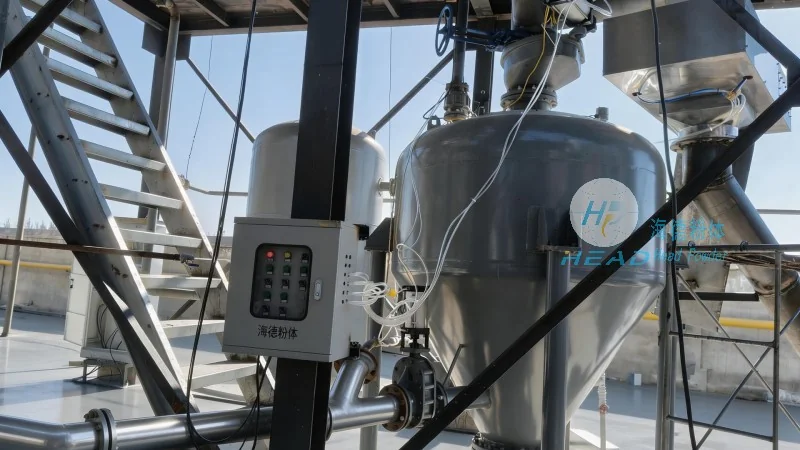
Core Principles of the Conveying System
The fundamental principle of coke material conveying lines centers on the use of heavy-duty mechanical components engineered to withstand the physical stresses of transporting coke. Key elements include conveyor belts, idlers, drive systems, and control mechanisms. The conveyor belt, typically constructed from durable materials like rubber or synthetic composites, serves as the primary carrier for the coke. Idlers are strategically positioned to support the belt and maintain its tension, preventing sagging and ensuring smooth operation. The drive system, usually powered by electric motors, provides the necessary force to move the belt and, consequently, the coke. Control systems, which may incorporate sensors and automation software, monitor critical parameters such as belt speed, load, and potential obstructions, enabling real-time adjustments to maintain optimal performance and prevent downtime.

Working Scene Characteristics and Applications
The working scene characteristics of coke material conveying lines are tailored to the specific operational requirements of industrial environments, especially in steel and coking plants. These systems are designed to operate in settings where space constraints and high throughput are common. For example, in a coking plant, the conveying line may need to transport coke from the coke oven battery to a storage silo or a downstream processing unit, such as a coke crusher or a blending facility. The system must be capable of handling varying coke sizes and moisture levels, which can affect the material's flow characteristics and the wear on conveyor components. Additionally, the system may need to integrate with other equipment, like feeders or screening machines, to form a comprehensive material handling solution that optimizes the entire production process.
Operational Efficiency and Maintenance Considerations
Efficiency in coke material conveying lines is achieved through advanced engineering and material selection. The choice of conveyor belt material is critical, as coke can be abrasive and may cause significant wear if the belt is not properly chosen. Similarly, idler design and spacing are optimized to reduce friction and energy consumption while maintaining belt stability. Maintenance is another key factor in ensuring system reliability. Regular inspections of the belt, idlers, and drive components are essential to detect and address issues like belt misalignment, idler wear, or motor strain before they lead to system failure. HeadPowder emphasizes proactive maintenance strategies to minimize downtime and maximize the operational life of the conveying line, ensuring consistent performance over time.

Customization and Adaptability
Due to the diverse needs of different industrial sites, coke material conveying lines are often customized to meet specific requirements. This includes adjustments to conveyor length, belt width, and drive system type based on the distance to be covered and the volume of coke to be transported. The adaptability of these systems allows them to be deployed in various working environments, from large-scale steel production facilities to smaller coking plants. Customization also involves integrating the conveying line with other industrial equipment, such as feeders or screening machines, to create a comprehensive material handling solution that enhances overall operational efficiency. This flexibility ensures that the system can be tailored to the unique challenges and requirements of each application, providing a reliable and efficient solution for coke transport.