

Principles and Working Scene Characteristics of Synthetic Fiber Material Conveying System Equipment
HeadPowder, a leading provider in the field of material handling solutions, specializes in the design, manufacturing, and implementation of advanced synthetic fiber material conveying systems. Based in Shandong, China, the company has established itself as a trusted partner for industries relying on efficient and reliable fiber material transport. This article delves into the fundamental principles governing these systems and highlights the key characteristics that define their operational effectiveness across diverse industrial applications.

Understanding Synthetic Fiber Material Conveying Systems
Synthetic fiber material conveying systems are engineered to handle the unique challenges associated with transporting fine, lightweight, and often abrasive synthetic fibers. These materials, commonly used in textiles, composites, and other industrial applications, require specialized equipment to ensure minimal loss, consistent quality, and safe operation. The core components of such systems typically include feed hoppers, conveying mechanisms (e.g., belt conveyors, screw conveyors, or pneumatic systems), and control units. Each component is meticulously designed to address the specific properties of synthetic fibers, such as their tendency to cling together or generate static electricity.
The Working Principle of Conveying Equipment
The operation of synthetic fiber material conveying systems is based on the principles of mechanical transport, where materials are moved from a source to a destination through a series of controlled motions. For instance, belt conveyors utilize a continuous loop of rubber or synthetic material, driven by pulleys, to transport fibers along a designated path. Screw conveyors, on the other hand, employ a rotating helical screw to push materials forward, making them ideal for vertical or inclined transport. Pneumatic conveying systems use compressed air to create a flow of fibers through pipes, which is particularly effective for handling fine powders and dust. The choice of conveying method depends on factors like material characteristics, distance, and environmental conditions, ensuring optimal performance in each application.

Key Characteristics of Working Scenes
The effectiveness of synthetic fiber material conveying systems is heavily influenced by the operational environment and the specific requirements of the application. Several key characteristics define how these systems perform in real-world scenarios:
1. Adaptability to Diverse Material Properties
One of the most critical characteristics is the system's ability to handle a wide range of synthetic fiber types, including polyester, nylon, and acrylic. Different fibers have varying densities, moisture content, and static properties, which can affect their flow and transport behavior. Advanced systems incorporate features like adjustable speed controls, material separators, and anti-static measures to ensure consistent handling. For example, in textile manufacturing, where fibers may be mixed with other materials, the conveying system must be capable of separating and directing each component efficiently, minimizing contamination and waste.
2. Environmental and Safety Considerations
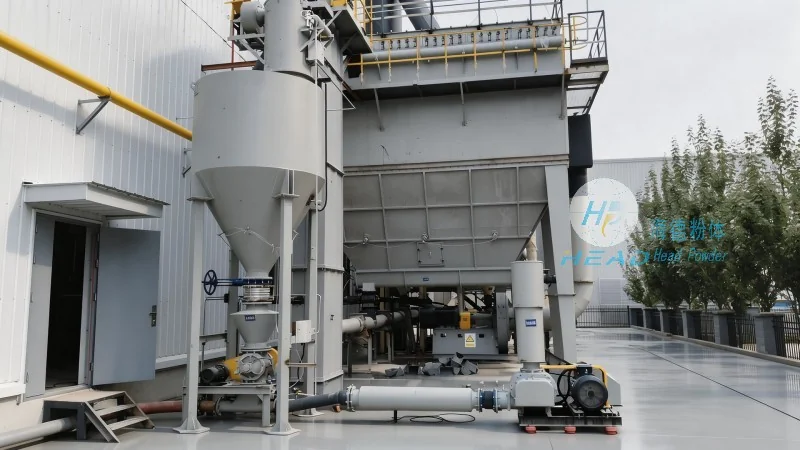
Working scenes often involve environments with high dust levels, temperature variations, or exposure to chemicals. Synthetic fiber conveying systems are designed with safety and environmental compliance in mind. Enclosed conveyor systems reduce dust emissions and protect operators from inhalation risks, while temperature-resistant components ensure operation in both hot and cold climates. Additionally, the use of explosion-proof motors and proper grounding prevents static buildup, which can cause sparks and fires in flammable fiber environments. These safety features are essential for maintaining a secure working environment and adhering to regulatory standards.
3. Efficiency and Throughput Optimization
In industrial settings, the efficiency of material transport directly impacts production output and cost-effectiveness. Synthetic fiber conveying systems are engineered to maximize throughput while minimizing energy consumption and downtime. Features such as variable speed drives allow operators to adjust conveyor speed based on material volume and processing needs, ensuring optimal performance. Additionally, the integration of sensors and automated controls enables real-time monitoring of system performance, allowing for quick adjustments to maintain consistent flow rates. This level of optimization is crucial for maintaining production schedules and reducing operational costs.

4. Scalability and Integration with Existing Systems
Many industrial facilities already have established material handling infrastructure, and synthetic fiber conveying systems must be compatible with these existing setups. Scalability is a key characteristic, as systems can be expanded or modified to accommodate increased production demands or changes in material types. For instance, a small-scale system can be upgraded to a larger one by adding additional conveyor sections or integrating with existing storage and processing equipment. This flexibility allows companies to adapt their material handling solutions as their operations grow, without the need for complete system overhauls.
Conclusion
HeadPowder's synthetic fiber material conveying systems exemplify the integration of advanced engineering principles with practical industrial needs. By understanding the unique properties of synthetic fibers and the demands of diverse working scenes, these systems provide reliable, efficient, and safe material transport solutions. Whether used in textile manufacturing, composite production, or other fiber-based industries, the principles and characteristics outlined here ensure that HeadPowder's equipment delivers consistent performance and contributes to the overall success of industrial operations. With a strong presence in Shandong, China, HeadPowder continues to lead the way in providing tailored material handling solutions that meet the evolving needs of modern industry.