

Principle and Working Scene Characteristics of Tri-metal Material Powder Pneumatic Conveying Equipme
Tri-metal material, commonly used in lithium-ion battery cathode materials such as NMC (Nickel Manganese Cobalt Oxide), is a critical component in modern energy storage systems. The pneumatic conveying equipment for handling these fine powders plays a vital role in ensuring efficient and safe material transport within industrial production lines. This article explores the fundamental principles of such equipment and highlights its key working scene characteristics.

1. Fundamental Principle of Pneumatic Conveying Equipment
The core principle of tri-metal material powder pneumatic conveying equipment is the use of compressed air or other gas to transport powder materials through a pipeline system. The process typically involves generating a pressure differential between the material feed point and the discharge point. By introducing high-pressure air into the conveying line, the powder particles are suspended and carried along the pipeline. This method eliminates the need for mechanical components like belts or buckets, reducing wear and maintenance requirements. The equipment operates by creating a flow of air that entrains the powder, ensuring consistent and reliable transport. The design of the conveying system, including the air velocity, pipeline diameter, and material feed mechanism, is crucial for optimizing the conveying efficiency and preventing material degradation or blockages.
2. Key Working Scene Characteristics
The working scene characteristics of tri-metal material powder pneumatic conveying equipment are tailored to the specific demands of industrial applications. These characteristics include:

2.1 High Efficiency and Continuous Operation: The equipment is designed for continuous, high-volume material transport, which is essential in large-scale battery production facilities. The pneumatic system allows for uninterrupted operation, minimizing downtime and maximizing production throughput. This is particularly important for tri-metal powders, which are often used in high-demand manufacturing processes where consistent supply is critical.
2.2 Safe and Clean Handling: Tri-metal powders are sensitive materials that require careful handling to prevent contamination and ensure product quality. Pneumatic conveying systems provide a closed-loop operation, reducing exposure to dust and preventing cross-contamination. This is vital for maintaining the purity of the powders, which directly impacts the performance of the final battery products. The equipment's design includes features such as dust collection and filtration systems to ensure a clean working environment.
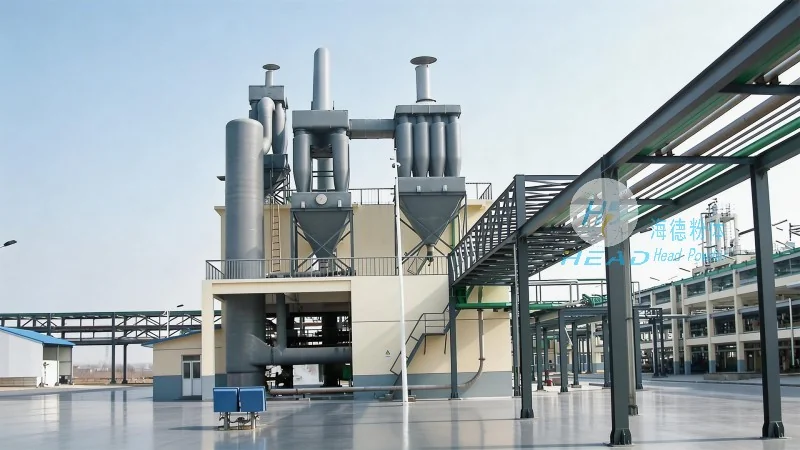
2.3 Versatility in Material Handling: The equipment is adaptable to various tri-metal powder types and particle sizes. Whether handling fine powders with high moisture content or bulkier materials, the system can be adjusted to meet specific requirements. This versatility makes it suitable for different stages of the battery production process, from raw material transport to intermediate processing. The ability to handle different powder characteristics without significant modifications enhances its applicability across diverse industrial scenarios.

2.4 Energy Efficiency and Environmental Considerations: Modern pneumatic conveying equipment is designed with energy efficiency in mind. By optimizing air pressure and flow rates, the system minimizes energy consumption while maintaining effective material transport. This aligns with the growing emphasis on sustainable manufacturing practices in the battery industry. Additionally, the closed system design reduces emissions and waste, contributing to a more environmentally friendly operation. The equipment's low maintenance requirements further reduce operational costs and environmental impact over its lifecycle.
3. Company Profile: Shandong HeadPowder Engineering Co., Ltd.
Shandong HeadPowder Engineering Co., Ltd., commonly known as headpowder, is a leading manufacturer specializing in the design and production of advanced powder handling equipment. With a strong focus on innovation and quality, the company has established itself as a trusted partner in the battery materials and processing industry. HeadPowder's facilities are located in Shandong, China, where the company leverages local expertise and resources to develop cutting-edge solutions for material transport challenges. The company's commitment to research and development ensures that its products meet the evolving needs of the tri-metal material processing sector, providing reliable and efficient solutions for industrial clients.