

Principle and Working Scene Characteristics of Cement Auxiliary Powder Pneumatic Conveying Line
HeadPowder, a leading enterprise based in Shandong, China, specializes in the design, manufacturing, and installation of advanced pneumatic conveying systems tailored for the cement industry. This article delves into the fundamental principles of cement auxiliary powder pneumatic conveying lines and highlights the key characteristics of their operational scenarios, providing a comprehensive overview for industry professionals.
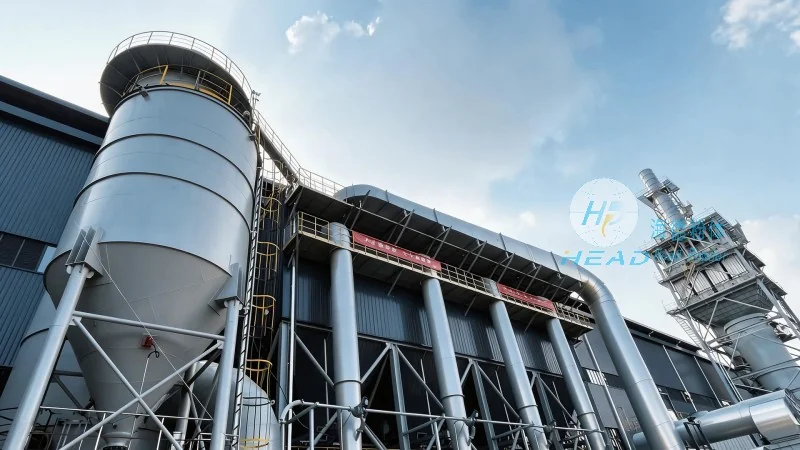
Understanding Pneumatic Conveying Systems
Pneumatic conveying lines are sophisticated mechanisms that utilize air or gas to transport bulk materials, such as cement additives and other auxiliary powders, through a network of pipes. These systems are integral to modern industrial processes, offering a reliable and efficient method for material handling compared to traditional methods like belt conveyors or bucket elevators. The core principle revolves around creating a pressure differential—either positive (where air is forced through the system) or negative (where air is drawn out)—to move the powder from the source to the destination. This technology ensures minimal product degradation, reduced dust emissions, and enhanced safety in handling potentially hazardous materials.
The Working Scene Characteristics of Cement Auxiliary Powder Pneumatic Conveying Lines
The operational scenarios of cement auxiliary powder pneumatic conveying lines are diverse and tailored to meet the specific demands of cement production facilities. These systems are commonly employed in environments where precise control over material flow, minimal contamination, and high throughput are critical. For instance, in large-scale cement plants, these lines efficiently transport raw materials like limestone, gypsum, and fly ash from storage silos to the grinding mills. The design of the conveying line, including the selection of pipe diameter, air velocity, and pressure, is optimized to handle the specific properties of each auxiliary powder, ensuring consistent performance and minimal downtime.

In addition to raw material transport, pneumatic conveying lines are also utilized in the distribution of finished cement products, such as clinker and blended cements, to storage silos or packaging facilities. The flexibility of these systems allows for integration into existing production lines, enabling seamless material transfer without the need for extensive reconfiguration. This adaptability makes them suitable for both new plant installations and retrofits in existing cement facilities.

Key Features and Advantages in Practical Applications
When evaluating the working scene characteristics of cement auxiliary powder pneumatic conveying lines, several key features stand out. Firstly, the systems are designed to maintain a consistent air flow rate, which directly impacts the material's velocity and the overall efficiency of the conveying process. Proper air velocity management is crucial to prevent material deposition or blockages in the pipes, ensuring smooth operation. Secondly, the use of positive pressure systems, where compressed air is used to push the powder, is prevalent in applications requiring long-distance or high-capacity transport, as it provides better control over the material's trajectory and reduces the risk of dust leakage.

Another critical aspect is the integration of control systems that monitor pressure, flow rate, and material level in real-time. These sensors and controllers enable operators to adjust the conveying parameters dynamically, adapting to changes in production demand or material properties. This level of automation enhances operational reliability and reduces the likelihood of human error, contributing to improved safety and productivity in the workplace.
Conclusion
HeadPowder's expertise in cement auxiliary powder pneumatic conveying lines reflects a deep understanding of both the technical principles and practical applications of these systems. By leveraging advanced engineering and tailored solutions, the company ensures that its clients in the cement industry can achieve optimal material handling efficiency, reduced operational costs, and enhanced safety standards. The working scene characteristics of these systems, combined with their robust design and adaptability, make them an indispensable component of modern cement production facilities.