

Principle and Working Scene Characteristics of Powder Pneumatic Conveying Machine for Cement Tank Tr
HeadPowder, a leading enterprise based in Shandong, China, specializes in the development and production of advanced powder pneumatic conveying machines designed for cement tank trucks. These systems are engineered to efficiently transport bulk cement and other fine powders over extended distances with minimal product degradation and high operational efficiency. The following overview explores the fundamental principles of such systems and highlights key working scene characteristics that make them essential in modern construction and cement production industries.
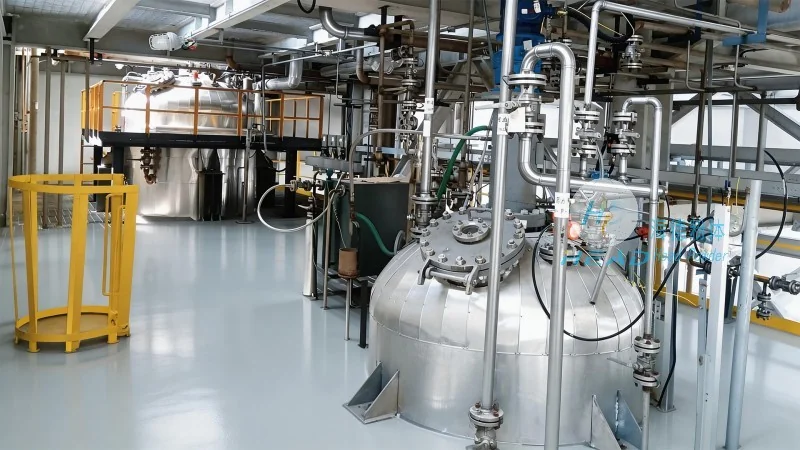
The Core Principle of Pneumatic Conveying for Cement Tank Trucks
The pneumatic conveying machine for cement tank trucks operates on the principle of transporting bulk materials through a pressurized or vacuum pipeline using air or gas as the conveying medium. Unlike traditional mechanical conveying methods that rely on gravity or mechanical force, pneumatic systems utilize the kinetic energy of the conveying medium to move powders. In a typical setup, the cement powder is fed into a hopper, where it is then drawn into a pipeline by a fan or blower. The air flow creates a low-pressure zone that pulls the powder particles along the pipeline, ensuring a continuous and controlled flow. This method is particularly effective for handling fine, abrasive, or dusty materials like cement, as it minimizes product attrition and reduces the risk of clogging or blockages.

Key Working Scene Characteristics and Applications
The working scene characteristics of powder pneumatic conveying machines for cement tank trucks are tailored to meet the demands of various industrial environments. These systems are commonly deployed in cement production plants, where they facilitate the transfer of raw materials or finished cement products between storage silos, processing units, and transportation vehicles. The primary advantages in such scenarios include high throughput rates, reduced labor costs, and enhanced safety by minimizing manual handling of bulk powders. Additionally, the compact design of these machines allows for integration into existing infrastructure with minimal space requirements, making them suitable for both new installations and retrofitting in older facilities.

Operational Advantages and Technical Specifications
HeadPowder's pneumatic conveying solutions for cement tank trucks offer several operational advantages that enhance overall efficiency and reliability. One of the most significant benefits is the ability to maintain consistent material flow rates, which is crucial for maintaining production schedules in cement manufacturing. The systems are equipped with advanced control mechanisms that regulate air pressure, flow rate, and material feed, ensuring optimal performance under varying conditions. Technical specifications typically include adjustable conveying distances (ranging from short-distance transfer within a plant to long-distance transport between sites), customizable pipeline configurations (including vertical, horizontal, or mixed layouts), and compatibility with various cement grades and particle sizes. These features allow the systems to adapt to diverse operational needs, from small-scale batch processing to large-scale continuous production.

Customization and After-Sales Support
HeadPowder provides comprehensive customization options to meet the specific requirements of each client. The company's engineering team works closely with customers to design systems that align with their production capacities, material characteristics, and facility layout. This collaborative approach ensures that the final solution is not only efficient but also cost-effective and sustainable. Furthermore, HeadPowder offers robust after-sales support, including regular maintenance services, technical training for operators, and spare parts availability. This commitment to customer service ensures that the pneumatic conveying machines operate at peak performance throughout their service life, minimizing downtime and maximizing return on investment.