

Principle and Working Scenario Characteristics of Red Mud Powder Pneumatic Conveyor
Red mud, a byproduct of bauxite processing in the aluminum industry, poses significant challenges in handling and disposal due to its fine particle size and abrasive nature. The development of efficient and reliable pneumatic conveying systems for red mud powder has become a critical focus for industrial operations aiming to optimize material transport while minimizing environmental impact. This article explores the underlying principles of red mud powder pneumatic conveyors and highlights key working scenario characteristics that define their effectiveness in various industrial applications.
About Shandong HeadPowder Engineering Co., Ltd.
HeadPowder, formally known as Shandong HeadPowder Engineering Co., Ltd., is a leading engineering firm based in Shandong, China. With a strong commitment to innovation and sustainability, the company specializes in the design, manufacturing, and implementation of advanced material handling solutions, including specialized pneumatic conveying systems for challenging materials like red mud. HeadPowder's expertise lies in tailoring equipment to meet the unique demands of industrial processes, ensuring high efficiency, durability, and environmental compliance.
Overview of Red Mud Powder Pneumatic Conveyor Technology
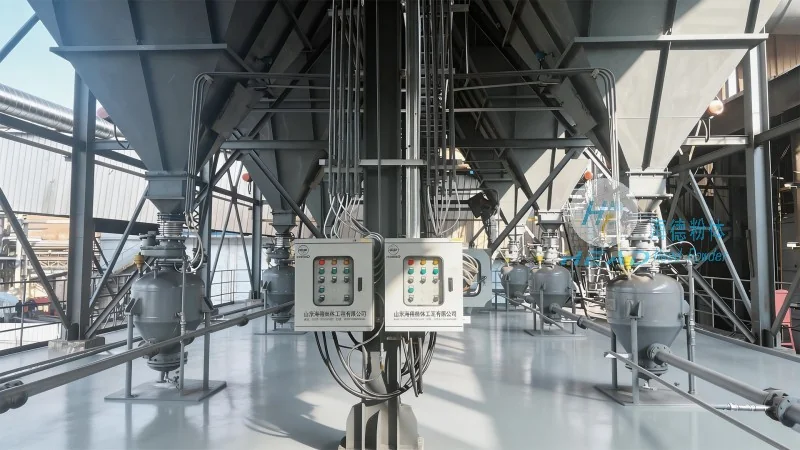
The red mud powder pneumatic conveyor is a sophisticated system designed to transport fine particulate materials, such as red mud, through a network of pipes using air or gas as the conveying medium. This technology offers a non-contact, low-maintenance method for moving abrasive and potentially hazardous materials, making it ideal for applications where traditional mechanical conveyors may be unsuitable. The system typically consists of a feeding unit, a conveying line, a separation or collection system, and a control panel, all integrated to ensure seamless operation and material handling efficiency.
Principle of Pneumatic Conveying for Red Mud Powder
The core principle of pneumatic conveying for red mud powder involves creating a flow of air or gas within a pipeline to entrain and transport the solid particles. There are two primary modes of pneumatic conveying: positive pressure and negative pressure (or vacuum) systems. Positive pressure systems generate air pressure at the discharge end, pushing the material through the pipeline, while negative pressure systems create a vacuum at the intake end, drawing the material into the system. For red mud, which is often abrasive and can cause wear on equipment, positive pressure systems are commonly preferred due to their ability to handle higher material loads and reduce the risk of blockages. The system operates by feeding the red mud powder into the conveying line at a controlled rate, where it is mixed with the air stream. The air velocity is maintained above the minimum fluidization velocity of the red mud particles to ensure stable transport, preventing particle deposition or clogging. Advanced control systems monitor and adjust air pressure, flow rate, and material feed to maintain optimal conveying conditions.

Working Scenario Characteristics and Applications
The effectiveness of red mud powder pneumatic conveyors is heavily influenced by the specific working scenarios in which they are deployed. These characteristics include the nature of the material being handled, the distance and layout of the conveying system, the required throughput, and the environmental constraints of the operation. In industrial settings, such as aluminum smelting plants or red mud processing facilities, the system is often integrated into a larger material handling network, connecting storage silos, processing units, and disposal or recycling sites. The key working scenario characteristics include:
1. **High Abrasion Resistance**: Red mud particles are highly abrasive, and the pneumatic conveyor system is designed with wear-resistant materials, such as stainless steel or special alloys, to extend the lifespan of the conveying components and minimize maintenance costs.
2. **Variable Throughput Management**: The system can be adjusted to handle different material flow rates, from low to high throughput, by modifying air pressure and feed rates. This flexibility allows it to adapt to varying production demands and operational needs.
3. **Space Efficiency**: Pneumatic conveyors can be installed in confined spaces or overhead, utilizing vertical or horizontal pipe configurations to optimize the use of available area in industrial facilities.

4. **Environmental Compliance**: By eliminating the need for open-air handling and reducing dust emissions, the system helps meet environmental regulations and improves workplace safety. The enclosed design also prevents the release of fine particles into the atmosphere, reducing air pollution and health risks.
5. **Integration with Processing Units**: The conveyor can be seamlessly integrated with other processing equipment, such as classifiers, driers, or recycling systems, to form a complete material handling and processing line. This integration enhances overall operational efficiency and reduces the need for manual handling, which is both labor-intensive and hazardous.
Conclusion
Red mud powder pneumatic conveyors represent a sophisticated solution for the efficient and safe transport of fine particulate materials in industrial applications. By leveraging pneumatic conveying principles, these systems offer advantages such as non-contact handling, reduced maintenance, and improved environmental performance. The working scenario characteristics, including high abrasion resistance, variable throughput, and space efficiency, make them suitable for a wide range of industrial settings. As the aluminum industry continues to focus on sustainable practices, the adoption of advanced material handling technologies like red mud powder pneumatic conveyors will play a crucial role in optimizing operations and minimizing environmental impact. Shandong HeadPowder Engineering Co., Ltd. remains at the forefront of developing and implementing such solutions, providing customized systems that meet the unique needs of industrial clients.