

Principle and Operational Characteristics of Bauxite Material Pneumatic Conveying Systems
For industrial applications involving the transport of bauxite material, pneumatic conveying systems offer an efficient and reliable solution. These systems utilize air or gas to move bulk materials through a pipeline network, eliminating the need for mechanical components like belts or buckets. The core principle of pneumatic conveying lies in creating a pressure differential that propels the material along the system. This method is particularly advantageous for bauxite, which is often handled in large quantities and requires safe, dust-free transfer. By understanding the fundamental mechanics and operational nuances of such systems, industries can optimize material handling processes, enhance safety, and improve overall productivity.
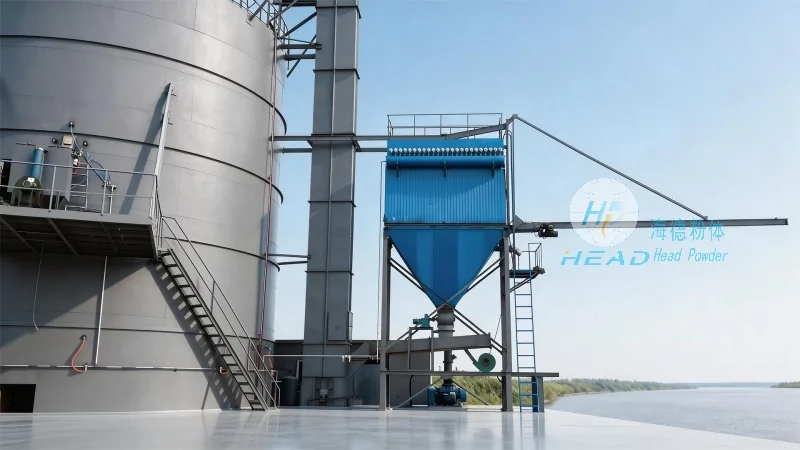
Understanding the Core Mechanics of Pneumatic Conveying Systems
The operation of a bauxite pneumatic conveying system is based on the principle of fluidization and transport. Air is introduced into the material at a controlled velocity, creating a suspension where the particles are carried by the air stream. The system typically consists of a feeding device, a conveying line, and a discharge unit. The feeding mechanism ensures a consistent flow of bauxite into the pipeline, while the conveying line may include components like bends, filters, and pressure regulators to maintain optimal performance. The discharge unit then separates the material from the air, allowing for safe collection. This process is designed to handle various particle sizes and moisture contents, making it versatile for different bauxite processing stages.

Key Operational Characteristics in Bauxite Handling
When applied to bauxite material, pneumatic conveying systems exhibit several distinct operational characteristics that contribute to their effectiveness. One primary feature is the ability to handle abrasive materials without significant wear on the system components. Bauxite, being a hard and often fine-grained mineral, can be transported efficiently with minimal maintenance. Additionally, these systems provide excellent dust control, which is crucial for maintaining a safe working environment and complying with environmental regulations. The flexibility of pneumatic conveying also allows for vertical and horizontal transport, adapting to the layout of industrial facilities. This adaptability is essential for bauxite processing plants where space constraints and material flow paths vary. The system's ability to operate continuously with minimal downtime further enhances its appeal for high-throughput operations.
Application Scenarios and Industry Integration
Bauxite pneumatic conveying systems are widely used in various industrial settings, particularly in the aluminum production sector. In bauxite mining and processing facilities, these systems facilitate the movement of raw material from storage to processing units, such as grinding and refining plants. The ability to transport bauxite over long distances without intermediate storage reduces operational costs and improves supply chain efficiency. Additionally, in alumina production, pneumatic conveying is critical for moving processed bauxite to calcination or other downstream processes. The systems are also employed in recycling operations, where bauxite residue is handled and transported for reuse or disposal. Each application leverages the system's ability to handle large volumes and maintain material integrity, ensuring that the bauxite remains in optimal condition for subsequent processing steps.

Advantages and Considerations for Implementing Pneumatic Conveying
Implementing a bauxite pneumatic conveying system offers several advantages, including improved safety, reduced labor costs, and enhanced material handling efficiency. Unlike mechanical systems, pneumatic conveyors eliminate the risk of material spillage and exposure to dust, which can be hazardous in bauxite processing environments. The automated nature of these systems also minimizes human intervention, reducing the likelihood of errors and accidents. However, there are considerations to keep in mind when selecting a pneumatic conveying solution. The system's design must account for the specific properties of bauxite, such as particle size distribution and moisture content, to ensure optimal performance. Additionally, the initial investment and energy consumption should be evaluated against the long-term benefits. Proper maintenance, including regular cleaning of filters and inspection of air compressors, is essential to maintain system efficiency and extend its lifespan. By addressing these factors, industries can maximize the benefits of pneumatic conveying while minimizing potential drawbacks.