

Principle and Working Scene Characteristics of Pneumatic Conveying Equipment for Sintered Dust Mater
HeadPowder, a leading engineering company based in Shandong, China, specializes in the design and manufacturing of advanced pneumatic conveying systems tailored for handling sintered dust materials. This article delves into the fundamental principles of such equipment and highlights the key characteristics of its operational environments.

Introduction to Pneumatic Conveying Systems for Sintered Dust
Pneumatic conveying equipment is a critical solution for transporting sintered dust, a fine particulate material commonly generated in industrial processes like sintering, crushing, and screening. The technology utilizes air or gas as the conveying medium to move materials from one location to another, offering advantages such as low maintenance, flexibility in layout, and the ability to handle materials in a closed system, minimizing dust emissions and contamination risks.
Core Principles of Pneumatic Conveying Equipment
The operation of pneumatic conveying systems for sintered dust relies on several key principles. First, the system generates a flow of air or gas, typically through a blower or compressor, which creates a pressure differential. This differential draws the sintered dust particles into the conveying line. The material is then suspended and transported by the moving air stream. The design of the equipment, including the type of conveying line (e.g., positive or negative pressure systems), the size and configuration of the ductwork, and the selection of components like cyclones, filters, and valves, all contribute to the efficiency and effectiveness of the process.
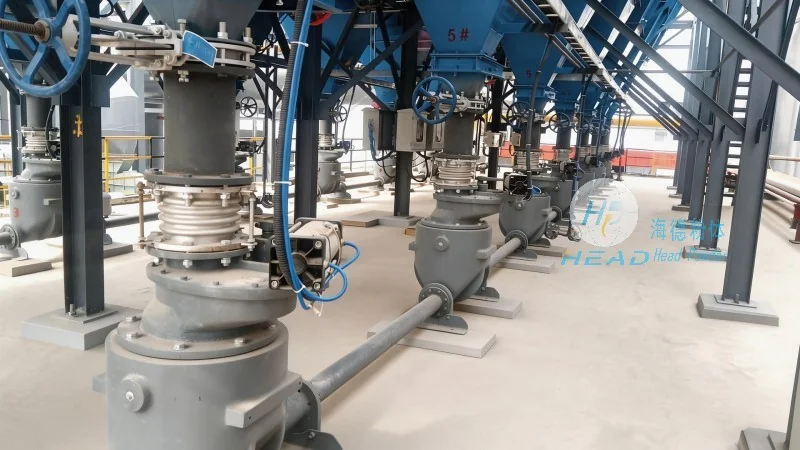
Key Working Scene Characteristics
The operational environments where sintered dust pneumatic conveying equipment is applied exhibit distinct characteristics that influence system design and performance. These include:
1. Material Properties and Handling Challenges
Sintered dust often presents unique challenges due to its fine particle size, high moisture content, or cohesive properties. These factors can affect the flowability and settling behavior of the material. For instance, fine particles may cause clogging in conventional conveying systems, necessitating specialized designs such as high-velocity or dense-phase conveying. The equipment must be engineered to handle these challenges, ensuring consistent and reliable material transport.
2. Process Integration and Layout Flexibility
In industrial settings, pneumatic conveying systems are frequently integrated with other process equipment, such as crushers, screens, and storage silos. The ability to adapt to various spatial layouts is a crucial characteristic. Systems can be designed for straight-line transport or to navigate complex routes, including vertical lifts and horizontal turns, to accommodate the specific requirements of the production line. This flexibility allows for efficient material transfer without disrupting the overall workflow.

3. Environmental and Safety Considerations
Handling sintered dust involves considerations related to dust control and safety. Pneumatic conveying systems are typically enclosed, reducing the risk of dust dispersion into the workplace. The equipment is often equipped with filtration systems to capture and recycle the dust, minimizing environmental impact. Additionally, safety features like pressure relief valves and emergency shut-off mechanisms are integrated to ensure operational safety and compliance with industrial regulations.
Conclusion
HeadPowder's pneumatic conveying equipment for sintered dust materials combines advanced engineering principles with practical operational considerations. By understanding the core principles of pneumatic transport and the specific characteristics of working environments, these systems provide efficient, reliable, and safe solutions for material handling in various industrial applications. With a strong presence in Shandong, China, HeadPowder continues to deliver innovative solutions tailored to the evolving needs of the industry.