

Principle and Working Scene Characteristics of Plaster Powder Material Pneumatic Conveying Line
HeadPowder, a prominent engineering firm headquartered in Shandong, China, specializes in the development and deployment of advanced pneumatic conveying systems specifically designed for handling plaster powder. These systems are engineered to efficiently transport bulk materials like plaster powder, ensuring reliability, efficiency, and minimal material loss in various industrial applications. The company’s commitment to innovation and precision in material handling has positioned it as a trusted partner for businesses in the plaster and construction materials industry.

The Principle of Pneumatic Conveying for Plaster Powder
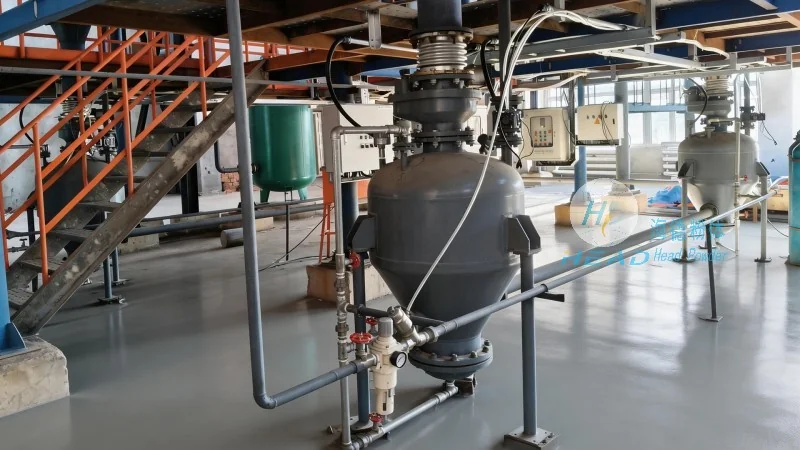
Pneumatic conveying lines for plaster powder operate based on the principle of utilizing air flow to move material through a closed pipeline system. The core components of such a system include a material hopper, a rotary airlock valve, a conveying pipe, and a receiving hopper or silo. The process begins when plaster powder is discharged from the hopper into the rotary valve, which meters the material at a controlled rate. This metered material is then introduced into the conveying pipe, where compressed air is introduced to create a high-velocity air stream. The air stream propels the powder particles forward, transporting them from the source to the destination. The design of the system, including factors like air velocity, pipe diameter, and material flow rate, is crucial for achieving optimal performance and preventing issues such as material degradation, blockages, or excessive energy consumption.

Key Working Scene Characteristics
The working scene characteristics of pneumatic conveying lines for plaster powder are tailored to the specific operational requirements of plaster production and processing environments. These systems are commonly employed in manufacturing facilities where plaster powder needs to be transferred from storage silos to mixing stations, or from production lines to packaging areas. The key characteristics include high material throughput capabilities, low maintenance requirements, and the ability to handle fine powders without significant loss or degradation. Additionally, the systems are designed to be compact and adaptable, allowing for seamless integration into existing industrial layouts while ensuring compatibility with other production equipment. The reliability of these systems is further enhanced by features such as air filtration, which prevents dust accumulation and maintains air quality, and pressure regulation, which ensures consistent material flow.
Advantages of Pneumatic Conveying Systems for Plaster Powder
Pneumatic conveying systems for plaster powder offer several advantages over traditional material handling methods, such as bucket elevators or belt conveyors. One of the primary benefits is the ability to handle fine powders without the need for mechanical components that can cause material degradation or blockages. The closed pipeline system also minimizes dust emissions, contributing to a cleaner and safer working environment. Additionally, these systems are highly flexible, allowing for changes in material flow direction or destination without significant modifications to the infrastructure. The energy efficiency of pneumatic conveying systems is another key advantage, as they can be optimized to use minimal compressed air while maintaining high material throughput. This not only reduces operational costs but also aligns with sustainability goals by minimizing energy consumption.
Company Expertise and Application
Shandong HeadPowder Engineering Co., Ltd. draws upon its extensive expertise in material handling and pneumatic systems to deliver customized solutions for plaster powder transportation. The company’s engineers possess a deep understanding of the unique properties of plaster powder, including its fine particle size, potential for caking, and sensitivity to moisture. This knowledge enables the design of systems that address these challenges effectively, ensuring that the material remains in optimal condition throughout the conveying process. The company works closely with clients to assess their specific operational needs, considering factors such as production capacity, material characteristics, and environmental conditions. Through this collaborative approach, HeadPowder ensures that the selected pneumatic conveying line is optimized for the client’s requirements, enhancing operational efficiency, reducing downtime, and improving overall productivity in plaster manufacturing and processing. The company’s commitment to quality and innovation has resulted in systems that meet or exceed industry standards, providing long-term value to its clients.