

Principle and Working Scenario Characteristics of Bauxite Material Pneumatic Conveying Machines
Bauxite, a critical raw material for aluminum production, demands efficient material handling solutions during processing. Pneumatic conveying systems have become a sophisticated method for transporting bauxite and other bulk materials, offering advantages in cleanliness, speed, and flexibility. This article examines the fundamental principles of bauxite material pneumatic conveying machines and highlights the distinct working scenario characteristics that define their application across various industrial settings.
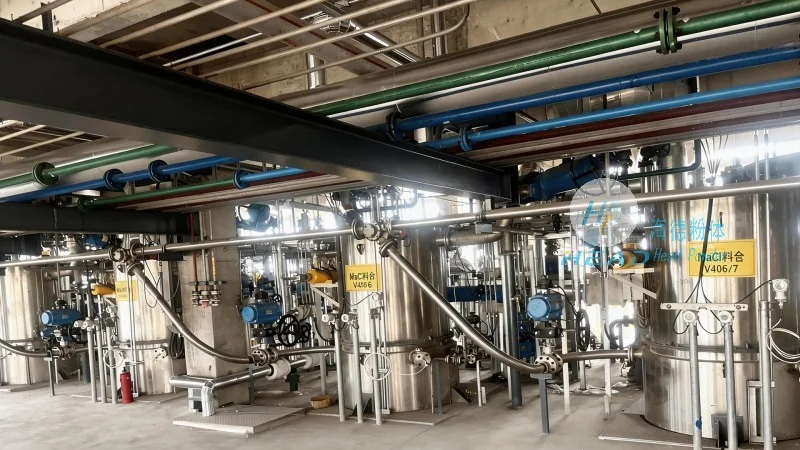
Understanding the Core Principle of Bauxite Pneumatic Conveying Machines
The operation of bauxite material pneumatic conveying machines is based on the principle of transporting solid particles through a pipeline using a gas stream, typically air or an air mixture. The system comprises key components: a material hopper, rotary feeder, conveying pipeline, pressure vessel or receiver, and dust collector. As bauxite material is fed, it is accelerated by the high-velocity air stream, propelling particles through the pipeline to the destination. The pressure differential created by the air flow ensures consistent, controlled material movement, minimizing blockages and enhancing efficiency.
A primary advantage of pneumatic conveying for bauxite is its ability to handle fine or powdery materials without mechanical components that cause wear or contamination. The air stream acts as a carrier, enabling dry, dust-free transport—essential for maintaining product quality and reducing operational hazards. The system can operate under both positive and negative pressure, providing flexibility for different material properties and process requirements.
Working Scenario Characteristics of Bauxite Pneumatic Conveying Machines
The working scenario characteristics of bauxite material pneumatic conveying machines are tailored to meet diverse industrial demands, including material flow rate, pipeline length, and dust control needs. In mining operations, bauxite is extracted from open-pit mines and transported to processing facilities over long distances. Pneumatic conveying systems excel here due to their capacity to handle large volumes and resistance to harsh environmental conditions typical of mining sites.

In bauxite processing plants, the system transports raw bauxite from storage silos to grinding or crushing equipment. This scenario emphasizes precise material control and product integrity, as the material is processed into alumina. The pneumatic conveying machine must maintain consistent flow rates and prevent agglomeration or breakage affecting downstream efficiency.
Another scenario involves transferring bauxite from processing units to storage or shipping facilities. Here, the system must handle varying material characteristics (e.g., moisture content, particle size) while optimizing material handling efficiency. The design must account for these variations to ensure reliable operation and avoid downtime.
Key Features and Benefits in Different Operational Environments
When evaluating bauxite material pneumatic conveying machines, key features and benefits depend on the operational environment. For high-volume mining, larger diameter pipelines and higher air pressure accommodate increased flow rates, enhancing capacity and reducing transfer points. In smaller processing facilities, smaller pipelines and lower pressure optimize energy use while maintaining effective transport.

Dust control is critical, as bauxite generates significant airborne dust. Pneumatic systems include advanced dust collection and filtration to minimize environmental impact and comply with health and safety regulations, especially in indoor processing environments where dust accumulation risks worker health and equipment performance.
Flexibility in system configuration is also vital, as processing plants may need to adjust flow rates or change material destinations based on schedules. Systems with multiple inlets/outlets integrate various processing units and adapt to changing needs, essential for productivity and cost reduction in dynamic environments.
Conclusion: Tailoring Pneumatic Conveying Solutions for Bauxite Material Handling
In summary, bauxite material pneumatic conveying machines offer an effective solution for efficient, reliable handling of bauxite across mining, processing, and storage operations. The fundamental principles of pneumatic transport, combined with scenario-specific characteristics, ensure these systems meet operational demands. By understanding these principles and characteristics, industry professionals can select and implement optimal pneumatic conveying solutions for their bauxite material handling needs.