

Operation Process and Working Principle of Dry Powder Pneumatic Conveying
For industries dealing with dry powders, efficient material handling is crucial. The pneumatic conveying system, particularly for dry powders, offers a reliable solution that integrates the operation process and working principle to ensure smooth material transport. This article delves into the detailed operation process and working principle of dry powder pneumatic conveying, highlighting the expertise of Shandong HeadPowder Engineering Co., Ltd. (hereinafter referred to as HeadPowder) in providing advanced solutions for such applications.

Understanding Dry Powder Pneumatic Conveying
Dry powder pneumatic conveying is a method of transporting dry powders through a pipeline using a carrier gas, typically air. This technology is widely used in various industries, including chemical, food, pharmaceutical, and cement, due to its ability to handle fine powders without contamination and with minimal product degradation. The system operates by creating a pressure differential that propels the powder particles through the pipeline, making it an ideal choice for applications requiring clean and efficient material transfer.
The Core Components and Their Roles
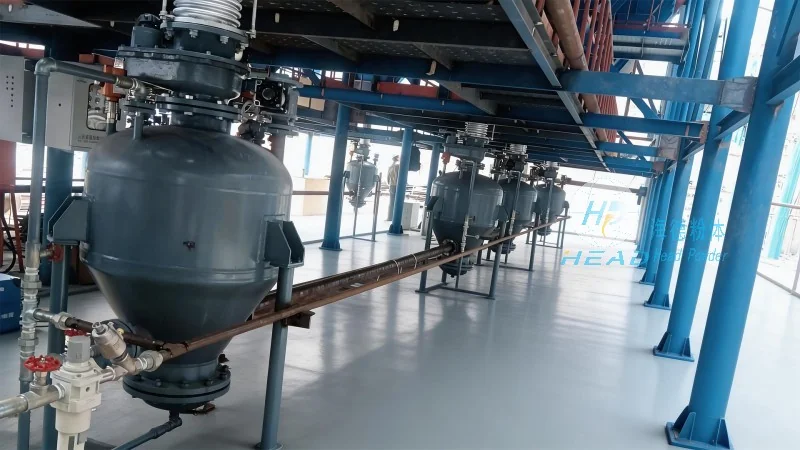
At the heart of a dry powder pneumatic conveying system are several key components that work in tandem to achieve efficient operation. These include the material feeder, which introduces the dry powder into the system; the air compressor or blower, which generates the necessary airflow; the pipeline network, which transports the powder and gas mixture; and the control system, which regulates the pressure and flow rates. Each component plays a critical role in ensuring the system operates smoothly and efficiently, minimizing downtime and maximizing productivity.

Operation Process: From Feeding to Discharge
The operation process of a dry powder pneumatic conveying system begins with the feeding of dry powder into the system. The material feeder, such as a rotary valve or a star feeder, ensures a consistent and controlled flow of powder into the pipeline. Simultaneously, the air compressor or blower starts operating, generating a high-pressure airflow that mixes with the powder particles. The mixture is then propelled through the pipeline, moving from the inlet to the discharge point. The control system continuously monitors the pressure and flow rates, adjusting the air supply as needed to maintain optimal conveying conditions. Upon reaching the discharge point, the powder is separated from the gas using a separator or cyclone, and the gas is either recirculated or vented, depending on the system design.
Working Principle: The Physics Behind the Process
The working principle of dry powder pneumatic conveying is based on the physics of fluid dynamics and particle motion. The system relies on the principle of fluidization, where the carrier gas creates a fluidized bed of powder particles, allowing them to be transported as a suspension. The pressure differential between the inlet and the discharge point provides the necessary force to move the powder through the pipeline. The velocity of the gas and the size of the powder particles are critical factors that determine the efficiency of the conveying process. Proper design of the system, including the pipeline diameter, length, and bends, is essential to minimize pressure drop and ensure smooth flow.
Advantages of Dry Powder Pneumatic Conveying
Compared to traditional mechanical conveying methods, dry powder pneumatic conveying offers several advantages. These include the ability to handle fine and abrasive powders without causing wear and tear on the equipment; the prevention of product contamination due to enclosed systems; and the flexibility to transport materials over long distances with minimal maintenance. The system also allows for easy integration with other processing equipment, making it a versatile solution for various industrial applications.

HeadPowder's Expertise in Dry Powder Pneumatic Conveying
Shandong HeadPowder Engineering Co., Ltd. specializes in designing and manufacturing high-quality dry powder pneumatic conveying systems tailored to the specific needs of clients. With years of experience in the industry, HeadPowder has developed advanced solutions that incorporate the latest technology and engineering principles. The company's team of experts works closely with clients to understand their material handling requirements and provides customized solutions that ensure optimal performance and efficiency. HeadPowder's commitment to quality and innovation has made it a trusted partner for industries seeking reliable and efficient dry powder conveying solutions.
Conclusion
Dry powder pneumatic conveying is a sophisticated technology that combines the operation process and working principle to achieve efficient material transport. With the expertise of companies like Shandong HeadPowder Engineering Co., Ltd., industries can benefit from advanced solutions that meet their specific requirements. By understanding the core components, operation process, and working principle, users can make informed decisions when selecting and implementing dry powder pneumatic conveying systems, ensuring optimal performance and productivity.