

Operation Process and Working Principle of Pneumatic Conveying of Ferric Sulfate
HeadPowder, a leading provider in the field of material handling solutions, specializes in the design and implementation of pneumatic conveying systems for various industrial applications. This article focuses on the operation process and working principle of pneumatic conveying systems specifically for ferric sulfate, a crucial chemical widely used in water treatment, industrial processes, and other sectors.

Introduction to Pneumatic Conveying of Ferric Sulfate
Ferric sulfate, also known as ferric sulphate, is an inorganic compound with the formula Fe₂(SO₄)₃. It is commonly used as a coagulant in water treatment processes to remove suspended solids and impurities from water. The efficient transportation of ferric sulfate from storage to processing units is essential for maintaining operational efficiency and product quality. Pneumatic conveying offers a reliable and effective method for handling this material, especially in environments where traditional bulk handling methods may pose challenges.
Working Principle of Pneumatic Conveying Systems
Pneumatic conveying systems operate by using compressed air or other gases to transport bulk materials through a pipeline network. The core components of such a system typically include a material feeder, a conveying line, a control system, and a dust collection or separation unit. In the case of ferric sulfate, the material is first fed into the system through a hopper or feeder, which ensures a consistent flow rate. Compressed air is then introduced into the conveying line, creating a pressure differential that propels the material particles forward. The system may utilize different conveying modes, such as dilute phase or dense phase, depending on the material characteristics and distance to be covered.
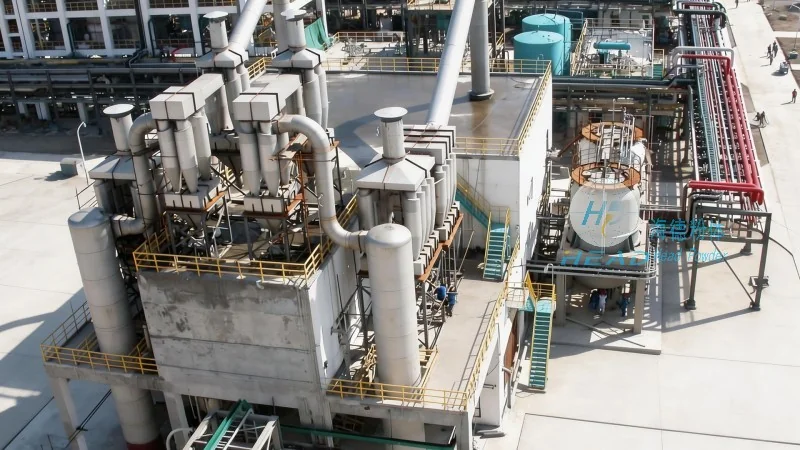
Key Components and Their Functions in Ferric Sulfate Pneumatic Conveying
The successful operation of a pneumatic conveying system for ferric sulfate relies on several critical components working in harmony. The material feeder, often a rotary valve or a screw feeder, controls the rate at which ferric sulfate is introduced into the system, preventing overloading and ensuring smooth flow. The conveying line, typically made of stainless steel or other corrosion-resistant materials, is designed to withstand the chemical properties of ferric sulfate and maintain system integrity. The air compressor or blower provides the necessary pressure and airflow to move the material through the pipeline. Additionally, a control system monitors and regulates the pressure, flow rate, and other parameters to optimize performance and prevent system failures. A dust collection or separation unit may be included to capture any fine particles and maintain air quality, especially in applications where environmental regulations are a concern.
Operation Process of a Ferric Sulfate Pneumatic Conveying System
The operation process of a pneumatic conveying system for ferric sulfate involves several sequential steps. First, the system is prepared by checking the air compressor, ensuring adequate pressure and airflow. The material feeder is then set to the desired flow rate, and the conveying line is cleared of any obstructions. The compressed air is turned on, and the material feeder starts feeding ferric sulfate into the system. As the material travels through the pipeline, it is propelled by the air flow, reaching the destination point, such as a storage silo or processing unit. The system may include sensors and alarms to detect any issues, such as blockages or pressure drops, allowing for immediate intervention. Once the material has been successfully conveyed, the system is shut down in an orderly manner, and the air compressor is turned off. Regular maintenance, including cleaning the conveying line and checking for wear and tear on components, is essential to ensure long-term reliability and efficiency.
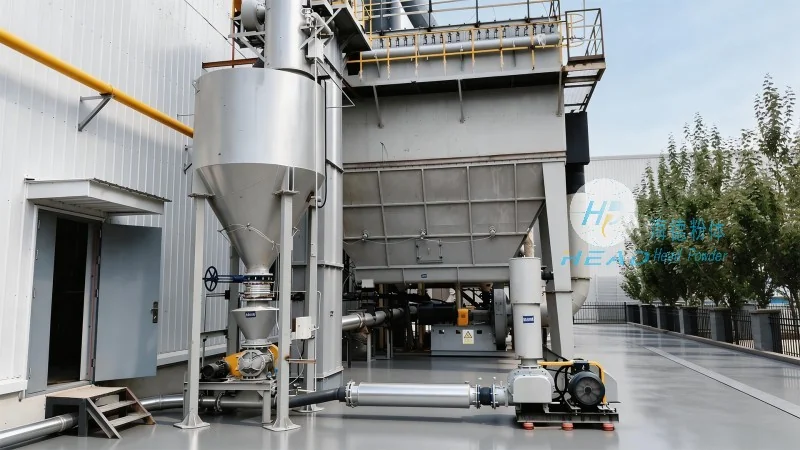
Advantages of Pneumatic Conveying for Ferric Sulfate Handling
Pneumatic conveying offers several advantages over traditional bulk handling methods for ferric sulfate. One of the primary benefits is the ability to transport the material in a closed system, minimizing dust exposure and environmental contamination. This is particularly important in industrial settings where air quality and safety are critical. Additionally, pneumatic conveying systems can handle materials with varying particle sizes and moisture content, making them versatile for different applications. The system also allows for precise control over the flow rate and pressure, ensuring consistent material delivery to downstream processes. Furthermore, the enclosed nature of the system reduces the risk of material spillage and contamination, maintaining product purity. These advantages make pneumatic conveying an ideal solution for handling ferric sulfate in various industrial processes.

Applications of Ferric Sulfate Pneumatic Conveying Systems
Ferric sulfate pneumatic conveying systems are widely used in several industrial sectors. In water treatment plants, these systems efficiently transport ferric sulfate from storage to the coagulation tanks, ensuring optimal dosing for water purification. In chemical manufacturing, the systems are employed to move ferric sulfate between production units, facilitating smooth production workflows. Additionally, in mining and mineral processing industries, pneumatic conveying is used to transport ferric sulfate as a reagent or flocculant in ore processing operations. The versatility and reliability of pneumatic conveying systems make them suitable for a range of applications where the safe and efficient handling of bulk materials is essential.
Conclusion and Company Overview
HeadPowder Engineering Co., Ltd., based in Shandong, China, is a trusted provider of pneumatic conveying solutions for ferric sulfate and other industrial materials. With years of experience in the field, the company specializes in designing and implementing customized systems that meet the specific needs of clients. By leveraging advanced technology and expertise, HeadPowder ensures that its pneumatic conveying systems operate efficiently, reliably, and safely. The company's commitment to quality and customer satisfaction has made it a leading choice for businesses seeking effective material handling solutions. Whether for water treatment, chemical production, or other industrial applications, HeadPowder's pneumatic conveying systems offer a reliable and efficient method for handling ferric sulfate, contributing to improved operational performance and product quality.