

Operation Process and Working Principle of Chromium Oxide Pneumatic Conveying System
Shandong HeadPowder Engineering Co., Ltd., commonly known as headpowder, is a professional manufacturer and supplier specializing in the design, development, and implementation of advanced material handling solutions. Headquartered in Shandong, China, the company has established itself as a trusted partner in the field of pneumatic conveying systems, particularly for handling materials like chromium oxide. This article provides a detailed overview of the operation process and working principle of a chromium oxide pneumatic conveying system, highlighting the key components, operational steps, and technical aspects that ensure efficient and reliable material transport.
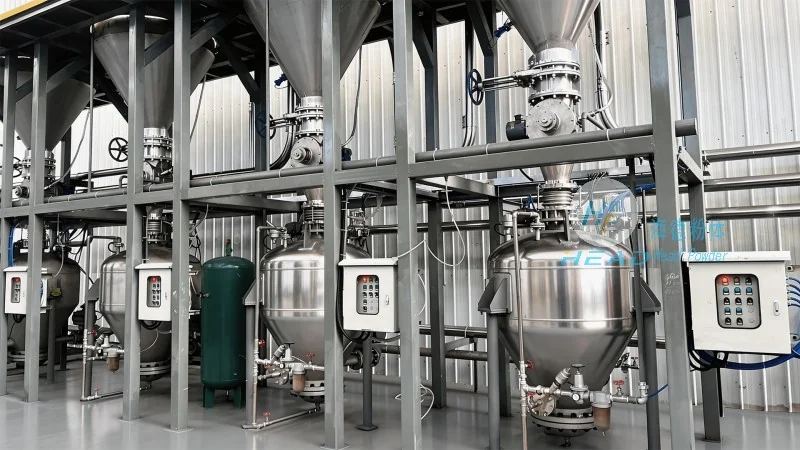
Introduction to Chromium Oxide and Pneumatic Conveying
Chromium oxide, a compound commonly used in various industrial applications such as pigments, ceramics, and chemical processes, requires specialized handling due to its properties. Pneumatic conveying systems offer an effective solution for transporting powders and bulk materials over short to medium distances, providing advantages like dust-free operation, reduced material degradation, and improved safety compared to traditional methods like belt conveyors or bucket elevators. The system designed by headpowder for chromium oxide applications is engineered to meet stringent industry standards, ensuring optimal performance and durability.
Key Components of the Pneumatic Conveying System
The chromium oxide pneumatic conveying system developed by headpowder consists of several critical components that work in tandem to facilitate material transport. These include:
1. Feed Hopper and Metering Device: The system begins with a feed hopper that stores the chromium oxide material. A metering device, such as a rotary valve or a screw feeder, controls the flow rate of the material into the conveying line, ensuring consistent and controlled feeding.
2. Air Supply System: A high-pressure air compressor or a vacuum pump generates the necessary airflow to move the material through the system. The air supply is regulated to maintain optimal pressure and flow rates, preventing material clogging and ensuring smooth operation.
3. Pneumatic Conveying Line: The material is transported through a network of pipes or ducts. The design of the line, including the pipe diameter, length, and bends, is crucial for minimizing pressure drop and ensuring efficient material movement. The system may include straight sections, elbows, and other fittings to direct the material to the desired destination.
4. Separation and Collection Unit: At the receiving end, a separation unit, such as a cyclone or a bag filter, separates the material from the air stream. This unit ensures that the chromium oxide is collected in a clean and dust-free manner, while the air is either filtered or recycled back into the system.
Working Principle of the System
The operation of the chromium oxide pneumatic conveying system follows a systematic process, which can be broken down into several stages:
1. Material Preparation: The chromium oxide is stored in the feed hopper. The metering device regulates the flow rate, ensuring a steady supply of material into the conveying line.

2. Air Injection: The air supply system injects high-pressure air into the conveying line. The air and material are mixed, creating a slurry-like mixture that moves through the pipes.
3. Transportation: The mixture travels through the pneumatic line, with the air providing the necessary force to move the material. The system's design minimizes friction and pressure loss, allowing the material to be transported efficiently over the required distance.
4. Separation and Collection: At the receiving end, the separation unit separates the material from the air. The material is collected in a designated container, while the air is either filtered to remove any residual dust or recycled back into the system for reuse.
Operational Steps and Process Flow
The operational process of the chromium oxide pneumatic conveying system involves a series of steps that ensure smooth and continuous material transport. The process begins with the start-up sequence:
1. System Initialization: The air compressor is started, and the pressure is adjusted to the required level. The feed hopper is filled with chromium oxide, and the metering device is set to the desired flow rate.
2. Material Feeding: The rotary valve or screw feeder begins to discharge the material into the conveying line. The air is injected, and the mixture is formed.
3. Conveying: The mixture travels through the pipes to the receiving point. The system monitors pressure and flow rates to ensure optimal performance.
4. Collection: The material is collected in the receiving container. The air is separated and either filtered or recycled.

5. System Shutdown: The system is shut down in an orderly manner. The air compressor is turned off, and the feed hopper is emptied or prepared for the next batch.
Advantages of the Chromium Oxide Pneumatic Conveying System
The chromium oxide pneumatic conveying system developed by headpowder offers several advantages over traditional material handling methods. These include:
1. Dust-Free Operation: The enclosed system prevents dust from escaping, improving workplace safety and reducing environmental contamination.
2. Reduced Material Degradation: The gentle handling of the material through the system minimizes breakage and degradation, preserving the quality of the chromium oxide.
3. Efficient and Compact Design: The system is designed to be compact and space-efficient, making it suitable for various industrial settings, including those with limited floor space.
4. Easy Integration: The system can be easily integrated with existing production lines, allowing for seamless material flow and process optimization.
Maintenance and Safety Considerations
To ensure the long-term reliability and performance of the chromium oxide pneumatic conveying system, regular maintenance and adherence to safety protocols are essential. Headpowder provides comprehensive maintenance services and guidelines to help users keep the system in optimal condition. Key maintenance tasks include checking air compressor performance, inspecting the conveying line for blockages or wear, and cleaning the separation unit regularly. Safety considerations include ensuring proper ventilation, using appropriate personal protective equipment (PPE), and following all safety regulations to prevent accidents and injuries.
Conclusion
Shandong HeadPowder Engineering Co., Ltd. has developed a highly efficient and reliable chromium oxide pneumatic conveying system that addresses the unique challenges of handling this material. By understanding the working principle and operational process of the system, users can optimize their material transport processes, improve productivity, and ensure compliance with industry standards. With its focus on quality and customer satisfaction, headpowder continues to be a leading provider of advanced material handling solutions in the industry.