

Operation Process and Working Principle of Continuous Quantitative Pneumatic Conveying Equipment
Continuous quantitative pneumatic conveying equipment is a critical component in modern material handling systems, designed to transport bulk materials efficiently and reliably over long distances. This equipment plays a vital role in various industries, including food processing, pharmaceuticals, and chemical manufacturing, where precise and consistent material flow is essential for operational efficiency and product quality.

Overview of Continuous Quantitative Pneumatic Conveying Systems
At the core of continuous quantitative pneumatic conveying is the ability to transport materials in a continuous stream while maintaining precise control over the quantity of material being conveyed. This is achieved through a combination of air flow management, material feeding mechanisms, and pressure regulation systems. The system typically consists of a hopper for material storage, a conveyor line, and a receiver for the delivered material. The design ensures that the material is conveyed in a controlled manner, minimizing product degradation and ensuring consistent delivery rates.
Key Components and Their Functions
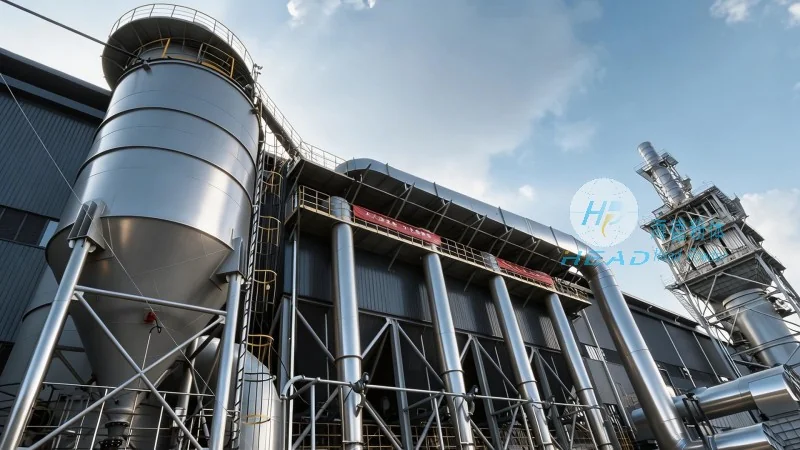
The continuous quantitative pneumatic conveying system comprises several key components, each playing a crucial role in the overall operation. The hopper serves as the primary storage vessel, holding the bulk material and providing a consistent feed to the conveyor. The feeder, often a rotary valve or a screw feeder, regulates the material flow into the conveyor line, ensuring a steady and controlled input. The conveyor line itself is the main transport path, where compressed air is introduced to create a flow of material. The air flow is managed by a blower or a fan, which generates the necessary pressure and velocity to move the material. The receiver, typically a storage tank or a processing unit, collects the conveyed material at the destination.
Operation Process: Step-by-Step
The operation of a continuous quantitative pneumatic conveying system involves several sequential steps that ensure smooth and efficient material transport. The process begins with the loading of the hopper with the bulk material. The feeder then starts, regulating the material flow into the conveyor line. Simultaneously, the blower activates, providing the compressed air needed to create the pneumatic flow. As the material enters the conveyor line, it is carried by the air stream, moving towards the receiver. The system continuously monitors the flow rate and adjusts the air pressure or feeder speed as needed to maintain the desired quantity of material being conveyed. This closed-loop control ensures that the delivery rate remains consistent, even with variations in material characteristics or system conditions.
Working Principle: How It Works
The working principle of continuous quantitative pneumatic conveying is based on the fundamental physics of fluid dynamics and material transport. The system utilizes compressed air to create a flow that entrains the bulk material particles, allowing them to be transported through the conveyor line. The key to quantitative control lies in the precise regulation of air flow and material feed. The blower maintains a consistent air pressure, while the feeder adjusts the material input rate. By balancing these two variables, the system ensures that the material is conveyed at a specific rate, which is critical for applications requiring exact material quantities. The air flow also helps to prevent material degradation by minimizing friction and exposure to air, especially important for sensitive materials like food or pharmaceuticals.
Applications and Benefits
Continuous quantitative pneumatic conveying equipment is widely used in industries where precise material handling is essential. In the food industry, it is used to transport ingredients like flour, sugar, and spices with minimal contamination and consistent quality. In pharmaceutical manufacturing, it ensures that active ingredients are conveyed accurately, maintaining compliance with regulatory standards. The benefits of this technology include increased operational efficiency, reduced labor costs, and improved product quality. The continuous operation also minimizes downtime and ensures a steady supply of materials to downstream processes.

About Shandong HeadPowder Engineering Co., Ltd.
Shandong HeadPowder Engineering Co., Ltd., commonly known as headpowder, is a leading manufacturer of pneumatic conveying systems and related equipment. With a strong focus on innovation and quality, the company has established itself as a trusted partner in the material handling industry. Headpowder specializes in designing and manufacturing customized solutions that meet the specific needs of clients, ensuring optimal performance and reliability. The company's products are known for their durability, efficiency, and compliance with international standards. Headpowder's commitment to customer satisfaction and technological advancement has made it a preferred choice for businesses seeking reliable and high-performance pneumatic conveying equipment.
Conclusion
Continuous quantitative pneumatic conveying equipment is a sophisticated and essential technology in modern material handling. By understanding its operation process and working principles, industries can leverage this technology to improve efficiency, reduce costs, and enhance product quality. With the expertise of companies like Shandong HeadPowder Engineering Co., Ltd., businesses can access reliable and customized solutions that meet their specific requirements, ensuring smooth and efficient material transport in their operations.