

Operation Process and Working Principle of Plastic Powder Pneumatic Conveying Lines
Plastic powder pneumatic conveying lines are essential systems in industrial applications, designed to transport plastic powders efficiently and safely. These systems are widely used in various industries, including plastics manufacturing, chemical processing, and food processing, due to their ability to handle fine powders with minimal product degradation. The operation of such lines involves a combination of air flow, pressure, and specialized equipment to ensure reliable material transport. Understanding the operation process and working principles is crucial for optimizing performance and maintaining product quality.

Key Components of Plastic Powder Pneumatic Conveying Systems
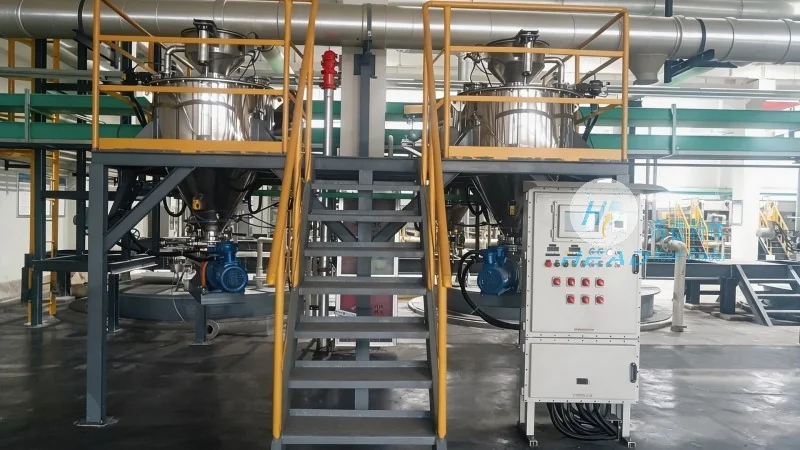
The core components of a plastic powder pneumatic conveying line typically include a hopper for material storage, a blower or compressor to generate air pressure, a pipeline network for material transport, and a receiver or discharge unit for material collection. Each component plays a vital role in the overall system performance. The hopper ensures a consistent feed of plastic powder, preventing material bridging or clogging. The blower or compressor provides the necessary air pressure to move the powder through the pipeline. The pipeline network, often made of stainless steel or other corrosion-resistant materials, is designed to withstand the abrasive nature of plastic powders and maintain air-tight integrity. The receiver or discharge unit collects the transported powder and may include features like a filter to remove air particles and a valve to control discharge.
Operation Process of Plastic Powder Pneumatic Conveying Lines
The operation process of plastic powder pneumatic conveying lines begins with the loading of plastic powder into the hopper. The powder is then fed into the pipeline system as air is introduced by the blower or compressor. The air flow creates a pressure differential that propels the powder particles through the pipeline. The conveying process can be categorized into different modes, such as dilute phase and dense phase, depending on the air-to-powder ratio and system design. In dilute phase conveying, the powder is suspended in the air stream and transported at higher velocities, while in dense phase conveying, the powder is moved in a more compacted state with lower air velocities. The choice of conveying mode depends on factors like material characteristics, distance, and system requirements. Throughout the operation, the system monitors air pressure, flow rate, and material level to ensure optimal performance and prevent issues like blockages or pressure drops.
Working Principle of Plastic Powder Pneumatic Conveying Lines
The working principle of plastic powder pneumatic conveying lines is based on the fundamental concept of fluidization and pneumatic transport. When air is introduced into the hopper, it creates a fluidized bed of plastic powder, allowing the material to flow freely. The blower or compressor then generates sufficient air pressure to lift and transport the powder particles through the pipeline. The key to efficient conveying is maintaining a stable air flow and pressure, which ensures that the powder particles remain suspended and move without settling or clogging. The pipeline design, including bends and fittings, is optimized to minimize pressure losses and maintain consistent air velocity. Additionally, the system may incorporate features like pulse jets or airlocks to control the flow of powder and prevent backflow. The receiver or discharge unit at the end of the pipeline collects the transported powder and may include a filter to remove any air particles, ensuring that the final product is clean and free from contaminants.
Benefits and Applications of Plastic Powder Pneumatic Conveying Lines
Plastic powder pneumatic conveying lines offer several benefits in industrial applications. These systems provide a dust-free and hygienic method of transporting plastic powders, which is particularly important in food and pharmaceutical industries where product purity is critical. The enclosed pipeline design prevents dust emissions and contamination, improving workplace safety and compliance with environmental regulations. Additionally, pneumatic conveying systems are capable of transporting plastic powders over long distances with minimal energy consumption compared to other methods like bulk handling or manual transport. The flexibility of these systems allows for easy integration into existing production lines and can be adapted to various material types and processing requirements. Applications of plastic powder pneumatic conveying lines include the transport of raw plastic powders from storage to processing equipment, the transfer of finished products from production lines to packaging units, and the handling of additives or colorants in plastic manufacturing. The systems are also suitable for handling abrasive or corrosive plastic powders, as the pipeline materials and design can be customized to withstand such conditions.

Maintenance and Optimization of Plastic Powder Pneumatic Conveying Lines
Proper maintenance is essential to ensure the reliable and efficient operation of plastic powder pneumatic conveying lines. Regular inspection and cleaning of the hopper, pipeline, and receiver are necessary to prevent material buildup and clogging. The blower or compressor should be checked for proper air pressure and flow rate, as any deviations can affect conveying performance. Filters and airlocks should be replaced or cleaned as needed to maintain air quality and prevent backflow. The system may also include sensors and monitoring devices to detect pressure drops or abnormal flow patterns, allowing for timely maintenance and troubleshooting. Optimization of the conveying process involves adjusting air flow rates, pressure levels, and conveying modes to achieve the best balance between efficiency and energy consumption. By regularly monitoring and maintaining the system, users can extend the lifespan of the equipment and ensure consistent product quality. Additionally, training operators on proper system operation and maintenance can help prevent common issues and improve overall system performance.
Conclusion
Plastic powder pneumatic conveying lines are sophisticated systems that play a critical role in the efficient and safe transport of plastic powders in various industrial applications. Understanding the operation process and working principles is essential for optimizing system performance, maintaining product quality, and ensuring long-term reliability. With proper design, installation, and maintenance, these systems can provide reliable and cost-effective solutions for material handling needs. As industrial demands continue to evolve, advancements in pneumatic conveying technology will further enhance the capabilities and efficiency of plastic powder transport systems, supporting the growth and sustainability of the plastics manufacturing industry.