

Operation Process and Working Principle of Asbestos Powder Pneumatic Conveying Lines
Asbestos powder pneumatic conveying lines are specialized systems designed to transport asbestos powder through a pipeline using air or gas as the conveying medium. These systems are crucial in industrial applications where the safe and efficient handling of asbestos powder is required. The operation of such lines involves a series of steps that ensure the material is moved from the source to the destination while maintaining control over dust, pressure, and flow. Understanding the operation process and working principle is essential for optimizing performance and ensuring compliance with safety regulations.
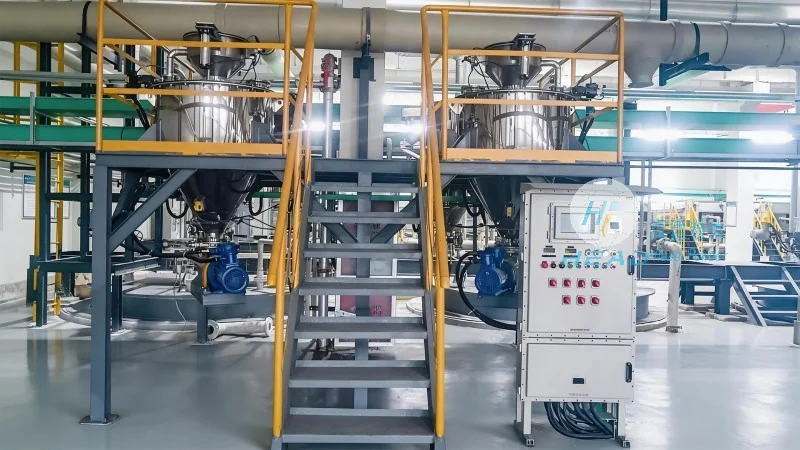
Key Components of the Pneumatic Conveying System
The headpowder system typically includes several key components that work together to facilitate the transport of asbestos powder. These components may include a hopper for material storage, a feeder to control the flow rate, a conveying line (often made of materials resistant to asbestos and corrosion), a pressure vessel or receiver to collect the material at the end of the line, and a blower or compressor to generate the air or gas pressure. Each component plays a vital role in the overall efficiency and safety of the conveying process. For instance, the hopper ensures a consistent supply of material, while the feeder regulates the amount of powder entering the line, preventing overloading or underloading that could affect the system's performance.

Operation Process of the Asbestos Powder Pneumatic Conveying Line
The operation of an asbestos powder pneumatic conveying line typically follows a systematic sequence of steps to ensure efficient and safe material transport. Initially, the hopper is filled with asbestos powder, which serves as the primary storage container. The feeder, often a rotary valve or screw feeder, regulates the flow of powder from the hopper into the conveying line. This controlled discharge is critical to maintaining a steady flow rate and preventing blockages or surges that could disrupt the system. Simultaneously, the blower or compressor starts operation, generating the required air pressure. In a positive pressure system, the blower supplies compressed air that enters the conveying line through a venturi or other injection device, creating a high-velocity air stream. The powder particles are then entrained by this air stream and carried through the pipeline to the receiving vessel or processing point. The receiving vessel, typically a pressure vessel or silo, collects the powder and may include a discharge valve to control the final release of material. Throughout the process, sensors and control panels monitor key parameters such as pressure, flow rate, and material level, allowing operators to adjust settings in real time. For example, if the pressure drops, the system can automatically increase the blower speed to maintain the desired flow. This closed-loop control ensures consistent performance and minimizes downtime.
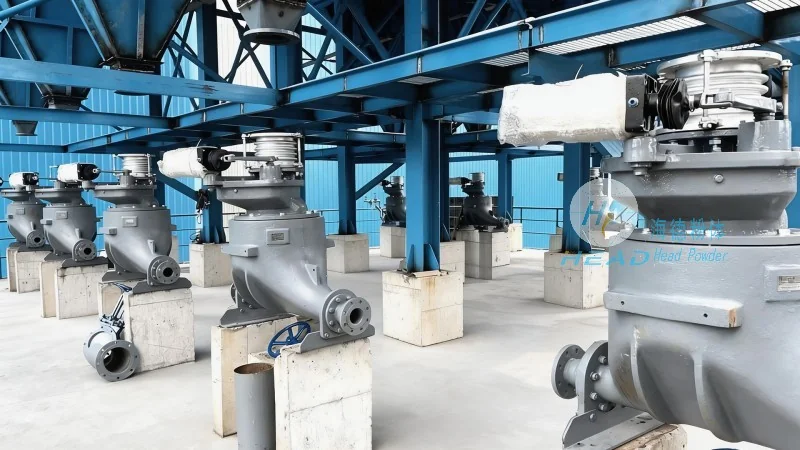
Working Principle of the Pneumatic Conveying System
The fundamental working principle of an asbestos powder pneumatic conveying line revolves around the interaction between the conveying medium (air or gas) and the solid particles (asbestos powder). In positive pressure systems, the blower generates a high-pressure air stream that is introduced into the conveying line at a specific point, usually near the feeder. The air velocity is designed to be sufficient to lift and suspend the powder particles, which are then carried along the pipeline. The key to efficient transport is maintaining an air velocity that is higher than the terminal velocity of the powder particles. The terminal velocity is the speed at which the particles fall due to gravity when suspended in the air stream. By keeping the air velocity above this threshold, the particles remain suspended and are transported without settling. In negative pressure systems, a vacuum pump creates a low-pressure environment in the conveying line, drawing the powder from the hopper into the line. The air flow in this case is directed from the receiving vessel back to the vacuum pump, creating a suction that pulls the powder through the pipeline. Both positive and negative pressure systems rely on the principle of fluid dynamics to move the material, with the choice of system depending on factors such as the distance between the source and destination, the amount of material to be transported, and the need to minimize dust emissions. Proper design of the system, including the size of the pipeline, the type of blower, and the control of air velocity, is essential to achieve optimal performance and ensure that the asbestos powder is transported safely and efficiently.
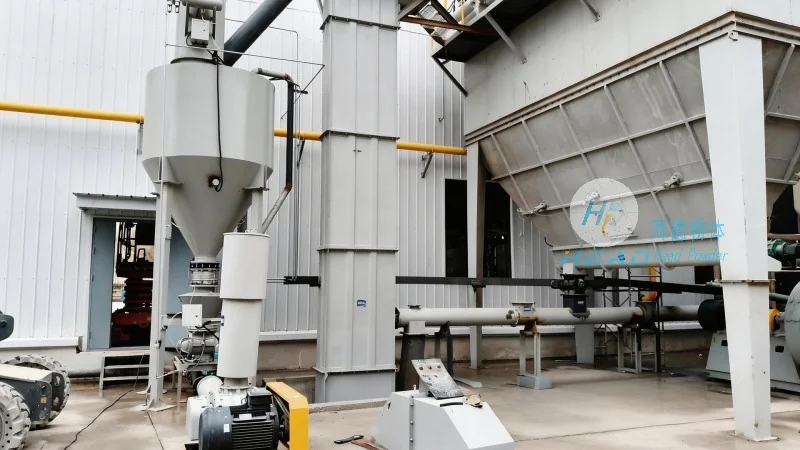
About Shandong HeadPowder Engineering Co., Ltd.
Shandong HeadPowder Engineering Co., Ltd., operating under the brand name headpowder, is a prominent engineering firm specializing in the design, manufacturing, and installation of industrial conveying systems. The company is based in Shandong, China, and has built a strong presence in the global market by providing high-quality solutions for material handling, particularly in the asbestos industry. With a team of experienced engineers and technicians, headpowder focuses on delivering customized pneumatic conveying lines that meet the unique requirements of each client. The company adheres to stringent quality standards and complies with international safety and environmental regulations, ensuring that its products are reliable, durable, and safe for use. Headpowder's commitment to innovation is evident in its use of advanced technologies, such as automated control systems and materials resistant to asbestos and corrosion, to enhance the performance and longevity of its conveying lines. The company also provides comprehensive after-sales support, including maintenance, repair, and technical assistance, to ensure that clients can maximize the operational efficiency of their systems. Through its dedication to customer satisfaction and product excellence, headpowder has become a trusted partner for businesses seeking efficient and safe solutions for asbestos powder handling.