

Operation Process and Working Principle of Fly Ash Particle Pneumatic Conveying Lines
For industrial applications involving the transport of fly ash particles, the design and operation of pneumatic conveying systems are critical to ensuring efficiency, reliability, and safety. This article provides a detailed overview of the operation process and working principles of fly ash particle pneumatic conveying lines, highlighting key components, operational mechanisms, and practical considerations for effective system implementation. As a leading provider in the field, Shandong HeadPowder Engineering Co., Ltd. specializes in the design, manufacturing, and installation of advanced pneumatic conveying systems tailored to meet the specific needs of industrial clients.

Key Components of Pneumatic Conveying Systems
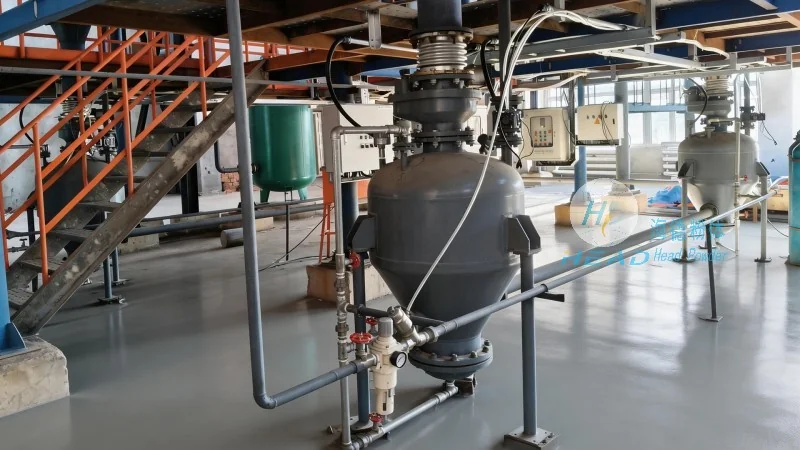
The effectiveness of a fly ash particle pneumatic conveying line is largely determined by its integrated components, each playing a specific role in the material transport process. The primary components include the hopper, which serves as the storage and feeding unit for the fly ash; the conveyor itself, which can be either positive or negative pressure based on the system design; and the control valves and regulators that manage air flow and pressure. Additionally, filters and dust collection systems are essential for maintaining air quality and preventing environmental contamination, which is particularly important when handling fly ash, a byproduct of coal combustion. The choice of materials for these components is critical, as they must withstand the abrasive nature of fly ash particles and resist corrosion from moisture or other chemicals.
Working Principle of Pneumatic Conveying
The fundamental working principle of a fly ash particle pneumatic conveying line involves the use of air to transport solid particles through a pipeline. In a positive pressure system, air is forced into the conveying line, creating a pressure higher than the ambient air, which propels the fly ash particles forward. Conversely, in a negative pressure system, air is drawn out of the line, creating a vacuum that pulls the particles along. The choice between positive and negative pressure depends on factors such as the distance of transport, the quantity of material, and the specific characteristics of the fly ash, including particle size (typically ranging from 1 to 100 microns) and moisture content (often less than 1%). The system typically operates by feeding the fly ash from the hopper into the conveying line, where it is entrained by the moving air and transported to the destination point, such as a storage silo or processing facility. The air-to-solid ratio is a key parameter that affects the system's performance, with higher ratios generally leading to more efficient transport but also higher energy consumption.
Operation Process: Step-by-Step Overview
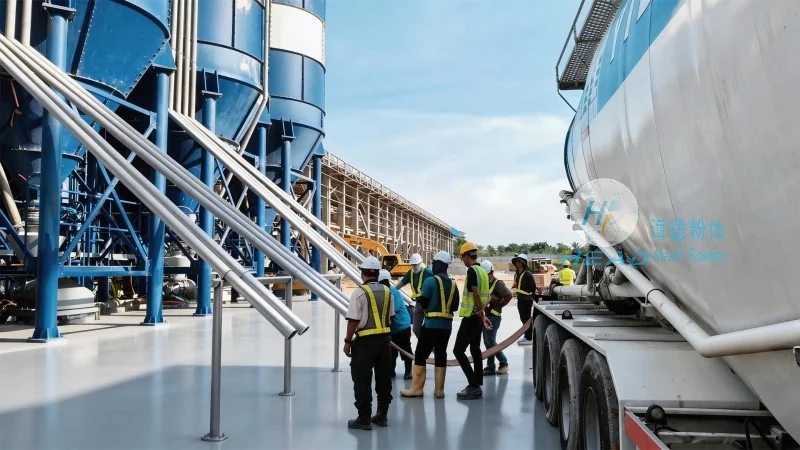
The operation process of a fly ash particle pneumatic conveying line can be broken down into several key steps, each ensuring the smooth and efficient movement of material. The first step involves the loading of fly ash into the hopper, where the material is stored and prepared for transport. A feeder mechanism, such as a rotary valve or screw conveyor, then regulates the flow of fly ash from the hopper into the conveying line. Simultaneously, the air compressor or blower generates the necessary air pressure or vacuum, which is introduced into the system. The air then mixes with the fly ash particles, creating a slurry-like mixture that is propelled through the pipeline. At the receiving end, the system may include a separator or cyclone to separate the fly ash from the air, allowing the material to be deposited into the target container. The control system monitors and adjusts the air flow and pressure in real-time, ensuring optimal performance and preventing issues such as blockages or excessive pressure drops. For example, if a blockage occurs, the system may automatically reduce the air flow or increase the pressure to clear the obstruction, minimizing downtime and maintaining continuous operation.
Advantages of Pneumatic Conveying for Fly Ash Transport
Compared to traditional mechanical conveying methods, such as belt conveyors or bucket elevators, pneumatic conveying offers several advantages when transporting fly ash particles. One of the most significant benefits is the ability to handle materials with a wide range of particle sizes and moisture content, which is common in fly ash. The system is also flexible in terms of layout, as it can be installed in various configurations, including horizontal, vertical, or combination of both, to accommodate different site conditions. Additionally, pneumatic conveying systems are generally more compact and require less space, making them suitable for installations with limited floor area. The process is also relatively low maintenance, as there are fewer moving parts compared to mechanical systems, reducing the risk of breakdowns and downtime. Furthermore, the enclosed nature of the system helps to minimize dust emissions, improving workplace safety and environmental compliance. This is particularly important for fly ash, which can be a source of air pollution if not handled properly. By using a well-designed pneumatic conveying system, industries can reduce their environmental impact while improving operational efficiency.

Practical Considerations and Best Practices
When implementing a fly ash particle pneumatic conveying line, several practical considerations must be taken into account to ensure optimal performance and longevity of the system. First, the selection of the appropriate conveying method (positive or negative pressure) is crucial, as it directly impacts the system's efficiency and energy consumption. The design of the hopper and feeder must be optimized to prevent material bridging or segregation, which can lead to uneven flow and blockages. The pipeline layout should be carefully planned to minimize pressure losses and avoid sharp bends or restrictions that could cause the system to fail. Regular maintenance, including cleaning of filters and checking for air leaks, is essential to maintain system efficiency and prevent downtime. Additionally, the use of high-quality materials for the pipeline and components is important to withstand the abrasive nature of fly ash particles and ensure long-term durability. For instance, stainless steel or special alloys may be used for the pipeline to resist corrosion from moisture or acidic components in the fly ash. By following these best practices, operators can maximize the performance and reliability of their fly ash particle pneumatic conveying systems, ensuring consistent and efficient material transport.